



The phrase anti-inflammatory diet is attached to sensible eating patterns, strict elimination plans, and single superfood claims alike. All three promise the same outcome. None of them agrees on what the eating actually involves.
The interest behind it is not misplaced. Conditions involving chronic inflammation account for more than half of all deaths worldwide. Heart disease, stroke, cancer, diabetes, kidney disease and several autoimmune conditions all sit on that list. Long-term, low-grade inflammation is now recognised as a shared feature running underneath many of them.
Diet is one influence on that state. So do infection, physical inactivity, psychological stress and exposure to environmental pollutants. Yet diet is treated as a dominant modifiable risk factor. It is also the one people can act on this week. It is also, by some distance, the one most heavily marketed.
For many readers, this is not an abstract debate. People living with rheumatoid arthritis frequently report that particular foods change their symptoms. Many ask their doctors what they should eat. The honest answer has been unsatisfying. Despite earlier research suggesting benefit, the evidence has remained too thin to support specific dietary advice.
Meanwhile, the information around them has grown louder. Roughly 60% of people say they are increasingly worried about the long-term health risks of what they eat. A useful distinction is that misinformation is false information shared by people who believe it. Disinformation is spread deliberately to mislead.
A harder question sits underneath every food list. What would it actually mean for an eating pattern to work?
Lowering a substance measured in a blood sample is one kind of achievement. Feeling different is another. Never developing the disease is a third, and by far the hardest to demonstrate. These are routinely reported as though they were the same result.
Nutrition research has been moving away from studying isolated nutrients towards studying whole patterns of eating. The reasoning is straightforward. People eat meals rather than compounds, and those compounds interact. On that reading, an anti-inflammatory diet is better understood as a family of eating patterns than as one tested protocol.
Four things get routinely mixed together in this subject. The loose public label and the named patterns that researchers actually test. A shift in a laboratory measurement and a shift in a life. Association and proof. General advice and advice for a specific diagnosis. Held apart, the research turns out to be far more useful, and considerably more honest, than any list of foods.

What Does Inflammation Mean
Inflammation has a reputation problem. The word now arrives attached to fatigue, weight gain, stubborn body fat and long-term disease. Its actual job is repair.
It is an ancient biological process, conserved across evolution because it works. Immune and non-immune cells activate to deal with bacteria, viruses, toxins and injury. They clear the threat, then they help the tissue heal.
That response is expensive, so the body reorganises itself to fund it. Metabolic and hormonal changes conserve energy and redirect nutrients towards the activated immune system.
The result is a set of experiences anyone would recognise from a bad week of illness. Low mood, loss of pleasure, fatigue, reduced appetite, disturbed sleep and a strong wish to be left alone. Blood pressure rises, insulin works less well, and blood fats shift. Those changes feel like malfunction. At the point of injury or infection, they are closer to survival equipment.
A healthy inflammatory response has one defining feature. It is time-limited. Activity rises while the threat is present, then settles once the threat has gone. Shutting it down is not passive either. Specific molecules actively drive the process to a close.
When that shutdown fails, something different takes its place. What follows is low-grade and persistent, with no infection driving it. It also recruits immune components that differ from those used in a short-term response.
Chronic inflammation is therefore not a stronger version of the acute kind. It is quieter, it lasts, and over years it causes collateral damage to tissues and organs. It also tends to rise with age, a pattern researchers call inflammageing.
There is a further twist that sits awkwardly with the popular picture. Persistent inflammation can weaken immune defence rather than sharpen it. Constant low-level activation blunts the response to a genuinely new threat. Higher levels predict a poorer response to hepatitis B vaccination. Higher C-reactive protein also tracks with weaker responses to the shingles vaccine.
All of which raises an uncomfortable practical question. How would anyone know whether a particular person is carrying harmful chronic inflammation?
There is no standard test for it. Researchers and clinicians instead borrow the markers developed for acute inflammation and use them as a stand-in. Those markers do predict illness and death across large populations, which is why the substitution has stuck. The same handful of names appears throughout research on food and inflammation. Every claim made for an anti-inflammatory diet eventually rests on them, so they are worth knowing.
| INFLAMMATION MARKER | WHAT IT ACTUALLY MEASURES |
|---|---|
| C-reactive protein (CRP) | A protein that rises in the blood during inflammation. Levels of 10 mg/L and above predict cardiovascular events and death over an eight year period. The high sensitivity version, written as hs-CRP, detects far smaller amounts |
| Interleukin-6 (IL-6) | A signalling protein that triggers the body to produce C-reactive protein. It also acts in an anti-inflammatory way when released by exercising muscle, so the same reading can mean opposite things in different people |
| Tumour necrosis factor alpha (TNF-alpha) | A signalling protein released by activated immune cells and by fat tissue, where it drives insulin resistance. Drugs that block it are used to treat inflammatory disease |
| Erythrocyte sedimentation rate (ESR) | An older blood test used alongside C-reactive protein to judge how active an inflammatory condition currently is, particularly in inflammatory arthritis |
| Adiponectin | A signal released by fat tissue that works against inflammation and reduces insulin resistance. Production falls sharply in people with obesity, so a lower reading points towards more inflammation rather than less |
Three problems sit behind that tidy list:
- First, the markers do not behave as a single signal. When researchers took 18 different measures from healthy volunteers of varying ages, some rose with age, and others did not. A food or a diet can lower one, leave another untouched, and raise a third. The same food can therefore appear in the same study as both anti-inflammatory and pro-inflammatory.
- Second, the same molecule can mean opposite things. Interleukin-6 is released by exercising muscle, where it prompts anti-inflammatory activity and reduces production of other inflammatory signals. A high reading in a fit young person and in a frail older adult describe entirely different situations. Concentration alone carries almost no information without age, disease status and activity levels attached.
- Third, nobody has agreed on what size of change matters. No consensus exists on a clinically meaningful reduction in any inflammatory marker. Working thresholds exist, such as 0.5 mg/L for C-reactive protein. They are conventions rather than settled facts.
There is also the problem of everything else. Age, body fat, sex, genetics, gut bacteria, smoking, inactivity, medication, stress and pollution all move these markers. A study has to account for all of it before crediting any change to an anti-inflammatory diet. Even the starting point matters. Dietary effects on inflammation appear more prominent in people whose baseline inflammation is already high.
What is better established is the direction of the risk. Each 1 mg/L rise in C-reactive protein corresponds to an 8% increase in the risk of a repeat cardiovascular event.
What Is an Anti-Inflammatory Diet
No official plan sits behind the name. No governing definition, no agreed food list, and no single protocol that researchers test. The term is not even used consistently in the research literature. It also appears there as a hypoallergenic diet, an elimination diet and an oligoantigenic diet. Each refers to a plan built around removing suspected trigger foods.
That is a strange situation for such a popular phrase. It means the same label sits on approaches built around adding foods and approaches built around taking them away.
There is, however, a recognisable core to the better-studied versions. They tend to favour unrefined, minimally processed foods, fibre, unsaturated fats, lean protein, and spices. They also reduce red meat, high-fat dairy, and saturated and trans fats.
Look at the patterns with the strongest reputations, and the overlap becomes obvious. The:
- Mediterranean
- Vegetarian
- Vegan
- DASH
- Nordic
- Portfolio
These patterns are all predominantly plant-centred. All are high in fruit, vegetables, whole grains, legumes, nuts and seeds. All are rich in fibre, antioxidants and unsaturated fats. Most, apart from vegan and some vegetarian versions, include fish, poultry and lower-fat dairy in some quantity.
Their opposite is equally recognisable. The Western pattern is high in animal-based and processed foods, saturated fat, added sugar, sodium and refined grains. It is low in fibre-rich foods.
So far, so coherent. The trouble begins when specific plans are compared against each other rather than against the Western diet.
The contradictions are not accidental. They happen because at least four genuinely different kinds of things are wearing the same label.
Named dietary patterns
These are defined in advance, described in the literature and tested as whole diets. The Mediterranean pattern, for instance, is built on plant foods with olive oil as the main fat. It includes moderate fish and poultry, limited red meat, and modest amounts of wine with meals. The DASH, Nordic, Portfolio, vegetarian and vegan patterns are defined similarly. These are the versions with something approaching a research base.
Scoring systems
A second approach abandons permitted and forbidden lists entirely. Instead, it places whole diets on a continuum, scoring any eating pattern from strongly anti-inflammatory to strongly pro-inflammatory. Forty-five food parameters feed into the score, including whole foods and compounds such as flavonoids, spices and tea. Each is classified by its measured effect on six inflammatory markers rather than by opinion. Applied across a global food database, the most pro-inflammatory possible diet scored +7.98. The most anti-inflammatory scored -8.87. The median diet scored +0.23, fractionally on the inflammatory side.
Elimination and exclusion plans
A third group is built on a different premise altogether. The reasoning is that a specific food antigen contributes to causing the disease, so removing it should relieve symptoms. Foods are withdrawn and then reintroduced one at a time to identify culprits. This is a diagnostic procedure rather than a nutritional philosophy. It targets a named condition rather than general health.
Branded and manufactured regimes
The fourth group is the most restrictive and the least food-like. An exclusion diet for Crohn’s disease bans red meat while making 150g to 200g of chicken compulsory every day. The specific carbohydrate diet removes all grains. The low-FODMAP diet restricts particular fermentable carbohydrates. At the far end sits the elemental diet, which is not really food at all. It consists of industrially prepared sachets of amino acids, glucose, fats, vitamins, and minerals.
These four categories answer different questions, carry different levels of evidence and suit different people. Collapsing them into one shopping list is where most public confusion about an anti-inflammatory diet originates.
The looseness runs deeper still. In some systematic reviews, a diet qualified as Mediterranean if it included at least two of nine components. Researchers have since argued that studies not following the traditional pattern should say Mediterranean-style instead. That way the original keeps its meaning. Even the landmark trials differ markedly in what they actually fed people.
One consequence deserves stating plainly. A diet can acquire an anti-inflammatory description from its results rather than from its contents. An intensive weight-loss programme built on meal-replacement shakes was described that way after the fact. Its defining feature was the size of its energy deficit rather than the character of its food. Whether that counts as an anti-inflammatory diet depends entirely on what the phrase is being used to mean.
How Can an Anti-Inflammatory Diet Affect Inflammation
Mechanisms are the most seductive part of nutrition science. They sound like proof, and they are not. What they offer is plausibility, which is a lower bar and a more useful one to understand honestly.
The best-described route runs through the gut, and it is worth following the whole way rather than summarising it.
Human enzymes cannot digest dietary fibre or resistant starch. Resistant starch is the form found in cooked and cooled potatoes and rice. Gut bacteria can. Fermenting it produces short-chain fatty acids, mainly acetate, propionate and butyrate. These supply roughly 60% to 70% of the energy used by the cells lining the colon.
Butyrate is the least abundant of the three, at around 15%, compared with 60% acetate and 25% propionate. It is also the most biologically active. It works through two routes. One is binding receptors on host cells. The other is inhibiting enzymes that control how tightly DNA is packaged, which determines which genes switch on.
The downstream effects are wide. Butyrate reduces production of several inflammatory signalling proteins while increasing anti-inflammatory ones. It does this largely by blocking a master switch called NF-kappa-B, which governs inflammatory genes. Separately, it strengthens the gut wall. It thickens the protective mucus layer, tightens the junctions between cells and stimulates antimicrobial peptides.
This is a genuinely impressive chain. It is also where most articles stop.
Butyrate improves gut barrier function at concentrations of 2 mM or below. At 5 mM to 8 mM, it can damage that same barrier by triggering cell death. Low concentrations encourage cells to multiply, while high concentrations push them towards self-destruction. More is not better, and dose is difficult to translate from a laboratory dish to a dinner plate.
The same compounds carry a second complication. Short-chain fatty acids are also fuel, contributing around 10% of daily energy needs. Levels are higher in people with obesity than in lean people. In mice, butyrate has both relieved diet-induced obesity and, when given to mothers, produced insulin resistance in their offspring. The picture remains unresolved.
Then comes the test that matters. When people ate a high-fibre diet, circulating acetate and propionate rose significantly compared with a low-fibre group. Their blood inflammatory markers did not change. The trial ran five days, which may simply have been too short. Even so, it reminds us that raising a helpful compound does not automatically produce a measurable effect.
Other routes are proposed alongside it, each plausible and each incomplete.
Long-chain omega-3 fats, found in oily fish, work in two ways. They alter the activity of genes involved in inflammation. They also supply raw material for the molecules that actively shut inflammation down. A low omega-3 intake therefore affects the ability to end inflammation, not only the tendency to start it.
One of these fats also displaces arachidonic acid from cell membranes, reducing the supply of material converted into inflammatory messengers. In wealthy countries, most arachidonic acid comes from food rather than internal production. The median intake is roughly 210 mg to 250 mg daily. Vegetarian diets contain less, and vegan diets contain virtually none.
Body fat behaves as an active organ rather than as storage. As fat cells enlarge, areas of low oxygen and cell death appear. The tissue then begins releasing inflammatory signals while immune cells move in. Leptin, which rises with fat mass, both stimulates inflammation and is raised by it, creating a self-reinforcing loop. Adiponectin works in the opposite direction, suppressing inflammatory signals and reducing insulin resistance. Its production falls sharply in people with obesity.
Blood sugar contributes through two mechanisms. High-glycaemic foods increase oxidative stress, which switches on inflammatory genes. Persistently high blood glucose also drives the formation of advanced glycation end products. These damaged molecules trigger inflammatory signalling through their own receptor.
Salt acts more directly on immune cells than most people expect. It pushes immune cells towards an inflammatory state and increases a particularly inflammatory type of T-cell. At the same time, it reduces the regulatory cells that keep inflammation in check. High intakes also reduce Lactobacillus populations in the gut, which normally help control that same inflammatory cell type.
Polyphenols, the compounds giving plant foods much of their colour, act as antioxidants that inhibit inflammatory pathways. Most are poorly absorbed. Gut bacteria convert them in the large intestine into smaller active compounds. They are therefore better considered part of the fibre-rich foods that carry them, rather than isolated ingredients.
Underneath all of this sits an uncomfortable question about credit. In women with obesity, a low-energy diet by itself shifted markers towards reduced inflammation. Eating less can therefore change inflammation with no specific anti-inflammatory food involved. Yet the reverse has been shown too. In a crossover trial, participants stayed weight-stable and effects still appeared. Weight changed by only 0.4 kg and 0.3 kg across the two diet periods.
Weight loss therefore explains part of what an anti-inflammatory diet appears to do, but plainly not all of it. Researchers are careful here for good reason. The components involved are widely studied, yet the extent of their anti-inflammatory effects remains uncertain. The exact mechanisms are not fully worked out. Outcomes also vary depending on what else the diet contains and how long someone follows it.
One further structural limitation is worth noting. Controlled dietary trials are difficult to run in people. A large share of the mechanistic work behind any anti-inflammatory diet therefore comes from animals rather than humans.
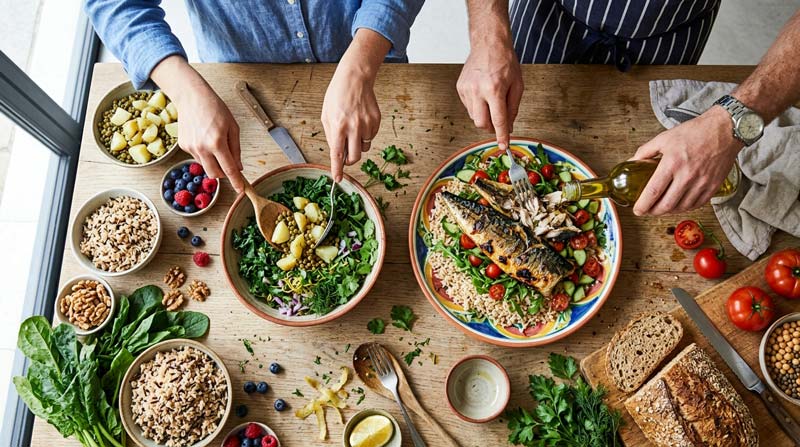
Which Dietary Patterns Have the Strongest Evidence
Thirty systematic reviews. Two hundred and twenty-five separate studies, of which 146 were randomised trials. Fifteen named eating patterns, assessed against inflammatory markers in studies published between 1986 and 2024. Sample sizes ran from 185 people to more than 18,000.
That is the scale of what has been gathered. Before reading any of it, three things decide how much the numbers are worth:
- The first is what a diet was compared against. Trials have measured the Mediterranean pattern against low-fat diets, habitual eating, and other healthy diets. Few reviews separated the results by comparator. The questions of what, and in what context, need answering consistently before any figure means much.
- The second is definition. Reviews often fail to describe the patterns they are assessing. The level of detail varies and is sometimes missing altogether. Two studies of the same named diet may not be studying the same diet.
- The third is measurement. What people eat is usually captured by questionnaires, 24-hour recalls or food diaries. All are affected by misreporting, and the bias varies with a person’s sex, weight and ability to estimate portions. Trials shorter than four weeks are considered inadequate for detecting changes in inflammatory markers.
With those caveats in place, the research base is genuinely uneven in another way. Attention has concentrated heavily on a few patterns. The Mediterranean pattern appears in 16 reviews. Vegetarian and low-glycaemic patterns appear in six each; vegan in four; and DASH and Nordic in three each. Portfolio, Palaeolithic, low-fat, low-FODMAP and Western patterns appear in one review apiece.
The comparison below sets out where each pattern currently stands. Certainty ratings describe how much confidence researchers place in the finding, not how large the effect is.
| EATING PATTERN | WHAT THE POOLED RESEARCH SHOWS | CONFIDENCE IN THE FINDING |
|---|---|---|
| Mediterranean | The most studied by a wide margin, appearing in 16 reviews. Five of eight pooled analyses of trials found C-reactive protein falling by 0.37 to 1.04 mg/L. Interleukin-6 fell in all three analyses measuring it. Adiponectin rose. No review reported harm | High to low, depending on the marker |
| Vegetarian | Evidence rests mainly on observation rather than trials. Half the pooled analyses found lower C-reactive protein and half did not. The single pooled analysis of randomised trials found no effect. Fibrinogen, a clotting protein, fell | Low to very low |
| Vegan | Thin and inconsistent. Two pooled analyses of observational studies disagreed with each other on C-reactive protein. Every other marker examined showed no effect or no association. No harm was reported | Low to very low |
| Low glycaemic index | Two of three pooled analyses of randomised trials found C-reactive protein falling by around 0.4 mg/L. Single analyses found improvements in both interleukin-6 and adiponectin | Moderate to low |
| DASH | Mixed. One pooled analysis found C-reactive protein falling by 0.74 mg/L. A second analysis, and a review of observational studies, found no relationship at all | Moderate |
| Nordic | No effect found on C-reactive protein, interleukin-6 or tumour necrosis factor alpha in pooled analyses of randomised trials. Less researched than the Mediterranean pattern it closely resembles | Moderate |
| Ketogenic | Findings on C-reactive protein were inconsistent across pooled analyses of randomised trials. Despite being named as an anti-inflammatory approach, no trials of it exist for pain in rheumatoid arthritis | Very low to moderate |
The Mediterranean pattern is clearly ahead, and the detail is worth having. Five of eight pooled analyses of trials found C-reactive protein falling by between 0.37 and 1.04 mg/L. Three pooled analyses found interleukin-6 falling by between 0.38 and 1.07 pg/mL. Adiponectin, the anti-inflammatory signal released by fat tissue, rose in two of three analyses. Across every review examined, no study reported this pattern worsening inflammation.
It does not move everything. Tumour necrosis factor alpha and E-selectin were each assessed in three pooled analyses of trials. Only one found a significant reduction, and at very low certainty. Interleukin-8 and interferon-gamma showed no significant reductions either. A pattern can lower some markers while leaving others untouched.
Vegetarian eating tells a different kind of story. Its evidence rests largely on observational studies rather than trials, and those disagree on C-reactive protein. The one pooled analysis of randomised trials found no effect. One analysis even reported interleukin-6 rising among vegetarians, at very low certainty. That association disappeared for people who had followed the pattern for more than two years.
Something important hides inside that vegetarian data. Where a benefit appeared, it appeared in a specific group. A significant reduction in C-reactive protein of 3.91 mg/L was found only in patients with impaired kidney function. Population averages can conceal effects that belong to one subgroup.
Now for the finding that complicates everything above it.
A network meta-analysis compared up to 11 eating patterns against 11 disease markers. It drew on 68 articles from 59 randomised trials in healthy adults. No dietary pattern significantly affected C-reactive protein or interleukin-6. Not one. The same analysis found significant effects on blood fats and insulin resistance, so the method could detect change.
Two explanations sit behind that result, and both matter:
- The first is who was studied. The Mediterranean pattern showed benefits in adults with at least one existing chronic condition. This analysis examined healthy people.
- The second is how thin the evidence actually is. Of the trials pooled, 56 supplied data on HDL cholesterol, the protective form. Only 28 supplied data on C-reactive protein, and just eight on interleukin-6.
Rankings can also flatter. The Palaeolithic pattern ranked highest of all for inflammation in that analysis, at 87.0%. Its effects on individual markers did not reach statistical significance. A high ranking built on non-significant differences is not the same as a demonstrated benefit.
The overall confidence picture is sobering. Across pooled analyses of eating patterns and inflammatory markers, certainty was rated moderate for 52%. It was low for 30% and very low for 15%. It reached high for 2%. Publication bias, at least, does not appear to be distorting the field. Most analyses that tested for it found no evidence of bias.
The ground becomes firmer with hard clinical outcomes. There, the evidence for one anti-inflammatory diet pattern stands apart. One trial followed people at raised cardiovascular risk. A Mediterranean diet supplemented with nuts or extra virgin olive oil reduced cardiovascular disease by roughly 35%. Type 2 diabetes fell by 52%, compared with a low-fat control diet. Trials measuring real disease rather than blood markers are rare in nutrition science.
Even that result carries a caveat its authors dispute. American cardiology guidelines include the Mediterranean pattern as an example of healthy eating. They still rate the overall strength of evidence as low. Two reasons were given. The pattern varies considerably between cultures, which makes precise estimates difficult. The major trial also supplied food to both active arms, which raises a question about what was tested. Its authors have strongly rejected that assertion.
None of this makes the Mediterranean pattern a poor bet. It remains the best-supported version of an anti-inflammatory diet available. The field it leads, though, still produces evidence graded moderate at best.
What Do Individual Foods Tell Us
Every food list rests on a mismatch. Research tests dietary components one at a time, while people eat meals in which those components interact. Examining nutrients in isolation often produces weaker relationships than examining foods or whole patterns.
Two further facts should shape how any such list is read. Nearly a third of all associations between food components and inflammatory markers in one major scoring system were null. The food changed nothing. The evidence supporting an individual food is also not necessarily human evidence. This literature includes cell culture and animal work alongside trials in people.
With that in mind, the popular claims are worth testing one by one.
Take sugar first, because it is the most confidently asserted. Across 64 controlled feeding trials in 4,094 adults, sugars considered as a single nutrient did almost nothing to inflammation. Adding them as excess energy produced a trivial reduction in C-reactive protein of 0.18 mg/L. Substituting them for other nutrients, removing them, or allowing free eating produced no effect at all. Tumour necrosis factor alpha and interleukin-6 did not change at any level of energy control.
The food carrying the sugar was another matter entirely. A sweetened soy drink lowered C-reactive protein by 0.96 mg/L. Fruit juice lowered it by 1.09 mg/L. Mixed sources containing sugar-sweetened drinks raised it by 0.64 mg/L. Whole fruit lowered C-reactive protein by 0.50 mg/L and tumour necrosis factor alpha by 0.89 pg/mL. Dark chocolate, at around 1% of total energy, lowered interleukin-6.
That difference has a plausible explanation. Fruit, orange juice, soy, and dark chocolate contain antioxidants, isoflavones, and flavonoids. They also tend to be higher in fibre and lower in glycaemic index. Sugar-sweetened drinks and added sweeteners carry little or none of that.
The honest complication is worth stating. In the trials where mixed sources raised C-reactive protein, the comparison arm restricted sugary drinks. It replaced them largely with starch, likely raising whole-grain and fibre intake. Some of the apparent harm may reflect what the other group ate instead.
Sugar-sweetened drinks assessed on their own showed no harmful effect on inflammatory markers at any level of energy control. Those trials may simply have involved healthy people with low starting inflammation. Earlier reviews did find harm from the same drinks when they were consumed as extra calories. That harm appeared in body fat, blood pressure, uric acid and fatty liver.
Dose matters as well as source. Threshold effects appeared at 5% and 10% of total energy. Lower doses showed greater reductions in tumour necrosis factor alpha. Dried fruit, which would be expected to behave like fresh fruit, showed no overall effect on inflammatory markers at all.
Dairy is the food most often cut on instinct, and the evidence for cutting it is remarkably weak. A review identified 19 randomised trials measuring inflammatory markers, and 18 reported either no impact or an anti-inflammatory effect. A pooled analysis of six trials found no difference in C-reactive protein between high-dairy and low-dairy diets. Full-fat and reduced-fat diets made no difference.
The form appears to matter more than the fat. Across 52 trials, fermented dairy foods lowered inflammatory markers while non-fermented dairy foods did not. Dairy showed stronger anti-inflammatory activity in people with metabolic disorders, including obesity. It showed a pro-inflammatory effect in people allergic to cow’s milk.
Two points of intellectual honesty belong here. The conclusion drawn from all of it was that evidence is insufficient to recommend dairy as anti-inflammatory. The same evidence does indicate that dairy does not raise markers of inflammation. Absence of harm is not the same as benefit. That body of evidence was also reviewed following a conference session sponsored by the National Dairy Council. Readers are entitled to weigh that.
Gluten and wheat produce the most interesting contradiction in this section. Around 25% of people with inflammatory bowel disease report gluten sensitivity. That self-reported sensitivity was strongly associated with having had a recent flare. It may therefore be temporary in some people rather than fixed. Around 8% used a gluten-free diet to control symptoms, and that was associated with improved fatigue.
By contrast, daily wholemeal bread was associated with substantially lower odds of both Crohn’s disease and ulcerative colitis. Wheat bran was well tolerated. The Mediterranean pattern, associated with reduced risk of Crohn’s disease, contains wheat throughout. Both directions are real, which is precisely why blanket advice fails.
Salt is worth examining because the case against it is built almost entirely on non-human work. Only one human study has reported on salt consumption and inflammatory bowel disease. It found sodium was not associated with the risk of either condition. In healthy volunteers, high salt intake did raise monocyte counts and several inflammatory signals while lowering an anti-inflammatory one. High salt worsens experimental colitis in animals. Yet countries with the highest salt intakes, including China, have lower rates of inflammatory bowel disease than Western countries.
Red and processed meat show the opposite pattern, with stronger observational evidence than trial evidence. The clearest trial randomised adults with Crohn’s disease in remission to more or less red meat for 20 weeks. Relapse occurred in 62% of the higher-meat group against 42.4% of the lower-meat group. That difference was not statistically significant. Adherence was lower in the low-meat group, and what replaced the meat was unclear.
Observational studies point more consistently. Red and processed meat showed the strongest association with ulcerative colitis relapse, at an odds ratio of 5.19. High animal protein intake was associated with a threefold increase in inflammatory bowel disease risk. That finding came from a study of French middle-aged women. Meat or fish carried the association, rather than eggs or dairy. Population data have also linked high consumption of animal-derived nutrients to the occurrence of rheumatoid arthritis.
Olive oil is one of the few foods tested directly against a comparator oil. One crossover trial gave 32 patients with ulcerative colitis 50 mL of extra virgin olive oil daily. It lowered both C-reactive protein and the erythrocyte sedimentation rate compared with rapeseed oil. Extra virgin olive oil is rich in phenolic compounds completely absent from seed oils. That may explain the difference.
Ultra-processed food carries the starkest single figure in this section. One study followed 44,551 French adults for around seven years. Each 10% increase in the ultra-processed share of the diet carried a 14% greater risk of dying. Emulsifiers used in processed food alter human gut bacteria in ways that promote intestinal inflammation.
Fruit and vegetables are the least contested. Across 71 clinical trials, they lowered C-reactive protein by 0.34 mg/L. Tumour necrosis factor alpha fell by 0.87 pg/mL. Berries specifically lowered tumour necrosis factor alpha by 0.99 pg/mL. Body fat, blood sugar control, blood fats and blood pressure all improved alongside it. Low consumption of fruit, vegetables and whole grains ranks among the leading dietary risk factors for death worldwide.
Read together, the food-level evidence in any anti-inflammatory diet points in a direction rather than at a list. Fibre, antioxidants and omega-3 fats are associated with lower markers of inflammation. Saturated fat and sodium are associated with higher ones. Individual foods sit inside those broader currents. Their effects depend heavily on what they replace, who is eating them, and how much inflammation that person already carries.
Which leaves the single most common mistake intact. Adding one celebrated food to an otherwise unchanged diet is not the same as adopting an anti-inflammatory diet. The research does not support treating it that way.

Can an Anti-Inflammatory Diet Improve Health
Whether it works depends on a question most people never think to ask. Works at what?
Chronic inflammation is implicated in a long list of conditions. Those include metabolic syndrome, type 2 diabetes, fatty liver disease and cardiovascular disease. Kidney disease, muscle loss, several cancers, depression and osteoporosis appear too. Evidence that inflammation actually contributes to disease, rather than simply accompanying it, is uneven. It is strongest for metabolic syndrome, type 2 diabetes and cardiovascular disease.
That distinction matters, because the strongest proof that lowering inflammation improves outcomes does not come from food at all. One trial studied more than 10,000 adults with a previous heart attack and raised C-reactive protein. A drug blocking a single inflammatory signal reduced heart attacks, strokes and cardiovascular deaths. Cholesterol did not change. Inflammation was the target, and the outcome moved.
Diet has nothing comparable. What it has is a set of results at three different levels. Those levels are constantly confused with one another.
The symptom evidence is the most encouraging, and it comes mainly from rheumatoid arthritis. Pooling every available randomised trial, patients following anti-inflammatory eating reported less pain than those eating ordinary diets. The difference was 9.22 mm on a 100 mm scale. Physical function improved. Swollen joint counts fell.
Whether that pain difference is meaningful depends on a threshold. The smallest change patients reliably notice is 7 mm to 11 mm. That applies to a starting score between 30 mm and 49 mm. A 9.22 mm improvement therefore sits inside the clinically relevant range. The reviewers noted that the confidence interval was wide enough to undermine that reading.
Take the result at face value and a harder question follows. What produced it? Three explanations compete, and the research supports all three to different degrees.
- The diet itself. Improvements in pain, function and swollen joints appeared consistently enough across trials to survive pooling. Effects were larger in trials lasting longer than three months.
- Weight loss. Patients on these diets lost 3.73 kg more than controls, with body mass index falling by 1.28 units. Excess weight independently worsens disease activity and remission rates in rheumatoid arthritis. Yet improvement in pain did not correlate with how much weight anyone lost, which weakens this explanation considerably.
- Everything else. A dietary intervention cannot be blinded, and pain is subjective and self-reported. Every study carried a high risk of bias in outcome measurement for exactly this reason. Certainty was graded low or very low for every outcome examined. Trials used a median of six outcome measures, which raises the chance of a positive finding by accident. Simply moving from a poor diet to a better one could account for part of the change.
One trial tested the third explanation directly. Four groups received a Mediterranean diet plus exercise, exercise alone, the diet alone, or nothing. Combining the diet with exercise produced no additional benefit over exercise alone. The effect might therefore belong to any lifestyle change rather than to the food. The most revealing findings, though, concern what did not move together.
In those same pooled arthritis trials, pain improved. C-reactive protein, the erythrocyte sedimentation rate and tender joint counts showed no significant differences. The reviewers were explicit. Without significance, they could not assume any underlying biological mechanism for the improved pain. In the same analysis, doctor-assessed swollen joints improved, while patient-reported tender joints did not.
An 18-month trial in overweight adults with knee osteoarthritis sharpened the point further. The diet-only group achieved reductions in joint loading and interleukin-6 similar to the diet-plus-exercise group. It experienced only half the pain reduction. The investigators stated plainly that the reasons were unclear. Meanwhile, the exercise-only group’s pain fell despite increased joint loads and inflammation. That may reflect exercise effects on the nervous system rather than on inflammation.
Marker, symptom and outcome can therefore move in different directions within a single trial. Anyone judging an anti-inflammatory diet by blood results alone is measuring the least meaningful of the three.
At the level of disease prevention, the picture improves, but the evidence changes type. Diets with lower inflammatory potential have been associated with substantially reduced risk of several conditions. Those include major cardiovascular disease, type 2 diabetes and certain cancers, at a hazard ratio of 0.61. This association comes from observation rather than proof from a trial.
Trial evidence for the Mediterranean pattern in cardiovascular disease is stronger, and its anti-inflammatory effects are sustained rather than fleeting. In people at high cardiovascular risk, reductions in four inflammatory signals persisted across three years of free-living follow-up.
One boundary is worth marking clearly. Beneficial effects on C-reactive protein, interleukin-6 and adiponectin were found in adults with at least one existing chronic condition. Most reviews restricted themselves to specific groups.
Those included people with high cholesterol, bowel disease in remission, diabetes, coronary heart disease, obesity, rheumatoid arthritis or pregnancy. Only a single review confined itself to healthy participants. What an anti-inflammatory diet does for someone already unwell is far better documented. What it does for someone well is not.
Who Should Take Care with Restrictive Advice
Restriction has an appealing logic. If a food might be causing harm, removing it feels like taking control. The evidence on what that costs is more specific, and more surprising, than most discussions allow.
Start with how these plans are defined. Restrictive patterns such as vegan and ketogenic diets are described by what they exclude rather than by their overall composition. That approach ignores food quality, micronutrient content and dietary variety.
A healthy eating pattern requires two things together: nutritional adequacy and the avoidance of foods linked to harm. A plan judged only on what it removes is being judged on half the criteria. Much of what circulates as an anti-inflammatory diet is judged exactly that way.
The most instructive data comes from people with inflammatory bowel disease, who have strong reasons to experiment. Among 104 patients, those who excluded foods were compared with those who did not. Malnutrition was significantly more common in the excluding group, with severe malnutrition in 12.2% against 5.5%.
Here is the detail that makes the point. The two groups ate the same amount of energy, protein, fat, carbohydrate and fibre. There was no significant difference in any of them. What differed was calcium, vitamin A and zinc, all significantly lower in the group excluding foods.
Nothing about that loss would be visible to the person concerned. Portions looked normal. The calories were there. The deficit was invisible.
Belief drove the behaviour more than symptoms did. Among those excluding foods, 73.5% believed they should avoid food to prevent relapse. Among those who did not exclude, the figure was 20.0%. Demand for guidance far exceeded supply, with 83.7% of the excluding group wanting professional nutritional support.
| WHAT PEOPLE COMMONLY CUT OUT | WHAT THE RESEARCH ACTUALLY SHOWS |
|---|---|
| Milk and dairy, cut by about a third of people with inflammatory bowel disease | Dairy has not been linked either to developing the disease or to relapse. Difficulty digesting milk sugar is no more common in patients than in healthy people. Unless it clearly worsens symptoms, milk need not be limited during a flare |
| Wheat and bread | Restricting wheat without proven gluten sensitivity was judged too limiting. Daily wholemeal bread was linked to substantially lower odds of both Crohn’s disease and ulcerative colitis |
| Whole food groups, on the belief that this prevents relapse | People who excluded foods ate the same energy, protein, fat, carbohydrate and fibre as those who did not. Their calcium, vitamin A and zinc intakes were all significantly lower, and malnutrition was more than twice as likely to be severe |
| Several restrictions stacked together | Following a gluten free vegetarian diet at the same time is flagged as a particular concern, warranting more frequent review for obsessive eating patterns |
| Long term strict restriction | Advised against where possible. Easing restrictions after an initial phase, and moving from broad exclusion to targeted change, is preferred and may reduce the risk of obsessive eating developing |
The second cost is psychological, and it has a name. Orthorexia nervosa, first described in 1997, is an obsessive and unsafe focus on foods perceived as healthy. Unlike eating disorders diagnosed by standard psychiatric criteria, it does not depend on any change in body weight or size. Someone can be seriously affected while appearing entirely well.
Reported prevalence ranges from 0% to 97%. That tells you how unsettled the measurement is, not how common the condition is. Much of that spread is an artefact of the questionnaire used. One instrument produced rates between 41.9% and 96.5% across 18 studies. Another produced rates between 2.3% and 48.0% across 15 studies.
The pattern within those numbers is still worth seeing. Prevalence was 80.7% among people attending yoga classes and 71.95% among those taking part in sports. Among people visiting health-focused websites, it was 69.8%. Organic food shoppers scored higher than non-shoppers. Health professionals were not exempt, with rates of 41.9% among dietitians and 74.5% among medical students.
Following any defined diet is repeatedly associated with it. Of 27 studies examining people who reported adhering to a specific diet, 23 found significantly higher orthorexia scores than controls. The diets involved included vegan, vegetarian, gluten-free, high-protein and undefined healthy eating.
One finding deserves particular attention, because it complicates the healthiest advice in this article. Among people with type 2 diabetes, closer adherence to a Mediterranean diet came with significantly higher orthorexia scores. They were also more likely to have received recent nutritional counselling. Prevalence in that group reached 65.5%.
Digestive problems appear repeatedly as the entry point. Four studies found people following a diet for digestive issues or food intolerances were at higher risk. Three qualitative studies, two using interviews and one analysing blogs, all found the initial motivation had been managing digestive symptoms.
The third cost is money, and it is the one most often waved away. Healthier diets cost more, consistently and measurably. Using French prices, the median cost of energy was 0.82 euros per 100 calories for fruit and vegetables. Refined starches cost 0.14 and added fats 0.06. Meat, eggs and fish supplied 18% of daily calories while accounting for 35% of diet cost.
There is also a floor below which the arithmetic stops working. Modelling put the minimum food budget for a nutritionally adequate diet at around 3.5 euros per day. Below that level, the model produced no solution. The average food budget of people receiving food assistance in France was estimated at 2.5 euros per day.
Even at that theoretical minimum, the conditions were demanding. Zero food waste, tap water only, the ability to cook, and never eating out. Stripping away all cultural constraints allowed nutritional needs to be met for under 1.5 euros daily. The resulting diet contained little beyond oil, pasta, potatoes, carrots, radishes, milk, liver and herring. Food is also a marker of cultural and social identity, so advice has to be liveable to work.
Then there is the question of whether people can stay on these plans at all. In pooled trials that compared dietary manipulation with ordinary eating in rheumatoid arthritis, dropout was significantly higher in the diet groups. The relative risk was 1.51. In one 12-month trial, 57.9% of the gluten-free vegan group completed at least nine months. In the comparison group, it was 89.3%.
Adverse effects were common rather than occasional. Half the patients on an uncooked vegan diet developed nausea and diarrhoea and stopped early. On a manufactured elemental diet, 77% of those completing the intervention reported side effects. Even a carefully designed anti-inflammatory diet produced upset stomach during 29% of diet periods, compared with 8.7% of control periods.
Weight loss is treated as a benefit almost everywhere else. In this context, it is a complication. Eight of ten trials reported significantly greater weight loss in the diet groups, averaging 3.23 kg more than controls. In rheumatoid arthritis, low body mass and loss of fat-free tissue are associated with symptom severity. Some of those effects appear irreversible even with treatment. A low body mass index is also associated with significantly increased cardiovascular death.
That risk compounds an existing one. People with rheumatoid arthritis may already be nutritionally compromised through difficulty buying or preparing meals. That makes them especially vulnerable to further restriction. People with inflammatory bowel disease frequently already have iron, calcium, vitamin B12, and vitamin D deficiencies. That is before any self-imposed cutting begins.
Despite this, one systematic review found that no trial emphasised the risks of dietary manipulation. Harms in this field are under-recorded rather than absent.
None of which argues against exclusion where it is genuinely indicated. The strongest evidence for nutrition altering an inflammatory disease comes from children with Crohn’s disease. There, exclusive enteral nutrition can induce remission and is the primary induction treatment. That is a medical intervention with a defined purpose, not a lifestyle choice.
The distinction between the two is where professional support earns its place. Because people differ in which foods trigger their symptoms, testing needs to be done properly. Anything eliminated should then be reintroduced to avoid deficiency. Clinicians have been advised to screen for disordered eating before prescribing restrictive therapy at all. They are also advised to keep reviewing anyone on long-term restriction. Stacking restrictions, such as eating gluten-free and vegetarian at once, is flagged as a particular concern.

How to Build an Anti-Inflammatory Diet
There is an awkward fact at the centre of all this. The eating pattern with the best-characterised benefits is the one people follow least well.
Adherence to the Mediterranean pattern is low, particularly among young people in North America, Oceania and most of Europe. Fruit and vegetable intake sits well below what the pattern requires. It has been declining inside the Mediterranean region itself, even as obesity has risen there. Of fifty studies of adherence in Mediterranean countries, thirty-five reported low to moderate adherence.
So the practical problem is not identifying what to eat. It is building something a person will actually keep doing.
When barriers and enablers were grouped into attitudes, social norms, and perceived control, perceived control dominated intentions. That category covers motivation, affordability, time and effort, food access, knowledge, cooking skills and available shops. Among 606 Australian participants, 96.0% named benefits while 61.1% also named disadvantages. Cost of fruit, vegetables and fresh seafood was cited by 25.1%, and access by 20.3%.
The useful question, then, is not whether a pattern is ideal. It is whether the pattern can be adapted without losing what makes it work.
It can, and precedent exists within the tradition itself. The traditional Mediterranean diet already contains foods that arrived from elsewhere. Okra, watermelon and artichokes came from Africa. Buckwheat, chickpeas, lentils, garlic and turmeric came from Asia. Aubergine, tomatoes, maise, potatoes, courgette and coffee came from the Americas. A culturally adapted version is not a departure from the pattern. It is how the pattern was assembled.
The mechanism of adaptation is substitution rather than approximation. Rapeseed oil can replace olive oil. Spreads rich in monounsaturated fat can replace cooking oil where oil is unfamiliar. Local sources of fish and whole grains can replace imported ones.
Real examples exist. An Indo-Mediterranean version uses millets, brown rice, turmeric, cinnamon and cumin. It produces high antioxidant levels with low saturated fat, salt and sugar. A modified Mediterranean pattern was used in a project where 65% of participants were African American. It was chosen specifically because of taste and familiarity barriers. Large improvements followed in drinks, desserts and snacks. A traditional Mexican diet, tested against a typical American one in women of Mexican descent, modestly improved insulin sensitivity.
Familiar food also travels further than people assume. Cabbage, spinach, Swiss chard and potatoes all appear in traditional Mediterranean cooking and sit in most supermarkets. Knowing what the traditional foods actually are makes rational substitution possible, and sometimes no substitution is needed at all.
Cost responds to the same logic. The same named pattern can include seafood, salads and scampi and be expensive. It can also be rice, lentils and beans, and be cheap. Foods repeatedly identified as offering the best nutrition for their price are pulses, nuts, oils and whole-grain cereals. Milk, eggs, poultry, organ meats, and canned sardines also score well; among vegetables, potatoes, tomato juices and soups, carrots, and broccoli score highest for nutrients per unit cost.
One saving is more reliable than any other. Switching from national brands to own-label products reduced costs without affecting nutritional quality. Branded products cost up to four times more for similar content. Price is generally a poor guide to nutrition. No systematic link was found between what a product costs and its fat, salt or sugar content.
Two mistakes are worth avoiding at the outset. The first is treating single components as the pattern. In a pilot trial, one group adopted a Mediterranean diet. Another added fish oil, walnuts and grape juice to a typical American diet. Total and LDL cholesterol (the harmful form) and body weight fell in the Mediterranean group. The supplemented group showed no significant effect on cardiovascular risk factors or weight.
The second is impatience. Trials of dietary change in rheumatoid arthritis that found significant effects ran for 13 months, 6 months or 12 weeks. Those that found nothing ran for around three months, two to three months, or nine weeks. Effects appear from roughly three months onwards.
Support matters more than motivation, which is uncomfortable but well documented. In an 18-month trial, exercise adherence was 70% and 66% while sessions were supervised at a centre. It fell to 58% and 54% once participants moved to a home-based programme. Adherence also tracks with a partner’s adherence, suggesting household support does real work.
High adherence is achievable under the right conditions. In one crossover trial, 91% of diet periods were completed with good compliance. The researchers credited home delivery, familiar foods, and meals that were ready or easy to prepare. That last point matters particularly for people with damaged joints.
There is also a strong case for building an anti-inflammatory diet on permission rather than prohibition. In one plan based on food-level evidence, fruits, vegetables, and legumes may be eaten without limit. Anyone who reacts badly to a particular item simply leaves that one out. Potatoes and rice are included, recommended cooked and cooled, which raises their resistant starch content.
Language is part of the design. Wording such as good, bad, safe and unsafe is discouraged, because it reinforces the belief that foods cause harm. Long-term strict restriction is best avoided. Easing restrictions after any initial phase is encouraged, with change made targeted rather than wholesale.
For anyone carrying excess weight, there is an evidence-backed starting target. In an 18-month trial, participants who lost 10% or more of body weight improved more than those who lost less. That applied to joint loading, inflammation, pain and function.
Then there is the skill of judging what you read, which may outlast any particular food rule. Across 1,189 Instagram posts, 93.9% were rated extremely low quality for nutritional knowledge. Among 3,065 posts from highly followed celebrities, 87.3% featured foods classified as less healthy.
The most reliable signal available to a reader is source type, with universities and professional organisations scoring highest. Accuracy alone is not enough either. Online renal diet information was 73% accurate, yet difficult to act on and written at a demanding reading level.
The practical version of all this comes down to a short set of substitutions. They are drawn from a plan built on food-level evidence.
- Fats: Choose olive oil or fats containing omega-3 rather than sunflower oil or saturated fats.
- Bread and Cereals: Choose high-fibre versions without food additives, rather than restricting grains without a proven reason.
- Sweeteners: Prefer honey to sugar where a sweetener is genuinely needed.
- Salt: Keep added salt to a minimum, since sodium is among the few components consistently associated with higher inflammatory markers.
- Meat: Limit processed and red meat to about once a week. Lean unprocessed meat, chicken and eggs remain useful protein sources.
- Plants: Treat fruit, vegetables and legumes as unlimited, leaving out only the specific items that cause you trouble.
An anti-inflammatory diet is not a purchase, a purity test, or a substitute for diagnosis and treatment. What it can be is an eating pattern with reasonable evidence behind it. It should be adapted to a culture and a budget that make it survivable. And it should be over months rather than days.
Sources
- Albenberg L., Brensinger C.M., Wu Q., Gilroy E., Kappelman M.D., Sandler R.S., Lewis J.D. A Diet Low in Red and Processed Meat Does Not Reduce Rate of Crohn’s Disease Flares. Gastroenterology. 2019;157:128-136.e5.
- Assa A., Shamir R. Exclusive enteral nutrition for inducing remission in inflammatory bowel disease in paediatric patients. Curr. Opin. Clin. Nutr. Metab. Care. 2017;20:384-389.
- Barbanti FA, Trento M, Bruno G, et al. Prevalence of orthorexic traits in type 2 diabetes mellitus: at the crossroads between nutritional counseling and eating disorders. Acta Diabetol. 2020;57(9):1117-1119.
- Bordoni A, Danesi F, Dardevet D, Dupont D, Fernandez AS, Gille D, Nunes dos Santos C, Pinto P, Re R, Remond D, et al. Dairy products and inflammation: a review of the clinical evidence. Crit Rev Food Sci Nutr. 2017;57:2497-525.
- Burger PM, Pradhan AD, Dorresteijn JAN, et al. C-reactive protein and risk of cardiovascular events and mortality in patients with various cardiovascular disease locations. Am J Cardiol. 2023;197:13-23.
- Calder PC. Omega-3 fatty acids and inflammatory processes: from molecules to man. Biochem. Soc. Trans 45, 1105-1115 (2017).
- Cavicchia PP, Steck SE, Hurley TG et al. (2009) A new dietary inflammatory index predicts interval changes in high-sensitivity c-reactive protein. J Nutr 139, 2365-2372.
- Cena H, Barthels F, Cuzzolaro M, et al. Definition and diagnostic criteria for orthorexia nervosa: a narrative review of the literature. Eat Weight Disord. 2019;24(2):209-246.
- Cooper I., Brukner P., Devlin B.L., Reddy A.J., Fulton M., Kemp J.L., Culvenor A.G. An anti-inflammatory diet intervention for knee osteoarthritis: A feasibility study. BMC Musculoskelet. Disord. 2022;23:47.
- Crovesy L., El-Bacha T., Rosado E.L. Modulation of the gut microbiota by probiotics and symbiotics is associated with changes in serum metabolite profile related to a decrease in inflammation and overall benefits to metabolic health: A double-blind randomized controlled clinical trial in women with obesity. Food Funct. 2021;12:2161-2170.
- Del Giudice M., Gangestad S.W. Rethinking IL-6 and CRP: Why They Are More than Inflammatory Biomarkers, and Why It Matters. Brain Behav. Immun. 2018;70:61-75.
- Elisia I et al. Effect of age on chronic inflammation and responsiveness to bacterial and viral challenges. PLoS One 12, e0188881 (2017).
- Estruch R, Ros E, Salas-Salvado J, et al. (2018) Primary prevention of cardiovascular disease with a mediterranean diet supplemented with extra-virgin olive oil or nuts. N Engl J Med 378, e34.
- Furman D, Campisi J, Verdin E, et al. Chronic inflammation in the etiology of disease across the life span. Nat Med. 2019;25:1822-1832.
- Garcia-Morales J.M., Lozada-Mellado M., Hinojosa-Azaola A., Llorente L., Ogata-Medel M., Pineda-Juarez J.A., Alcocer-Varela J., Cervantes-Gaytan R., Castillo-Martinez L. Effect of a Dynamic Exercise Program in Combination With Mediterranean Diet on Quality of Life in Women With Rheumatoid Arthritis. J. Clin. Rheumatol. 2020;26:S116-S122.
- Gardner CD, Mehta T, Bernstein A, Aronson D. Three factors that need to be addressed more consistently in nutrition studies: “Instead of What?”, “In What Context?”, and “For What?” Am J Health Promot. 2021;35:881-882.
- GBD 2017 Causes of Death Collaborators. Global, regional, and national age-sex-specific mortality for 282 causes of death in 195 countries and territories, 1980-2017: a systematic analysis for the Global Burden of Disease Study 2017. Lancet 392, 1736-1788 (2018).
- Gill P.A., van Zelm M.C., Ffrench R.A., Muir J.G., Gibson P.R. Successful elevation of circulating acetate and propionate by dietary modulation does not alter T-regulatory cell or cytokine profiles in healthy humans: A pilot study. Eur. J. Nutr. 2020;59:2651-2661.
- Goldberg R.J., Katz J. A meta-analysis of the analgesic effects of omega-3 polyunsaturated fatty acid supplementation for inflammatory joint pain. Pain. 2007;129:210-223.
- Gropper SS. The role of nutrition in chronic disease. Nutrients. 2023;15:664.
- Hafstrom I, Ringertz B, Spangberg A, Zweigbergk L, Brannemark S, Nylander I, et al. A vegan diet free of gluten improves the signs and symptoms of rheumatoid arthritis: the effects on arthritis correlate with a reduction in antibodies to food antigens. Rheumatology 2001;40:1175-9.
- Huang X, Li Z, Zhu L, Huang H, Hou L, Lin J. Inhibition of p38 mitogen-activated protein kinase attenuates butyrate-induced intestinal barrier impairment in a Caco-2 cell monolayer model. J Pediatr Gastroenterol Nutr 2014;59:264-9.
- Kabata P, Winniczuk-Kabata D, Kabata PM, Jaskiewicz J, Polom K. Can Social Media Profiles Be a Reliable Source of Information on Nutrition and Dietetics? Healthcare (Basel) 2022;10(2):397.
- Levine A., Wine E., Assa A., Sigall Boneh R., Shaoul R., Kori M., Cohen S., Peleg S., Shamaly H., On A., et al. Crohn’s Disease Exclusion Diet Plus Partial Enteral Nutrition Induces Sustained Remission in a Randomized Controlled Trial. Gastroenterology. 2019.
- Liang S, Mijatovic J, Li A, et al. Dietary patterns and non-communicable disease biomarkers: a network meta-analysis and nutritional geometry approach. Nutrients. 2022;15:76.
- Limketkai B.N., Sepulveda R., Hing T., Shah N.D., Choe M., Limsui D., Shah S. Prevalence and factors associated with gluten sensitivity in inflammatory bowel disease. Scand. J. Gastroenterol. 2017;5521:1-5.
- Liu Y., Hazlewood G.S., Kaplan G.G., Eksteen B., Barnabe C. Impact of Obesity on Remission and Disease Activity in Rheumatoid Arthritis: A Systematic Review and Meta-Analysis. Arthritis Care Res. 2017;69:157-165.
- Maillot M, Darmon N, Drewnowski A. Are the lowest-cost healthful food plans culturally and socially acceptable? Public Health Nutr. 2010;13:1178-1185.
- Maillot M, Ferguson EL, Drewnowski A, et al. Nutrient profiling can help identify foods of good nutritional quality for their price: a validation study with linear programming. J Nutr. 2008;138:1107-1113.
- Martinez-Gonzalez MA, Hershey MS, Zazpe I, et al. (2017) Transferability of the Mediterranean diet to non-Mediterranean countries. What is and what is not the Mediterranean diet. Nutrients 9, 1226.
- Menzel J, Jabakhanji A, Biemann R, Mai K, Abraham K, Weikert C. Systematic review and meta-analysis of the associations of vegan and vegetarian diets with inflammatory biomarkers. Sci Rep. 2020;10:21736.
- Morvaridi M., Jafarirad S., Seyedian S.S., Alavinejad P., Cheraghian B. The effects of extra virgin olive oil and canola oil on inflammatory markers and gastrointestinal symptoms in patients with ulcerative colitis. Eur. J. Clin. Nutr. 2020:891-899.
- Muller DN, Wilck N, Haase S, Kleinewietfeld M & Linker RA Sodium in the microenvironment regulates immune responses and tissue homeostasis. Nat. Rev. Immunol 19, 243-254 (2019).
- Nieman KM, Anderson BD, Cifelli CJ. The effects of dairy product and dairy protein intake on inflammation: a systematic review of the literature. J Am Coll Nutr. 2021;40(6):571-82.
- Scannell N, Villani A, Mantzioris E, et al. (2020) Understanding the self-perceived barriers and enablers toward adopting a Mediterranean Diet in Australia: an application of the theory of planned behaviour framework. Int J Environ Res Public Health 17, 9321.
- Schwingshackl L, Hoffmann G. Mediterranean dietary pattern, inflammation and endothelial function: a systematic review and meta-analysis of intervention trials. Nutr Metabol Cardiovasc Dis. 2014;24:929-939.
- Simons M, Taft TH, Doerfler B, et al. Narrative review: risk of eating disorders and nutritional deficiencies with dietary therapies for irritable bowel syndrome. Neurogastroenterol Motil. 2021;e14188.
- Stauffer M.E., Taylor S.D., Watson D.J., Peloso P.M., Morrison A. Definition of Nonresponse to Analgesic Treatment of Arthritic Pain: An Analytical Literature Review of the Smallest Detectable Difference, the Minimal Detectable Change, and the Minimal Clinically Important Difference on the Pain Visual Analog Scale. Int. J. Inflam. 2011;2011:231926.
- Straub RH. The brain and immune system prompt energy shortage in chronic inflammation and ageing. Nat. Rev. Rheumatol 13, 743-751 (2017).
- Pagoto S, Waring ME, Xu R. A Call for a Public Health Agenda for Social Media Research. J Med Internet Res 2019;21(12):e16661.
- Proctor MJ et al. Systemic inflammation predicts all-cause mortality: a Glasgow inflammation outcome study. PLoS One 10, e0116206 (2015).
- Rahmani S., Sadeghi O., Sadeghian M., Sadeghi N., Larijani B., Esmaillzadeh A. The Effect of Whole-Grain Intake on Biomarkers of Subclinical Inflammation: A Comprehensive Meta-analysis of Randomized Controlled Trials. Adv. Nutr. 2020;11:52-65.
- Reyneke GL, Lambert K, Beck EJ. Food-based indexes and their association with dietary inflammation. Adv Nutr. 2025;16:100400.
- Ridker PM et al. Antiinflammatory therapy with canakinumab for atherosclerotic disease. N. Engl. J. Med 377, 1119-1131 (2017).
- Tedeschi SK, Frits M, Cui J, Zhang ZZ, Mahmoud T, Iannaccone C, Lin TC, Yoshida K, Weinblatt ME, Shadick NA et al. Diet and rheumatoid arthritis symptoms: survey results from a rheumatoid arthritis registry. Arthritis Care Res (Hoboken). 2017;69(12):1920-5.
- Urpi-Sarda M., Casas R., Sacanella E., Corella D., Andres-Lacueva C., Llorach R., Garrabou G., Cardellach F., Sala-Vila A., Ros E., et al. The 3-Year Effect of the Mediterranean Diet Intervention on Inflammatory Biomarkers Related to Cardiovascular Disease. Biomedicines. 2021;9:86.
- van der Beek C.M., Dejong C.H.C., Troost F.J., Masclee A.A.M., Lenaerts K. Role of short-chain fatty acids in colonic inflammation, carcinogenesis, and mucosal protection and healing. Nutr. Rev. 2017;75:286-305.
- Verschoor CP et al. Serum C-reactive protein and congestive heart failure as significant predictors of herpes zoster vaccine response in elderly nursing home residents. J. Infect. Dis 216, 191-197 (2017).
- Wang P, Song M, Eliassen AH, et al. Optimal dietary patterns for prevention of chronic disease. Nat Med. 2023;29:719-728.
- Zwickey H., Horgan A., Hanes D., Schiffke H., Moore A., Wahbeh H., Jordan J., Ojeda L., McMurry M., Elmer P., et al. Effect of the Anti-Inflammatory Diet in People with Diabetes and Pre-Diabetes: A Randomized Controlled Feeding Study. J. Restor. Med. 2019;8:e20190107.