


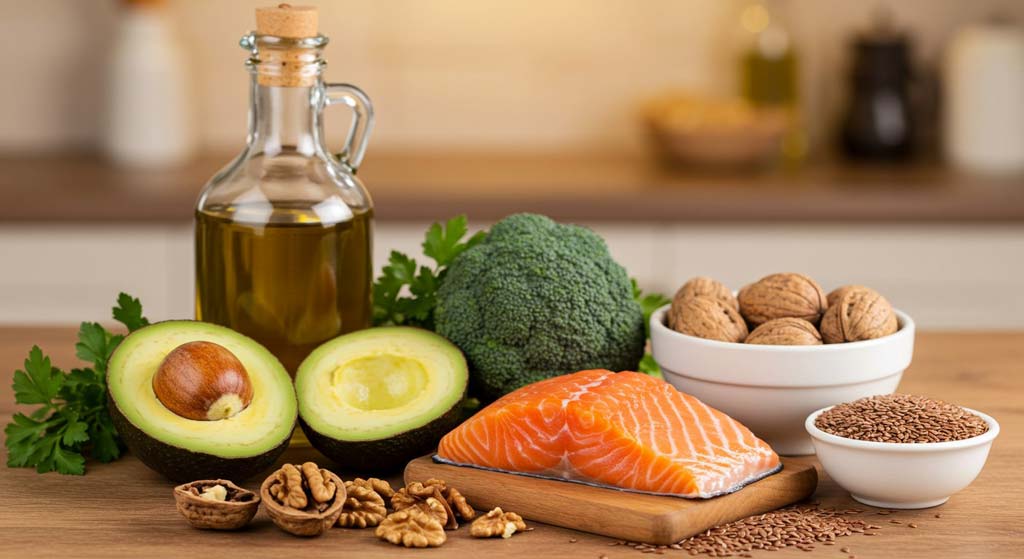
Fats macronutrient plays an essential role in human health, serving as a concentrated energy source and fulfilling vital biological functions. At 9 calories per gram, fats provide more than twice the energy of carbohydrates or proteins (4 calories per gram). Though often misunderstood, dietary fats are crucial building blocks for cell membranes, hormone production, and proper brain function.
Without adequate fat intake, the body cannot absorb fat-soluble vitamins such as A, D, E, and K. These vitamins support vision, bone health, immune function, and blood clotting. Their absorption relies entirely on the presence of dietary fat during digestion.
The impact of fat intake on health depends mainly on the types consumed rather than the total quantity. Saturated fats (raise bad cholesterol) found in animal products raise blood cholesterol differently than monounsaturated fats (healthier fats) in olive oil or polyunsaturated fats (essential fats) in fish. These differences affect heart health, inflammation levels, and cognitive function.
Current science focuses on fat quality instead of limiting total fat intake as recommended by past guidelines. This shift acknowledges the health benefits of unsaturated fats while recognising the risks of insufficient fat intake and overconsumption of certain fat types.
In the following sections, we’ll explore the different types of dietary fats and macronutrients, their health effects, the importance of omega-fatty acid balance, and practical guidelines for incorporating healthy fats into your diet. We’ll also provide a comprehensive food guide to help identify optimal fat sources for your nutritional needs.
Fats Macronutrient: Types and Biological Functions
Fats macronutrient appears in several forms in our diet, each with distinct chemical structures that influence how they affect the body. These structural differences determine whether a fat remains solid or liquid at room temperature, how stable it is when heated, and its effects on health.
The main types of dietary fats include:
Saturated Fats
- Found primarily in animal products and tropical oils
- No double bonds between carbon atoms
- Creates a straight molecular shape that packs tightly
- Remains solid at room temperature
- Common sources: meat, dairy, coconut oil, palm oil
Monounsaturated Fats
- One double bond creates a slight bend in molecule shape
- Prevents tight packing of molecules
- Liquid at room temperature, solid when refrigerated
- Primary sources: olive oil, avocados, nuts
Polyunsaturated Fats
- Multiple double bonds create a curved shape
- Remains liquid even when refrigerated
- Cannot be made by the body (essential fats)
- Includes omega-3 fatty acids (fatty fish, flaxseeds, walnuts)
- Also contains omega-6 fatty acids (vegetable oils, nuts, seeds)
Trans Fats
- Result from partial hydrogenation of vegetable oils
- Creates unnatural fat structures with harmful health effects
- Found in old margarine, shortenings, fried foods, pastries
The fats macronutrient serves as fundamental building blocks for cell membranes throughout the body. The phospholipid bilayer forming cell walls requires fats to maintain fluidity and permeability. Without sufficient fatty acids, cell membrane function becomes compromised.
The brain mainly relies on fat – about 60% of its dry weight is fat. This includes structural fats like DHA (an omega-3 fatty acid) that supports neurotransmission and development. Sufficient DHA intake remains crucial for cognitive health throughout life. Dietary fats act as precursors for many crucial hormones:
- All steroid hormones derived from cholesterol (testosterone, estrogen, cortisol)
- These hormones regulate metabolism, stress response, and reproduction
- The body produces 1-2 grams of cholesterol daily regardless of diet
- Very low-fat diets can reduce sex hormone levels
Essential fatty acids serve as substrates for eicosanoids – localised hormone-like messengers that control:
- Inflammation responses
- Blood clotting mechanisms
- Smooth muscle contraction
- The types of fat available in cell membranes directly influence which eicosanoids form.
Fats play a key role in vitamin absorption. Fat-soluble vitamins A, D, E, and K require dietary fat to form micelles in the digestive tract. These micelles allow these vitamins to reach intestinal cells for absorption. Without adequate fat intake, these vital nutrients cannot be adequately utilised despite sufficient consumption.
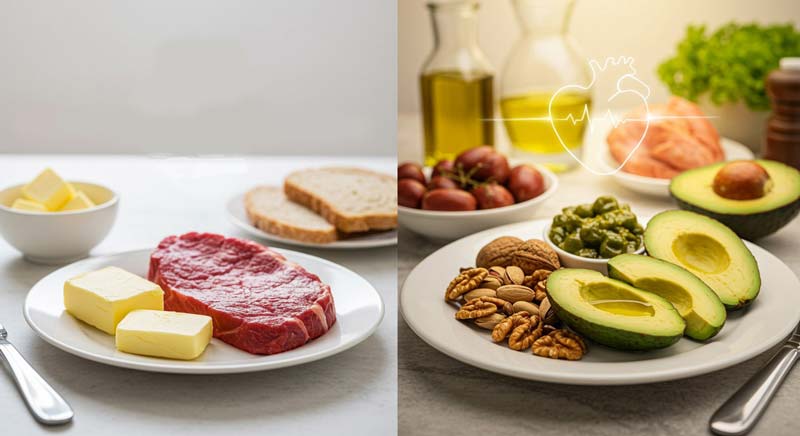
Health Impact of Different Dietary Fat Sources
Different fats affect the body in distinct ways. The type of fat consumed matters more than the total amount for long-term health outcomes. Let’s examine how various fat sources influence our well-being.
Saturated Fats and Heart Health
Saturated fats consistently raise LDL-cholesterol (low-density lipoprotein cholesterol, often called “bad” cholesterol) levels. This relationship makes them a risk factor for coronary artery disease. Controlled feeding trials show that replacing saturated and polyunsaturated fats lowers LDL and total cholesterol.
This occurs because palmitic and myristic acids decrease LDL receptor activity in the liver. With fewer receptors, more LDL remains in the bloodstream. Not all saturated fatty acids behave identically, however. Stearic acid, found in cocoa and beef, shows a neutral effect on LDL cholesterol levels.
Health authorities consistently recommend reducing overall saturated fat intake. Replacing saturated fats with unsaturated alternatives shows significant benefits. In practical terms:
- Use oils instead of butter for cooking
- Choose fish and poultry more often than fatty red meats
- Select low-fat dairy or plant-based alternatives
Such dietary shifts correlate with measurable reductions in cardiovascular events. Studies show replacing just 5% of energy from saturated fat with polyunsaturated fat is associated with approximately 25% risk reduction in cardiovascular disease.
Monounsaturated Fats: Heart-Healthy Alternatives
Monounsaturated fats provide heart-healthy options to replace saturated fats. Found abundantly in:
- Olive oil
- Avocados
- Nuts
- Seeds
These fats form a cornerstone of the Mediterranean diet, which links to low rates of heart disease worldwide. Clinical trials demonstrate that MUFAs (monounsaturated fats) improve lipid profiles (blood fat levels) by:
- Modestly lowering LDL cholesterol
- Maintaining or raising HDL (high-density lipoprotein – removes excess cholesterol from blood; “good” fat) cholesterol
- Improving insulin sensitivity
The PREDIMED trial (a major Spanish study on diet and heart health) showed that a Mediterranean diet rich in extra-virgin olive oil or nuts reduced cardiovascular events by about 30%. This reduction appeared compared to a low-fat diet approach, highlighting the importance of fat quality over quantity.
Beyond their cholesterol effects, MUFAs improve insulin sensitivity compared to saturated fats. Their chemical stability makes them less prone to oxidation in the body, which matters because oxidised LDL particles contribute significantly to atherosclerosis development.
Polyunsaturated Fats: Essential Balance
Polyunsaturated fats comprise two prominent families: omega-6 and omega-3. Both are essential because the body cannot synthesise them internally. They must come from dietary sources. Omega-6 fats (primarily linoleic acid) come from:
- Vegetable oils (soybean, corn, sunflower)
- Nuts
- Seeds
Omega-6 fats significantly lower LDL and total cholesterol when consumed instead of saturated fat. Numerous metabolic ward studies support this effect. For instance, the National Diet-Heart Study in the 1960s-70s showed that swapping animal fats for vegetable oils reduced cholesterol and estimated CHD risk. Omega-3 fats offer unique benefits beyond cholesterol reduction:
- Lower triglycerides
- Reduce resting blood pressure
- Demonstrate antiarrhythmic effects
- Provide anti-inflammatory properties
Fish oil’s long-chain omega-3 fatty acids (EPA/DHA) show particular benefits. Their role in reducing sudden cardiac death appears significant. The GISSI trial (Italian study on omega-3 and heart disease) found that fish oil supplementation after myocardial infarction led to fewer sudden deaths among participants.
Trans Fats: Unequivocally Harmful
Trans fats stand out as uniquely harmful among dietary fats. These artificial fats result from the partial hydrogenation of vegetable oils. They were once common in processed foods before health concerns led to regulatory limits. The health effects of trans fats include:
- Significantly raising LDL cholesterol
- Lowering HDL cholesterol
- Increasing triglyceride levels
- Promoting systemic inflammation
Research estimates that for each 2% of calories from trans fat, coronary heart disease risk increases by approximately 23%. Trans fats also impair endothelial function and link to higher diabetes incidence.
These effects appear more pronounced per gram than any natural fat. Trans fat remains the most potent driver of coronary heart disease among dietary fats macronutrient. Public health actions to eliminate industrial trans fats have led to measurable drops in population LDL levels and CHD events (Coronary Heart Disease incidents like heart attack or angina).
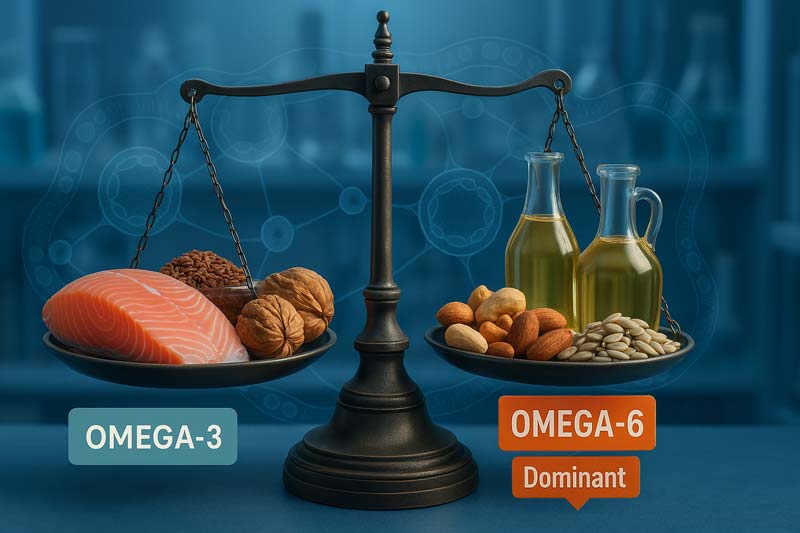
The Omega Balance: Essential Fatty Acids and Their Roles
The balance of omega-6 to omega-3 fatty acids in our diet influences inflammatory processes throughout the body. Historically, humans likely consumed these essential fats macronutrient in a ratio between 1:1 and 4:1. Modern Western diets have shifted this balance dramatically, often reaching 15:1 or higher. This imbalance creates potential health consequences.
Our bodies did not evolve with such an excess of omega-6 fatty acids relative to omega-3s. This skewed ratio can promote a more inflammatory state. Understanding how these fatty acids function within our biochemistry reveals why this balance matters.
How Omega Fatty Acids Function in the Body
Omega-6 (linoleic acid) converts to arachidonic acid (AA, a type of omega-6 fat involved in inflammation) in the body, which produces:
- Series-2 prostaglandins (inflammatory compounds made from AA)
- Series-4 leukotrienes (pro-inflammatory molecules derived from AA)
- Many of these compounds promote inflammation
- They can increase vasoconstriction and platelet aggregation
Omega-3 (alpha-linolenic acid) converts to EPA (Eicosapentaenoic Acid – anti-inflammatory omega-3) and DHA (Docosahexaenoic Acid – brain and eye-supporting omega-3), which yield:
- Series-3 prostaglandins (less inflammatory compounds from omega-3 EPA)
- Series-5 leukotrienes (less inflammatory molecules from omega-3 EPA)
- These compounds are generally less inflammatory
- Some actively reduce inflammation
Additionally, DHA can produce specialised compounds called resolvins and protectins. These molecules actively dampen inflammation and aid tissue healing, giving omega-3s unique anti-inflammatory capabilities beyond simply balancing omega-6s.
Omega Imbalance and Chronic Disease
High omega-6:3 ratios are associated with chronic inflammatory conditions. Studies show ratios of 10:1 or higher link to increased risks of:
- Obesity
- Dyslipidemia (abnormal blood fats)
- Possibly depressive disorders
Clinical trials demonstrate the benefits of lowering this ratio. In rheumatoid arthritis patients:
- A 2-3:1 ratio (achieved via omega-3 supplementation) suppressed inflammation
- This approach reduced symptoms significantly
- A 10:1 ratio worsened symptoms in comparison
Similarly, in asthma patients:
- A lower ratio (around 5:1) improved lung function
- Higher ratios showed poorer outcomes
- Inflammatory mediators decreased with improved ratios
These findings suggest that omega-6 and omega-3 remain essential, but their balance matters significantly.
The Biochemical Competition
Within the body, arachidonic acid (AA) and eicosapentaenoic acid (EPA) compete for the same enzymes:
- Cyclooxygenase (makes prostaglandins – pain/inflammation)
- Lipoxygenase (makes leukotrienes – immune/inflammation)
When AA dominates membrane phospholipids, more pro-inflammatory eicosanoids (signalling molecules from fats that control inflammation) result. If EPA levels increase:
- EPA competes with AA for these enzymes
- This produces milder inflammatory compounds
- Examples include prostaglandin E3 (anti-inflammatory signal from omega-3 EPA) and leukotriene B5 (less inflammatory molecule from omega-3 EPA)
- These molecules show less pro-inflammatory activity
Practical Approaches to Improve Your Omega Balance
The goal isn’t to eliminate omega-6 fatty acids. Rather, we should:
- Increase omega-3 intake
- Moderately reduce extremely high omega-6 sources
- Aim for a ratio closer to 4:1 or even 2:1
To achieve this fats macronutrient balance, consider:
Increasing Omega-3 Sources:
- Fatty fish (salmon, mackerel, sardines) twice weekly
- Flaxseeds or chia seeds daily (1-2 tablespoons)
- Walnuts regularly
- Consider algae-based supplements for vegetarians/vegans.
Moderating Excessive Omega-6 Sources:
- Limit processed foods made with soybean/corn oils
- Use olive oil as primary cooking oil
- Choose grass-fed meat when possible (higher omega-3 content)
- Reduce consumption of processed snack foods
This balanced approach supports overall health more effectively than strictly cutting omega-6. For example, someone consuming 20g of omega-6 daily but only 0.5g of omega-3 would benefit from adding omega-3 rather than drastically cutting omega-6.
Studies show that increasing EPA/DHA intake through fatty fish or supplements can restore a healthier tissue ratio. This shift reduces inflammatory markers like C-reactive protein (a marker of inflammation in the blood) and interleukin-6 (an immune protein that promotes inflammation) in many individuals.
Comprehensive Fats Macronutrient Food Guide
The fats macronutrient content of foods varies widely in both quantity and quality. Our comprehensive guide above details 38 common foods across 12 key metrics. Understanding these data points helps you make informed dietary choices based on your health needs.
Fats Macronutrient Food Guide
g = gramme | oz = ounce | mL = millilitre | µg = microgram | Tbsp = tablespoon | mg = milligram | Sat = Saturated fat | Mono = Monounsaturated fat | Poly = Polyunsaturated fat | DV = Daily Value | MUFA = Monounsaturated Fatty Acid | MCT = Medium-Chain Triglyceride | CLA = Conjugated Linoleic Acid | DHA = Docosahexaenoic Acid | EPA = Eicosapentaenoic Acid | ALA = Alpha-Linolenic Acid | GLA = Gamma-Linolenic Acid | LA = Linoleic Acid | DGLA = Dihomo-gamma-linolenic acid | ω-3 = Omega-3 | ω-6 = Omega-6 | ~ = Approximate value | – = Data not available | HDL = High-Density Lipoprotein | LDL = Low-Density Lipoprotein | MFGM = Milk Fat Globule Membrane | SCFA = Short-Chain Fatty Acid | IU = International Unit | HCA/PAH = Heterocyclic Amines/Polycyclic Aromatic Hydrocarbons | TBHQ = tert-Butylhydroquinone | PAH = Polycyclic Aromatic Hydrocarbons | °C = degrees Celsius | °F = degrees Fahrenheit
Detailed analysis of 38 common foods across 12 key metrics, including fat types, omega ratios, and health effects. This comprehensive fats macronutrient reference distinguishes between saturated, monounsaturated and polyunsaturated fats. It explains their impacts on health and bodily function.
Let’s examine the key metrics and their significance in the table above:
Understanding Table Metrics
Total Fat (g): This measures the complete fat content per serving. Fat provides 9 calories per gram, more than twice the energy of carbohydrates or proteins. Higher values indicate more energy-dense foods.
Types of Fat (Saturated/Monounsaturated/Polyunsaturated): These columns break down the fat profile of each food. The ratios matter for health outcomes:
- Saturated fat: It is generally recommended to limit this type
- Monounsaturated fat: Heart-healthy option found in olive oil, avocados
- Polyunsaturated fat: Essential fats including omega-3 and omega-6
Omega-3 and Omega-6 Content: These columns show specific polyunsaturated fat amounts. These values help calculate the important omega-6:3 ratio. Lower ratios (under 4:1) generally support better health outcomes.
Cholesterol (mg): This measures dietary cholesterol content. Current science shows dietary cholesterol affects blood cholesterol modestly in most people. Those with specific genetic factors may respond more strongly.
Fat-Soluble Vitamins (A, D, E, K): These nutrients require dietary fat for proper absorption. Foods high in both fat and these vitamins offer nutritional synergy.
Health Effects: This column summarises the research-backed health implications of each fat source. Effects vary based on fat types, processing methods, and accompanying nutrients.
Bioavailability: This indicates how effectively the body can absorb and utilise the fats. Factors affecting bioavailability include:
- Fat type and structure
- Food matrix (whole food vs. isolated fat)
- Processing methods
- Individual digestive health
Best Usage Scenario: This provides practical guidance on optimal culinary applications. Some fats withstand high heat (high smoke point). In contrast, others maintain better nutritional value when consumed raw or with minimal heating.
Allergen Risk: This flags potential allergen concerns, which are particularly important for nuts, fish, and dairy-based fats. Allergen awareness helps prevent adverse reactions in sensitive individuals.
Comparing Food Categories
The fats macronutrient table organises foods into distinctive categories:
1: Animal Fats:
- Generally higher in saturated fat (30-50% of total fat)
- Contain cholesterol
- Grass-fed/pasture-raised sources offer better fatty acid profiles
- Provide fat-soluble vitamins (especially A, D, and K2)
2: Plant Fats (including avocados, nuts, and seeds):
- Typically higher in unsaturated fats
- Zero cholesterol
- Often rich in vitamin E and phytosterols
- Generally associated with positive health outcomes
3: Fatty Fish:
- Exceptional sources of omega-3 fatty acids (EPA/DHA)
- Provide complete protein alongside healthy fats
- Contain vitamin D and selenium
- Support cardiovascular and brain health
4: Oils:
- Concentrated fat sources without fibre or protein
- Quality varies dramatically by source and processing method
- Smoke points determine cooking suitability
- Cold-pressed, unrefined versions retain more nutrients
5: Processed Fats (margarine, shortening):
- Often contain altered fat molecules (historically trans fats)
- Typically include additives for stability and texture
- Generally less beneficial than naturally occurring fats
- Quality has improved as manufacturers removed trans fats
This comprehensive guide is a practical reference for selecting fat sources that align with your health goals. Insights of these metrics helps make informed decisions about which fats macronutrient sources deserve prominence in your diet.
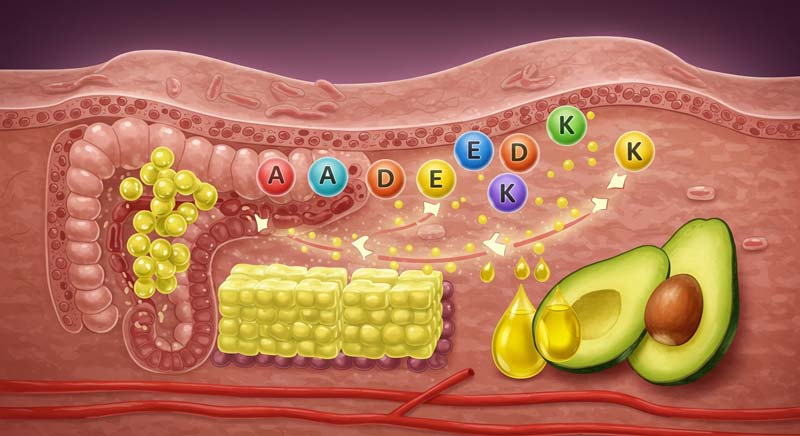
Dietary Fat and Vitamin Absorption
Dietary fat significantly influences the absorption of vitamins A, D, E, and K – compounds that dissolve in fat but not water. Without adequate fat, the body cannot properly absorb these essential nutrients. This relationship between fats macronutrient and vitamin uptake demonstrates why extremely low-fat diets can lead to deficiencies despite sufficient vitamin consumption.
The Fat-Soluble Vitamin Absorption Process
When we consume fat-soluble vitamins in foods, they travel with fats through the digestive system. The process works as follows:
- Fat consumption triggers bile release from the gallbladder
- Bile acids emulsify fats into tiny droplets
- These droplets incorporate fat-soluble vitamins
- The emulsified mixture forms micelles
- Micelles transport vitamins to intestinal cell surfaces
- Absorption occurs through the intestinal wall
If a meal contains virtually no fat, this process becomes compromised. The gallbladder may not release sufficient bile, micelle formation becomes suboptimal, and vitamin uptake suffers.
Evidence for Fat-Enhanced Absorption
Studies demonstrate the practical importance of this relationship:
- Adding just 6g of olive oil to a salad boosts carotenoid (pro-vitamin A) absorption more than 7-fold compared to fat-free dressing
- Vitamin D supplements show 32% greater absorption when taken with a high-fat meal versus a fat-free meal
- Vitamin K absorption from green vegetables improves significantly when consumed with butter or oils
These findings explain why traditional food combinations often pair fat with vitamin-rich foods—for example, butter on vegetables or olive oil on salads. These combinations evolved not just for taste but also for improved nutrition.
Critical Roles of Fat-Soluble Vitamins
The fats macronutrient enables the absorption of these crucial vitamins:
1: Vitamin A (Retinol and Carotenoids)
- Essential for vision (forms rhodopsin in the retina)
- Maintains skin and mucous membrane integrity
- Supports immune function
- Found in liver, dairy, and eggs, and as beta-carotene in orange/yellow plants
2: Vitamin D (Calciferol)
- Regulates calcium metabolism for bone health
- Modulates immune function
- Influences gene expression in many tissues
- Sources: fatty fish, egg yolks, fortified dairy, and sun exposure
3: Vitamin E (Tocopherols)
- Primary fat-soluble antioxidant protecting cell membranes
- Prevents oxidation of polyunsaturated fats
- Supports immune function
- Found in nuts, seeds, vegetable oils, and greens
4: Vitamin K (K1 from plants, K2 from animal foods/ferments)
- Required for blood clotting (activates clotting factors)
- Essential for bone metabolism (activates osteocalcin)
- It may help prevent vascular calcification
- Sources: leafy greens (K1), aged cheese, natto, animal fats (K2)
Clinical Evidence from Malabsorption Conditions
Patients with fat malabsorption conditions illustrate the vital link between dietary fat and vitamin nutrition. Conditions that affect this relationship include:
- Cystic fibrosis (pancreatic enzyme insufficiency)
- Celiac disease (intestinal damage)
- Crohn’s disease (intestinal inflammation)
- Cholestasis (reduced bile flow)
- Use of fat-blocking weight loss medications
Without proper fat digestion and absorption, these patients often develop deficiencies in fat-soluble vitamins despite adequate dietary intake. Symptoms might include:
- Night blindness (vitamin A deficiency)
- Osteomalacia/rickets (vitamin D deficiency)
- Increased oxidative stress (vitamin E deficiency)
- Bleeding disorders (vitamin K deficiency)
In such cases, healthcare providers prescribe water-miscible or high-dose supplemental forms of these vitamins to bypass the need for fat-mediated absorption.
Practical Fat Inclusion for Optimal Vitamin Absorption
To ensure proper absorption of fat-soluble vitamins:
- Include at least 5g of fat in meals containing fat-soluble vitamins
- Combine vegetables high in carotenoids and vitamin K with healthy fats
- Take vitamin D supplements with a fat-containing meal
- Avoid fat-free salad dressings when eating nutrient-rich vegetables
- Be cautious with very low-fat diets (under 20% of calories from fat)
Even modest fat additions significantly improve vitamin bioavailability. This doesn’t require high-fat meals – just sufficient fat to trigger bile release and micelle formation.

Practical Fats Macronutrient Guidelines for Daily Diet
Modern dietary guidelines emphasise the quality of fats macronutrient over total quantity consumed. While past recommendations often set strict upper limits on total fat intake (typically ≤30% of calories), current science recognises that the types of fats consumed matter more than the total amount.
This shift reflects research showing populations consuming high-fat Mediterranean diets (≈40% calories from fat) enjoy lower heart disease rates when those fats come primarily from unsaturated sources.
What does this mean for your daily food choices? Let’s explore practical guidelines based on current evidence.
Recommended Fat Intake Ranges
For adults, the current consensus supports these intake levels:
- Total fat: 20-35% of daily calories
- Saturated fat: <10% of calories (preferably closer to 7%)
- Trans fat: as close to zero as possible
- Remaining fat from MUFA (monounsaturated fat – found in olive oil, nuts, avocado) and PUFA (polyunsaturated fat – found in fish, flaxseeds, walnuts) sources
For someone consuming 2,000 calories daily, these guidelines translate to:
- Total fat: 44-78 grams
- Saturated fat: <22 grams (preferably ≤15g)
- Trans fat: <2 grams (ideally zero)
- Unsaturated fats: the remainder of the fat allowance
Practical Food Choices: Improving Fat Quality
Making these fats macronutrient recommendations work in real life means adjusting everyday food choices. Here are practical swaps outlined in the table below to improve fat quality without sacrificing taste:
| Instead of This | Choose This |
|---|---|
| Butter | Olive oil, avocado oil |
| Fatty red meat | Fatty fish, lean poultry |
| Full-fat dairy | Reduced-fat dairy or plant alternatives |
| Processed snacks | Nuts, seeds, avocado |
| Fried foods | Baked, grilled, or roasted options |
| Creamy dressings | Vinaigrettes with healthy oils |
These substitutions align with evidence showing that replacing 5% of calories from saturated fat with polyunsaturated fat reduces heart disease risk by approximately 25k. Importantly, replacing saturated fat with refined carbohydrates shows no benefit and may slightly increase risk.
Reading Food Labels for Fat Information
Food labels provide valuable information about fat content. When evaluating products, look for:
- Total Fat: Indicates overall fat content per serving
- Saturated Fat: Aim to limit this number
- Trans Fat: Seek products with zero grams
- Ingredient List: Watch for:
- “Partially hydrogenated oils” (indicates trans fats)
- The types of oils used (olive, canola preferred over palm, coconut)
- Where oils appear in the ingredient list (earlier = higher quantity)
Remember that products labelled “trans fat-free” may contain up to 0.5g trans fat per serving. Multiple servings can add up to significant amounts.
Cooking Methods to Preserve Healthy Fats
The way you cook with fats affects their health properties. Follow these guidelines:
1: High-Heat Cooking (frying, roasting above 375°F/190°C)
- Best fats: Avocado oil, refined olive oil, ghee
- Avoid: Flaxseed oil, walnut oil, unrefined oils
2: Medium-heat cooking (gentle sautéing, baking)
- Best fats: Extra virgin olive oil, duck fat, coconut oil
- Avoid: Butter (burns quickly)
3: No-Heat Applications (dressings, drizzling)
- Best fats: Extra virgin olive oil, flaxseed oil, walnut oil
- These retain maximum nutritional benefits when unheated
Balancing Omega Fatty Acids in Daily Eating
Creating a healthier omega-6 to omega-3 balance requires attention to daily food choices. Practical approaches include:
- Eat fatty fish twice weekly (salmon, mackerel, sardines)
- Add 1-2 tablespoons of flaxseed or chia seeds daily to cereals, smoothies
- Use olive oil as your primary cooking oil instead of corn/soybean oils
- Include walnuts regularly in snacks and meals
- Choose grass-fed meats when possible (higher omega-3 content)
- Limit processed foods made with industrial seed oils
These simple changes can shift your omega ratio closer to the 4:1 target associated with better health outcomes. This balanced approach works better than drastically cutting all omega-6 sources.
Special Considerations for Different Life Stages
The fats macronutrient needs vary across life stages:
1: Infants and Children
- Require higher fat intake (40-50% of calories for infants)
- Need adequate DHA for brain development
- Should not follow low-fat diets before age 2
- Gradually shift toward adult patterns after age 2
2: Pregnancy and Lactation
- Increased need for DHA (crucial for fetal brain development)
- Aim for 8-12 oz fatty fish weekly or DHA supplements
- Maintain adequate fat intake for hormone production
3: Older Adults
- May need more fat-soluble vitamins (mainly D and K2)
- Often benefit from anti-inflammatory omega-3s
- Should maintain adequate fat for hormone production
- May need to emphasise calorie-dense healthy fats if appetite decreases
Athletes
- May use higher fat intake for endurance training (fat adaptation)
- Need adequate essential fatty acids for recovery
- Should focus on anti-inflammatory fats to support recovery
- May benefit from MCT oil for specialised training protocols
These adjustments help meet changing physiological needs while maintaining focus on fat quality.
Sources
- American Heart Association. June 15, 2017. Advisory: Replacing saturated fat with healthier fat could lower cardiovascular risks.
- Chianese R, Coccurello R, Viggiano A, Scafuro M, Fiore M, Coppola G, Operto FF, Fasano S, Laye S, Pierantoni R, Meccariello R. Impact of Dietary Fats on Brain Functions. Curr Neuropharmacol. 2018;16(7):1059-1085.
- Food and Nutrition Board of the Institute of Medicine. Dietary Reference Intakes for Energy, Carbohydrate, Fiber, Fat, Fatty acids, Cholesterol, Protein, and Amino Acids. Washington, DC: National Academy Press; 2005.
- Gropper SS, Smith JL, Groff JL. Advanced Nutrition and Human Metabolism. 5th ed. Belmont (CA): Thompson Brooks/Cole; 2009.
- Huff T, Boyd B, Jialal I. Physiology, Cholesterol. [Updated 2023 Mar 6]. In: StatPearls [Internet]. Treasure Island (FL): StatPearls Publishing; 2025 Jan-.
- Mariamenatu AH, Abdu EM. Overconsumption of Omega-6 Polyunsaturated Fatty Acids (PUFAs) versus Deficiency of Omega-3 PUFAs in Modern-Day Diets: The Disturbing Factor for Their “Balanced Antagonistic Metabolic Functions” in the Human Body. J Lipids. 2021 Mar 17;2021:8848161.
- Mozaffarian D, Katan MB, Ascherio A, Stampfer MJ, Willett WC. Trans fatty acids and cardiovascular disease. N Engl J Med. 2006 Apr 13;354(15):1601-13.
- Sacks FM, Lichtenstein AH, Wu JHY, Appel LJ, Creager MA, Kris-Etherton PM, Miller M, Rimm EB, Rudel LL, Robinson JG, Stone NJ, Van Horn LV; American Heart Association. Dietary Fats and Cardiovascular Disease: A Presidential Advisory From the American Heart Association. Circulation. 2017 Jul 18;136(3)
- Simopoulos AP. The importance of the ratio of omega-6/omega-3 essential fatty acids. Biomed Pharmacother. 2002 Oct;56(8):365-79.
- The Nutrition Source. Eggs and cholesterol back in the spotlight in new JAMA study.
- The Nutrition Source. Trans Fats and Cardiovascular Health: Dr. Mozaffarian’s Testimony.
- The UF/IFAS. March 3, 2025. The Facts on Fats
- S. Department of Health and Human Services Web site [Internet]. Dietary Guidelines for Americans 2015-2020. 8th ed. Atlanta (GA): USDHHS