


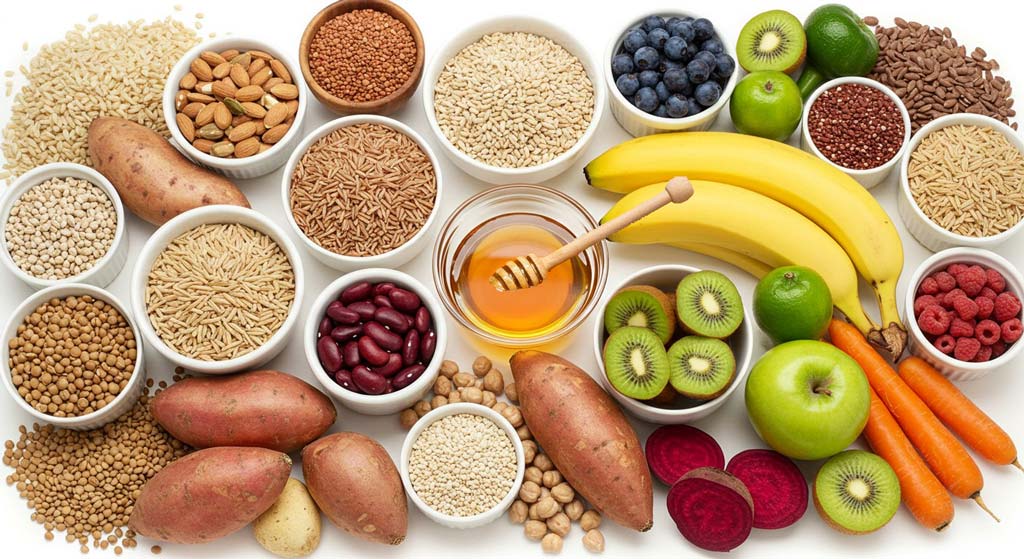
Carbohydrates macronutrient knowledge forms the foundation of sound nutritional practice for everyday health and physical performance. Research demonstrates these compounds provide 4 kcal/g, making them one of the three primary energy sources alongside proteins and fats.
Their role in human physiology encompasses glucose provision for brain function, muscle energy during exercise, and even raw materials for synthesising some essential fats when required.
Scientific evidence shows that adequate carbohydrate intake supports proper immune function, sustains exercise capacity, and contributes to overall metabolic health. The body regulates carbohydrates as a macronutrient through hormones like insulin, glucagon, and epinephrine.
This orchestration ensures stable blood glucose levels, making stored energy accessible when needed. Different tissues utilise carbohydrates at various rates depending on activity level, with carbohydrate oxidation increasing proportionally with exercise intensity.
This metabolic versatility (the body’s ability to process and use nutrients for energy) supports everything from casual daily activities to intense athletic performance. Studies examining carbohydrate consumption patterns globally have identified concerning relationships between unbalanced intake and health outcomes.
Research across 165 countries has established strong positive correlations between diabetes prevalence and per capita sugar consumption, highlighting the importance of both carbohydrate quality and quantity. Meanwhile, higher-fibre, higher-carbohydrate diets demonstrate benefits for insulin sensitivity when properly configured.
The coming sections will examine carbohydrate types and functions, provide a comprehensive food guide with a detailed analysis of common foods, outline optimal intake recommendations for various activities, and explore the broader impacts of carbohydrates on health. This information empowers readers to make informed decisions about incorporating carbohydrates into their nutrition plans.
Carbohydrates Macronutrient: Essential Energy Providers
Carbohydrates macronutrient compounds are the body’s primary energy source, particularly during high-intensity physical activities. Stored as glycogen in muscles (350–700g) and liver (80–100g), they provide readily available energy reserves for glucose metabolism. These stores bind with water at a ratio of 1g glycogen to 2.7g water, contributing up to 1–2% of skeletal muscle mass and 8% of liver mass.
This relationship explains why body weight often fluctuates with carbohydrate intake and utilisation. The brain requires a consistent glucose supply, consuming approximately 20-25% of total daily energy despite representing only 2% of body weight.
While alternative fuel sources like ketone bodies can sustain essential brain function during limited carbohydrate availability, optimal cognitive performance typically relies on adequate glucose. This relationship between carbohydrates and brain function affects mental capacity across various domains.
During physical activity, carbohydrates play a crucial role as exercise intensity increases. Research indicates a progressive rise in carbohydrate oxidation with higher exercise intensities, demonstrating their essential role in energy production. This metabolic pattern explains why glycogen depletion correlates directly with fatigue during demanding physical activities.
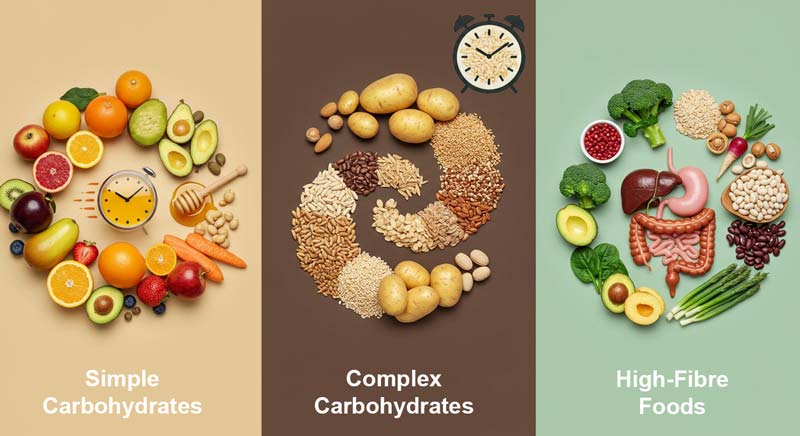
The carbohydrates macronutrient category encompasses three main types: sugars, starches, and fibres. Each type offers distinct nutritional properties and physiological effects. Simple sugars provide rapid energy, starches offer sustained release, while fibres support digestive health and help regulate blood sugar levels.
These differences enable people to select appropriate carbohydrate sources for their health needs. Inadequate carbohydrate intake decreases stored glycogen and limits energy availability during exercise, resulting in diminished athletic performance.
Historical research dating to the 1924 Boston Marathon demonstrated this relationship, with runners showing hypoglycemia (low blood sugar), fatigue, and poor concentration at the finish line. Subsequent studies using muscle biopsy techniques revealed how quickly glycogen depletes during exercise, informing modern nutritional strategies.
Scientific evidence now supports specific protocols for carbohydrate intake based on activity levels. For general health maintenance, carbohydrates should constitute approximately 45-65% of total calories. Active individuals benefit from 3-5g of carbohydrates per kg of body mass daily.
Those engaged in intense training may require 8-12g per kg for optimal performance. These guidelines provide practical frameworks for tailoring carbohydrate consumption to individual needs and activity levels.
Types of Carbohydrates and Their Functions
Carbohydrates exist in three primary forms: sugars, starches, and fibres. Each category serves distinct roles in nutrition and metabolism. The carbohydrates macronutrient group includes simple and complex structures with varying effects on the body.
Simple sugars occur naturally in foods like fruits and milk but appear as added ingredients in processed products. These compounds provide immediate energy, making them valuable during intense physical activity but problematic when consumed excessively.
Complex carbohydrates, called starches, are found in whole grains and certain vegetables, including potatoes, beans, and peas. Research demonstrates that these foods offer slower energy release, supporting sustained activity while providing essential vitamins and minerals.
This gradual digestion helps maintain stable blood glucose levels, avoiding the rapid spikes associated with simple sugars. Fibre, the third category of carbohydrates macronutrient, includes parts of plant foods that resist digestion.
Studies link higher fibre intake with reduced risks of diabetes, colon cancer, and obesity. Despite not providing direct energy, fibre plays crucial roles in digestive health, satiety, and blood sugar regulation. Dietary guidelines generally recommend at least 25-35g daily, though most global intake averages around 20g.
The glycaemic index (GI) measures how quickly foods raise blood glucose levels. Low-GI foods cause gradual rises, while high-GI options trigger rapid spikes. This classification system helps individuals select carbohydrates based on their health needs and activity levels.
Foods with lower GI values typically contain more fibre and undergo less processing. Chemically, starches differ from sugars by comprising long chains of glucose molecules.
This structure requires more extensive digestion, resulting in slower energy release. Foods containing resistant starch partially escape digestion in the small intestine, functioning similarly to fibre and supporting gut health through fermentation in the large intestine.
Prebiotics, a subset of carbohydrates, selectively feed beneficial gut bacteria. The International Scientific Association for Probiotics and Prebiotics defines them as substrates selectively utilised by host microorganisms, conferring health benefits.
These compounds support digestive health and potentially influence broader well-being through gut-brain connections. Carbohydrate quality increasingly draws scientific attention.
Research suggests focusing on minimally processed sources such as whole grains, legumes, vegetables, and fruits provides optimal health outcomes. These foods deliver carbohydrates alongside fibre, vitamins, minerals, and beneficial plant compounds, creating synergistic effects that isolated carbohydrates cannot replicate.
The Comprehensive Carbohydrates Macronutrient Food Guide
How different foods deliver carbohydrates and macronutrient content requires detailed analysis across multiple dimensions. The comprehensive table below examines 57 common foods according to seven key metrics: serving size, carbohydrate content per serving, carbohydrate type, glycaemic index score, bioavailability, and optimal usage scenarios.
This information enables readers to make informed choices based on their health goals and activity requirements. The carbohydrates macronutrient distribution across food groups demonstrates clear patterns in the table.
The table’s carbohydrate content column quantifies total carbohydrates per standard serving, offering practical guidance for meal planning. For instance, cooked barley provides 44g per cup. In comparison, raw spinach contains just 1g per cup, illustrating the vast range across food categories.
This variation highlights why considering food volume alongside carbohydrate density matters for satiety and nutrient intake. The carbohydrate type classification distinguishes between simple and complex forms.
Simple carbohydrates include monosaccharides and disaccharides that digest quickly, while complex carbohydrates contain longer chains requiring more extensive breakdown. Many foods contain mixtures of both types in varying proportions, affecting their overall digestive and metabolic impacts.
Glycaemic index (GI) scores measure how quickly foods raise blood glucose levels compared to pure glucose (assigned a value of 100). Lower scores indicate more gradual effects, while higher values suggest rapid impacts.
The GI ranges within the table demonstrate significant variations even within food categories. For example, fruits range from cherries (GI 20) to watermelon (GI 72). Bioavailability refers to how efficiently the body absorbs and uses the carbohydrates in each food.
This metric accounts for factors like fibre content, food structure, and accompanying nutrients that may enhance or limit absorption. Foods with high fibre content typically show lower bioavailability of their carbohydrate content, benefiting blood sugar stability.
The “best usage scenarios” column provides practical guidance for incorporating each food into dietary patterns. Some items excel at giving rapid energy for high-intensity activities. In contrast, others support sustained release for endurance events or stable blood sugar throughout the day.
This actionable information helps match food choices to specific metabolic needs and activity patterns. Grains and cereals generally provide the highest concentrations of carbohydrates, followed by legumes, fruits, dairy products, nuts, and vegetables in descending order.
This hierarchy reflects evolutionary adaptations in plant storage systems and animal milk production, resulting in diverse carbohydrate profiles across the food supply. The table is a comprehensive reference for optimising carbohydrate choices based on individual needs and goals.

Optimal Carbohydrate Intake for Different Activities
Carbohydrate requirements vary significantly based on activity type, intensity, and individual physiology. Research indicates that sedentary adults should consume between 45-65% of their total calories from carbohydrates macronutrient to maintain general health.
This translates to approximately 3g per kilogram of body weight daily for most individuals, providing sufficient energy while leaving room for adequate protein and healthy fats. For recreational exercisers participating in moderate activity lasting under an hour, slight increases to 3-5g/kg body weight daily support energy needs without requiring specialised timing strategies.
This approach maintains adequate glycogen stores for daily sessions while supporting recovery between workouts. Regular meals throughout the day typically suffice for this activity level. Endurance athletes engaging in prolonged training sessions face substantially higher requirements of carbohydrates macronutrient.
Studies show these individuals may need 6-10g/kg daily to maintain performance and recover effectively. Marathon runners, cyclists, and triathletes often benefit from this higher intake to prevent the performance decline associated with glycogen depletion during extended activity periods.
Timing considerations become increasingly crucial as training volume increases. For activities less than 6 hours apart, consuming 0.6-1.0g/kg of carbohydrates within 30 minutes post-exercise, followed by regular intake every 2 hours for 4-6 hours, maximises glycogen replenishment.
This approach supports those training multiple times daily or recovering from particularly demanding sessions. Strength and power athletes maintain different requirements than endurance performers.
While still needing adequate carbohydrates (4-7g/kg/day), their primary focus typically shifts toward protein intake for muscle repair and growth. Nevertheless, sufficient carbohydrate availability remains essential for high-intensity resistance training, which depends on glycolytic energy pathways.
During prolonged exercise lasting beyond 60 minutes, consuming external carbohydrates (30-60g per hour) helps maintain blood glucose levels and spares muscle glycogen. Specially formulated sports drinks containing 6-8% carbohydrate solution are effective during hot conditions.
These beverages address both energy and hydration needs simultaneously. Pre-exercise nutrition strategies affect subsequent performance.
Consuming 1-4g/kg of primarily high-glycemic carbohydrates approximately 1-4 hours before activity optimises glycogen availability while allowing sufficient time for digestion. This approach provides immediate energy while minimising gastrointestinal distress during the activity itself.

Carbohydrates and Their Impact on Health
Carbohydrate quality significantly affects health outcomes beyond simply providing energy. Research across 165 countries has identified strong positive correlations between sugar consumption and diabetes prevalence, highlighting the importance of distinguishing between carbohydrates macronutrient types.
Modern dietary patterns often skew toward refined carbohydrates, which, when consumed in excess, can contribute to metabolic disorders. Higher-fibre, higher-carbohydrate diets show measurable benefits for fasting insulin levels.
Analysis of clinical trials reveals these approaches significantly reduce fasting insulin compared to lower-carbohydrate, lower-fibre diets. The magnitude appears related to the ratio of increased fibre to increased carbohydrate, with more significant fibre increases showing more substantial improvements in insulin sensitivity.
Focusing on whole grains, legumes, vegetables, and fruits provides optimal outcomes compared to refined carbohydrate sources. Studies demonstrate these minimally processed foods support healthier blood lipid profiles (cholesterol and triglyceride levels in the bloodstream), improved weight management, and reduced inflammation markers.
The Diabetes Nutrition Study Group recommends dietary fibre intake of at least 35g daily for adults with diabetes, achieved through these food groups. Brain function depends heavily on glucose availability, with carbohydrates macronutrient affecting cognitive performance through several mechanisms.
Research indicates poor glucoregulation (the body’s ability to regulate blood glucose levels) potentially impairs mental performance, especially in older adults. However, balanced carbohydrate intake from diverse sources supports better cognitive health than highly restrictive diets.
Weight management strategies often involve carbohydrate manipulation, but outcomes vary based on food quality rather than quantity. An analysis comparing different dietary approaches found that diets promoting whole grains and legumes reduced body weight by an average of 0.85kg, while other approaches increased weight.
This suggests the specific foods used to deliver carbohydrates matter more than simple macronutrient ratios. Meta-analyses examining low-carbohydrate versus balanced-carbohydrate diets show temporary improvements in cardiometabolic risk factors (indicators of heart disease and metabolic syndrome) with carbohydrate restriction, but effects typically diminish over time.
Evidence suggests nutrition guidance should emphasise carbohydrate type and source rather than focusing primarily on amount. Carbohydrate timing may influence health outcomes independently of total consumption.
Studies on time-restricted eating suggest limiting daily food consumption to specific periods when the body is most receptive may improve metabolic health without specifically restricting carbohydrates. This approach aligns with circadian rhythm (the body’s internal 24-hour biological clock) research showing our physiological responses to identical meals vary throughout the day.
Sources
- Bytomski JR. Fueling for performance. Sports Health. 2018;10(1):47–53.
- Costill DL. Carbohydrates for exercise: Dietary demands for optimal performance. Int J Sports Med. 1988;9:1–18.
- Currell, K., & Jeukendrup, A. E. (2008). Superior endurance performance with ingestion of multiple transportable carbohydrates. Medicine and Science in Sports and Exercise, 40, 275–281.
- Gannon M.C., Nuttall F.Q. Effect of a High-Protein, Low-Carbohydrate Diet on Blood Glucose Control in People with Type 2 Diabetes. Diabetes. 2004;53:2375–2382.
- Gibson GR, Hutkins R, Sanders ME, et al. Expert consensus document: the international scientific association for probiotics and prebiotics (ISAPP) consensus statement on the definition and scope of prebiotics. Nat Rev Gastroenterol Hepatol. 2017;14(8):491–502.
- Gómez‐Pinilla F. Brain foods: the effects of nutrients on brain function. Nat Rev Neurosci 2008; 9: 568–
- Gropper SS, Smith JL, Groff JL. Advanced Nutrition and Human Metabolism. 5th ed. Belmont (CA): Thompson Brooks/Cole; 2009.
- Haier R.J., Siegel B.V., MacLachlan A., Soderling E., Lottenberg S., Buchsbaum M.S. Regional glucose metabolic changes after learning a complex visuospatial/motor task: A positron emission tomographic study. Brain Res. 1992;570:134–143.
- Hultman E. Muscle glycogen in man determined in needle biopsy specimens: method and normal values. Scand J Clin Lab Invest. 1967;19(3):209–217.
- Jones JM, Anderson JW. Grain foods and health: a primer for clinicians. Phys Sportsmed. 2008;36(1):18-33.
- Kerksick CM, Arent S, Schoenfeld BJ, et al. International society of sports nutrition position stand: nutrient timing. J Int Soc Sports Nutr. 2017;14(1):33.
- Kerksick CM, Wilborn CD, Roberts MD, et al. ISSN exercise & sports nutrition review update: research & recommendations. J Int Soc Sports Nutr. 2018;15:38.
- Knuiman P, Hopman MTE, Mensink M. Glycogen availability and skeletal muscle adaptations with endurance and resistance exercise. Nutr Metab (Lond). 2015;12(1):59.
- Levine SA, Gordon B, Derick CL. Some changes in the chemical constituents of the blood following a marathon race. JAMA. 1924;82:1778–9.
- Liu B, Hu Y, Rai SK, Wang M, Hu FB, Sun Q. Low‐carbohydrate diet macronutrient quality and weight change. JAMA Netw Open. 2023;6(12)
- Marcus J.B. Culinary Nutrition: The Science and Practice of Health Cooking. Academic Press; Oxford, UK: 2013. pp. 288–561.
- McGlory C., Devries M., Phillips S. Skeletal Muscle and Resistance Exercise Training: The Role of Protein Synthesis in Recovery and Remodeling. J. Appl. Physiol. 2017;122:541–548.
- Messier C, Tsiakas M, Gagnon M, Desrochers A. Effect of age and glucoregulation on cognitive performance. J Clin Exp Neuropsychol. 2010;32(8):809–821.
- Morton R.W., Murphy K.T., McKellar S.R., Schoenfeld B.J., Henselmans M., Helms E., Aragon A.A., Devries M.C., Banfield L., Krieger J.W., et al. A Systematic Review, Meta-Analysis and Meta-Regression of the Effect of Protein Supplementation on Resistance Training-Induced Gains in Muscle Mass and Strength in Healthy Adults. Br. J. Sports Med. 2018;52:376–384.
- Murray B, Rosenbloom C. Fundamentals of glycogen metabolism for coaches and athletes. Nutr Rev. 2018;76(4):243–259.
- Naude CE, Brand A, Schoonees A, Nguyen KA, Chaplin M, Volmink J. Low‐carbohydrate versus balanced‐carbohydrate diets for reducing weight and cardiovascular risk. Cochrane Database Syst Rev. 2022;2022(1).
- Petersen M.C., Gallop M.R., Flores Ramos S., Zarrinpar A., Broussard J.L., Chondronikola M., Chaix A., Klein S. Complex Physiology and Clinical Implications of Time-Restricted Eating. Physiol. Rev. 2022;102:1991–2034.
- Reynolds AN, Akerman A, Kumar S, Diep Pham HT, Coffey S, Mann J. Dietary fibre in hypertension and cardiovascular disease management: systematic review and meta‐analyses. BMC Med. 2022;20(1):139.
- Reynolds A, Mann J, Cummings J, Winter N, Mete E, Te Morenga L. Carbohydrate quality and human health: a series of systematic reviews and meta‐analyses. The Lancet. 2019;393(10170):434‐
- Sawka MN, Burke LM, Eichner ER, Maughan RJ, Montain SJ, Stachenfield NS. American College of Sports Medicine position stand: exercise and fluid replacement. Med Sci Sports Exerc. 2007;39(2):377-390.
- Stellingwerff T, Maughan RJ, Burke LM. Nutrition for power sports: middle-distance running, track cycling, rowing, canoeing/kayaking, and swimming. J Sports Sci. 2011;29 Suppl 1:S79-89.
- The Diabetes Nutrition Study Group of the European Association for the Study of Diabetes (DNSG). Evidence‐based European recommendations for the dietary management of diabetes. Diabetologia. 2023;66(6):965‐
- Thomas DT, Erdman KA, Burke LM. Position of the academy of nutrition and dietetics, dietitians of canada, and the American College of Sports Medicine: nutrition and athletic performance. J Acad Nutr Diet. 2016;116(3):501–528.
- Trumbo P, Schlicker S, Yates AA, Poos M., Food and Nutrition Board of the Institute of Medicine, The National Academies. Dietary reference intakes for energy, carbohydrate, fiber, fat, fatty acids, cholesterol, protein and amino acids. J Am Diet Assoc. 2002 Nov;102(11):1621-30.
- Weeratunga P, Jayasinghe S, Perera Y, et al. : Per capita sugar consumption and prevalence of diabetes mellitus – global and regional associations. BMC Public Health. 2014;14(1):186.
- Wijendran V, Hayes KC. Dietary n-6 and n-3 fatty acid balance and cardiovascular health. Annu Rev Nutr. 2004;24(1):597–615.
- World Health Organization. Carbohydrate intake for adults and children: WHO guideline. In Carbohydrate intake for adults and children: WHO guideline, 2023.
- Yang J., Park H.J., Hwang W., Kim T.H., Kim H., Oh J., Cho M.S. Changes in the glucose and insulin responses according to high-protein snacks for diabetic patients. Nutr. Res. Pract. 2021;15:54–65.
- Zhang S., Lachance B.B., Mattson M.P., Jia X. Glucose Metabolic Crosstalk and Regulation in Brain Function and Diseases. Prog. Neurobiol. 2021;204:102089.