


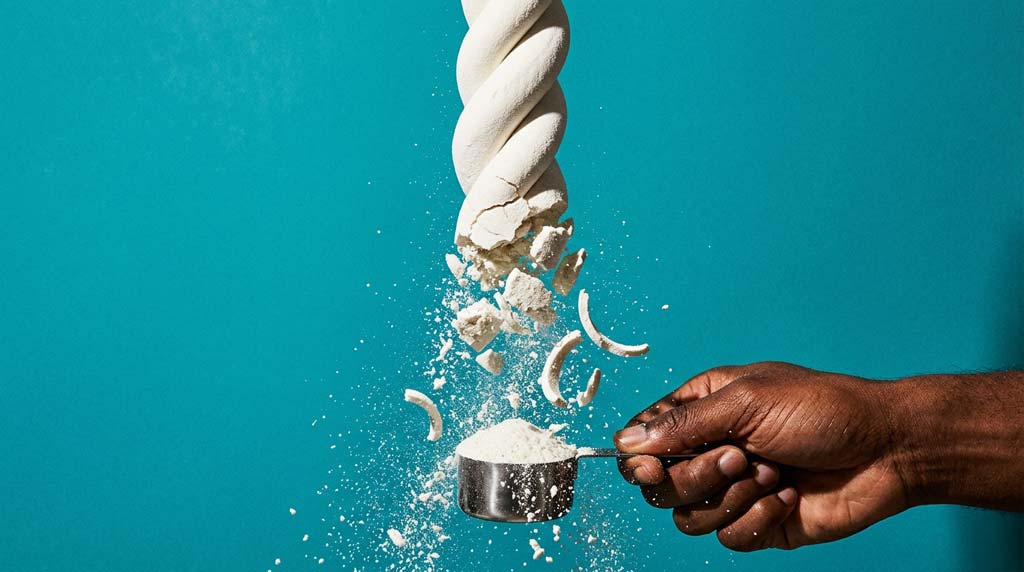
Collagen peptides sit inside a global collagen market worth USD 9.9 billion in 2024. That figure is forecast to reach USD 18.7 billion by 2030. The reasoning behind this is simple. Collagen holds the body together, and we make less of it as we age, so swallowing more should, in theory, help replace it. In the United States, the food industry takes just over 55% of the collagen market. That raises a basic question: Is collagen actually beneficial to eat?
Collagen is the most abundant protein in mammals, making up around 30% of total protein mass. Vertebrates have 28 known types, all built on one design. Three protein chains twist together into a rope-like structure called a triple helix:
- Type I is the most common, found in skin, bone, teeth and the connective tissues of tendons and ligaments.
- Type II forms cartilage.
- Type III sits mainly in skin, muscle and the walls of blood vessels.
A single type I molecule is less than 2 nanometres wide (2 millionths of a millimetre). In tendon, these molecules assemble into fibrils (fine fibres) up to 1 centimetre long. Collagen also does more than hold tissue in place. One scientific review summed this up in its title: “not just pretty fibrils”. Through several families of receptors, collagens help to regulate how cells grow, specialise and move.
The body’s collagen production declines with age. Loss begins between 18 and 29, and after 40 the body can lose about 1% a year. By about 80, production can be 75% lower than in young adults. Free radicals (unstable molecules that damage cells), a poor diet, smoking, alcohol misuse and disease all add to the decline.
Age also changes the collagen that remains. Collagen is long-lived, so sugars gradually attach to it over the years. The sugars form cross-links (chemical bridges between molecules) that make the tissue stiffer and less soluble. One such cross-link, glucosepane, can join one in five collagen molecules in older people’s skin.
Replacement is slow. Insoluble skin collagen has a half-life (the time taken for half of it to be renewed) of about 15 years. In cartilage, collagen can have a half-life of up to 117 years. Supplement trials, by contrast, usually run for weeks or a few months.
On the skin side, collagen products have risen sharply in popularity as part of a “beauty from within” trend that uses nutrition to try to delay ageing. Interest stretches well beyond appearance, however. More than half of all sports injuries are sprains, strains, ruptures or breaks of musculoskeletal tissue. Musculoskeletal tissue means the body’s muscles, tendons, ligaments, cartilage and bones. Despite their personal and financial costs, few advances have improved prevention. Since those tissues draw their strength from collagen, researchers have asked whether extra building blocks could help the body make more.
Between a tub of powder and a stronger tendon or firmer skin sits a chain of separate questions:
- First, whether the supplement is absorbed at all.
- The second is whether its fragments could plausibly reach a tissue and change what happens there.
- The third is whether people actually end up with less pain, stronger bones or better skin, and each question needs its own evidence.
Research on collagen peptides now covers enough ground to follow those questions, one part of the body at a time. Some effects appear across many trials yet stay modest. Others depend on exercise doing much of the work. Some rest on a measurement that sits one step away from the outcome people actually want.
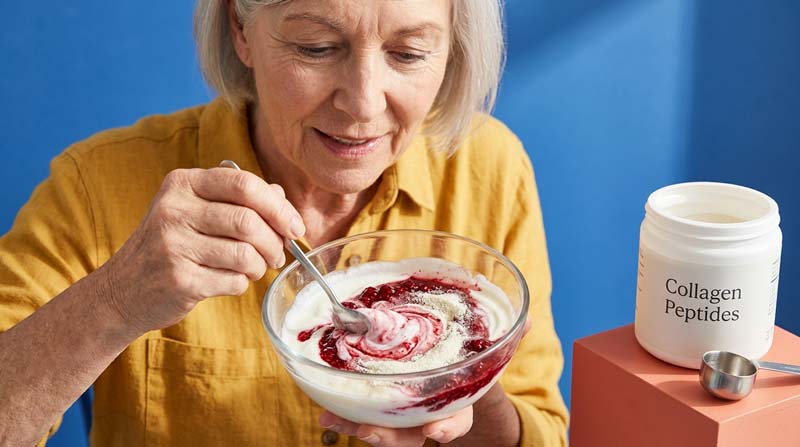
What Are Collagen Peptides
Gelatine and hydrolysed collagen start life as the same raw material, most commonly pig or cow skin. Heating and breaking down collagen produces gelatine. Enzymes can then cut gelatine into far smaller pieces. Size is what separates the products that follow. An intact collagen molecule weighs 285 to 300 kDa (kilodaltons, a unit of molecular size), while gelatine comes in at around 100 kDa. Collagen peptides are much smaller, generally between about 0.5 and 6 kDa, making them roughly a hundredth of the original molecule’s size.
Manufacturers usually work in two steps. Heat above about 40°C first loosens collagen’s triple helix into separate, randomly coiled chains. Enzymes such as alcalase, papain or pepsin then cut those chains into short fragments. The choice of enzyme determines where each cut falls, so pepsin tends to leave larger peptides, trypsin smaller ones, and alcalase a wide range of sizes. Time matters too, because longer processing gives smaller peptides. Run for too long, however, the process breaks useful peptides down into single amino acids.
Whatever the process, the product keeps collagen’s chemistry. Collagen is built from a repeating three-part pattern that always starts with glycine. That pattern makes collagen and its peptides unusually rich in glycine, proline and hydroxyproline. Each of these is an amino acid (one of the building blocks that link together to form proteins). Our guide to Protein Macronutrient Fundamentals sets out how those building blocks combine.
Those processing choices produce several forms of collagen that share a name yet behave very differently in the body.
- Intact Collagen: the full-sized molecule found in the body and used in some creams and lotions. It is generally too large to penetrate the skin when applied this way.
- Gelatine: partly broken-down collagen, often prepared at home. Its relatively large size and low solubility limit how much the body absorbs.
- Collagen Peptides: collagen cut by enzymes into short chains, typically 2 to 20 amino acids long. They are valued for their rapid absorption.
- Undenatured Type II Collagen (UC-II): collagen from chicken breastbone cartilage that keeps its original folded structure. It is taken in milligram amounts, usually 40 mg a day. It also works through a different mechanism from the other forms.
Within each category, products still differ. The animal, extraction method, and enzyme all shape a product’s molecular weight and behaviour. Reported weights range from below 600 daltons for tuna skin to 1-10 kDa for pig skin. Manufacturing also produces a complex mixture of peptides of many lengths and identities. Average molecular weight indicates how finely a product was cut, but it does not reveal which peptides it contains. The full peptide make-up of these products has not yet been described.
Cattle and pigs are the traditional sources, with fish skin, scales and bones, chicken and other animals as alternatives. Fish, pig, and cow collagen are absorbed in broadly similar ways, and studies have reported benefits for all three. In people with osteoarthritis (wear-and-tear joint disease), pig and cow collagen peptides improved symptoms equally well.
Fish collagen often looks the most consistent in skin research. However, researchers have also studied it far more often, which probably explains the pattern better than any true source effect. For bone, the best source remains unknown.
Size matters for a second reason. Some short amino acid sequences are inactive when locked inside a larger protein, yet gain biological effects once digestion or processing releases them. These bioactive peptides can act differently from the individual amino acids they contain, and collagen is a well-established source.
What Happens After You Swallow Them
For years, people assumed collagen supplements broke down completely into single amino acids. People saw them as nothing more than raw building blocks. Blood tests have since shown otherwise. After you eat collagen, both free amino acids and small intact fragments appear in the bloodstream. These fragments are di- and tripeptides (chains of two or three amino acids).
The route through the gut is the same as for any protein. In the stomach, acid and the enzyme pepsin begin breaking them down. In the first stretch of the small intestine, pancreatic enzymes trypsin and chymotrypsin cut again, and enzymes on the gut lining trim what remains. The end product is mainly di- and tripeptides, along with single amino acids, ready to cross the gut wall.
Part of collagen survives that process intact. Collagen is one of the few animal proteins that contain hydroxyproline. Its most common three-part sequence, glycine-proline-hydroxyproline, makes up about 10.5% of the chain. The ring-shaped structures of proline and hydroxyproline make them unusually rigid and chemically stable. As a result, the bonds beside them resist enzymes, so fragments containing hydroxyproline can reach the blood intact.
Absorption is quick. Some collagen fragments peak in human blood about 60 minutes after eating collagen, while the most abundant, Pro-Hyp (proline-hydroxyproline), peaks between 60 and 120 minutes. After a single 10 g dose, free hydroxyproline climbs to six to ten times its starting level. Between a third and almost half of the absorbed hydroxyproline still travels in fragments. Collagen therefore arrives as both single amino acids and small peptides. Larger doses peak later. With 15 g of gelatine, collagen’s amino acids peak about an hour after the drink, against around 30 minutes for 5 g.
How finely collagen is cut beforehand also matters. Hydrolysed collagen is absorbed more readily than collagen that hasn’t been broken down. Peptides of about 3 kDa and below raise blood levels of collagen-specific amino acids and fragments further still. With daily collagen peptide use, the picture shifts slightly over time. Over four weeks, the mix of fragments in the blood changes, and researchers have speculated that regular intake may alter gut enzyme activity.
What reaches the blood is not a copy of what was in the tub. A detailed analysis of a 10 g dose compared the product with the subsequent blood samples. Pro-Hyp was the least abundant fragment in the product, yet it dominated the blood. Gly-Pro (glycine-proline), the most abundant fragment in the product, reached blood levels about 100 times lower.
Digestion and absorption release Pro-Hyp from larger peptides, so a product’s peptide content does not directly predict blood levels. Different products also grow more alike as they are digested. Researchers passed four hydrolysed collagen products of different sizes and animal origins through a laboratory model of human digestion. Afterwards, their digested fractions no longer resembled the starting products. Size shaped the result more than the animal did.
The blood’s contents also differ sharply from those delivered by other proteins. In a comparison after resistance exercise, both proteins were taken as a 30 g drink. Whey protein produced a leucine peak more than twice as high as collagen. Leucine is an essential amino acid (one the body cannot make for itself) central to muscle building. Whey also supplied roughly nine times more essential amino acids overall. Collagen, in turn, produced a far larger rise in glycine, proline and hydroxyproline, peaking 60 to 90 minutes after the drink.
Following those fragments into a particular tissue is harder. Evidence that swallowed collagen reaches specific tissues comes from animals. In mice, radioactively labelled gelatine fragments built up in cartilage. In rats, 70% of a labelled collagen fragment was still in the skin 14 days later, even though it had cleared from other organs.
In people, the route is likely less direct. Swallowed collagen is unlikely to be built straight into the skin to replace damaged collagen. Instead, the body likely digests it into amino acids and short peptides that circulate as raw material for its own collagen production.
Some fragments may also act as messengers. In laboratory studies, collagen-derived peptides bind to receptors on fibroblasts (the cells that make collagen). The fibroblasts then produce more collagen, elastin (a stretchy protein) and hyaluronic acid (a molecule that holds water in tissue). In animals, hydrolysed collagen has reduced swelling and inflammation. In people, collagen peptides have reduced endotoxaemia (gut bacterial toxins in the blood) after the stress of intense aerobic exercise. Because each dose produces a complex mix of fragments, though, no single peptide can yet be tied to a specific benefit. The blood levels needed to affect a tissue also remain unknown.
Making collagen depends on raw materials and helpers. Collagen is roughly one-third glycine. A short supply of glycine or proline limits how much collagen the body can build. The body can make both amino acids itself. Still, it’s unclear whether it makes enough for optimal health, particularly with ageing, exercise, and disease. That uncertainty underpins the argument that dietary collagen could support the body’s overall collagen turnover.
Vitamin C is the other essential ingredient. It acts as a cofactor (a helper molecule) for the two enzymes that finish new collagen. Without enough of it, as in scurvy, new collagen fails to mature, and wounds heal poorly. Some collagen trials therefore add vitamin C. Whether it changes the results of collagen supplementation is still untested in training trials.
Collagen Peptides and Joint Pain
Young athletes with sore knees usually hurt during activity and feel little pain at rest. Older people with worn joints tend to have more pain at rest and stiffness that limits movement. In active people, this activity-related knee pain does not come from injury or joint disease. It develops from overloading or poorly balanced loading of the knee during exercise. It may also involve short-term cartilage wear too slight to show up on clinical tests.
Knee osteoarthritis is a different problem. Cartilage gradually breaks down, bony spurs develop, and the underlying bone remodels. The result is chronic pain, limited mobility and poorer mental wellbeing. Our guide to Understanding Arthritis and Joint Health covers the condition in more depth. Standard care ranges from activity modification and physiotherapy to anti-inflammatory drugs, injections, and, when those fail, surgery. Because those treatments carry side effects and mainly target pain, interest has grown in supplements such as glucosamine, chondroitin and collagen.
Pain That Comes with Exercise
A 12-week trial tested this directly in 139 athletes aged 18 to 30, all with knee pain during exercise but no injury or joint disease. They took 5 g a day of a specific collagen peptide product. A comparison group took a placebo (a dummy powder). Pain during activity fell by 38% with collagen peptides and by 28% with placebo. Doctors’ assessments matched that pattern. Pain eased in both groups from week six onward. The researchers described the results as a lead for further testing rather than confirmation.
Timing follows a pattern across trials. In a longer trial lasting 24 weeks, 10 g a day gave a small benefit for joint pain when walking. That improvement reached statistical significance (a result unlikely to be due to chance) only at the final visit. People taking placebo also turned to other pain treatments more than three times as often. Reviewers have suggested that, across such trials, benefits may take three months or more to appear. They also suggest that 5 g a day may work as well as 10 g for this kind of pain.
One proposed explanation sits in the cartilage itself. In lab work, collagen peptides increase type II collagen production and other cartilage-building materials while dialling down the enzymes that break collagen apart. Human studies have yet to confirm how much of this happens inside a living knee.
Pain from Worn Joints
For knee osteoarthritis, the pooled evidence (results combined across trials) points in the same direction. Across randomised trials in mild to moderate disease, collagen peptides reduced pain more than control treatments, with a moderate effect. The weakness lies in the trials themselves. They were few and small, and all were judged at high risk of bias (design weaknesses that can skew results). The authors called for better-designed trials to confirm the finding.
Earlier trials of 10 g a day for around three months also reported less pain and better mobility. Some research has looked beyond pain to the cartilage itself. In people with mild knee osteoarthritis, 10 g of collagen peptides a day increased cartilage proteoglycan content compared with placebo. Proteoglycans are water-holding components of cartilage, and the change showed up on MRI (magnetic resonance imaging) scans. A later analysis of the same participants’ blood found more type II collagen being made and less cartilage being broken down. These were early signals from a small pilot study, and cartilage repair in people has not been confirmed.
A Different Product with Its Own Evidence
Undenatured type II collagen works differently. Rather than supplying building blocks, it is thought to train the immune system. Specialised cells in the gut wall carry the intact collagen to the immune system. In response, the immune system produces regulatory T cells (immune cells that calm inflammation) targeted at type II collagen. When those cells meet that collagen in joint cartilage, they release anti-inflammatory signals. The approach depends on the collagen keeping its original structure, and its daily dose is a tiny fraction of a typical peptide dose.
Trials of UC-II have often set it against glucosamine plus chondroitin, two popular joint supplements. One 12-week trial included 101 people with knee osteoarthritis. Both supplements improved pain, stiffness and physical function more than placebo, with no significant difference between them. UC-II, however, improved quality of life more. Researchers also compared UC-II with exercise. In women with knee osteoarthritis, UC-II and exercise therapy improved walking tests by similar amounts. When UC-II was added to strengthening exercises, pain fell in every group and did not differ between them.
Reviews describe UC-II as safe and effective for knee osteoarthritis in the short and medium term. They also note small groups, short follow-up and no comparisons with injections or other common treatments. Because UC-II acts through the immune system at a very small dose, you can’t borrow its results for hydrolysed collagen peptides, and vice versa.

What Tendon Studies Show
Collagen makes up about 65% to 80% of a tendon’s dry weight, and cross-links between its molecules help tendons withstand high-impact and shearing forces. Tendons transmit muscle force to bone. They respond to training by thickening, becoming stiffer, and organising their internal structure more tightly. That response starts with mechanical loading, which sets off signalling inside tendon cells and increases their production of structural proteins.
Trials measure those changes separately. Cross-sectional area captures a tendon’s thickness. Stiffness describes how strongly the tendon resists stretching under load. Young’s modulus divides stiffness by size, so it reflects the tissue’s quality, independent of its dimensions.
Adding collagen to resistance training has produced mixed results for thickness. In a 15-week trial, participants took 15 g of collagen peptides daily. Their patellar tendon (below the kneecap) grew no thicker or stiffer than with placebo. Two 14-week trials, by contrast, used 5 g a day.
Achilles tendon area increased by about 10%, versus 4% with placebo, while patellar tendon area increased by 10.7%, versus 6.5%. Middle-aged men taking 30 g of hydrolysed collagen with vitamin C gained 6% in patellar tendon area, where placebo produced no change. In professional female footballers, however, collagen did not change tendon size.
Pooling the trials suggests a modest extra gain in tendon thickness. The result is fragile, though, because removing a single trial left it short of statistical significance. Tendon size gains appear clearest after several months of training, which fits evidence that tendons change most in size after programmes of around 12 weeks.
Stiffness follows dose more closely than size does. In trials using 30 g a day, collagen produced clearly larger gains than placebo. Professional female footballers gained 15% in stiffness against 5% on placebo, and middle-aged men gained 56% against 19%. In trials using about 5 g, stiffness rose in both groups with no difference between them. Load matters as well. Stiffness can rise without any change in size, and it responds most to heavy loads and lengthening (eccentric) muscle contractions. Trials built on body-weight and jumping exercises may therefore miss it. Collagen has shown little benefit for explosive performance, such as jump height and how quickly force is produced.
A bigger tendon is not always a healthier one.
Tendons enlarge when they adapt to training, yet they also enlarge in tendinopathy (painful tendon degeneration). In tendinopathy, the extra size comes from disorganised collagen, new blood vessel growth, and swelling. Diseased tendons often have a larger area, lower stiffness, and a lower Young’s modulus. Size alone cannot separate healthy adaptation from damage.
The case for injury protection rests on simple physics. Tendon stress equals force divided by cross-sectional area, so a thicker tendon spreads the same force over more tissue. On that basis, researchers have proposed thicker tendons to prevent sports injuries. Yet the size effect itself is uncertain, and fewer injuries have not been shown.
Rehabilitation studies test collagen against real problems. Young athletes with chronically unstable ankles took 5 g a day for six months alongside rehabilitation. They reported better stability and fewer repeat injuries. However, their objectively measured ankle stiffness did not change.
The collagen group had also started with worse scores than the placebo group. In athletes with Achilles tendinopathy doing calf-strengthening exercises, collagen peptides improved symptom and function scores more than placebo. Blood vessel growth in the tendon fell equally in both groups, and the exercise programme itself may have improved tendon structure.
For torn tendons and ligaments, the evidence is thinner still. A 2026 review found few eligible human studies and judged their overall certainty to be low. It cited small samples, few placebo controls and reliance on short-term patient reports. Results leaned toward positive effects on pain and function.
Even so, no robust evidence shows that collagen peptides reduce re-rupture or speed return to sport. Objective healing has not been shown to improve either. The authors concluded that clinical enthusiasm has outstripped the evidence.
Much of the mechanistic support comes from the laboratory. Engineered human ligaments were bathed in blood serum taken an hour after people drank gelatine. The ligaments made more collagen, in step with the dose. All of them also became stronger, including those given serum from a placebo drink.
The authors suggested that vitamin C in the drink itself may explain that. These lab-grown ligaments also mimic young, developing tissue. Growth factors in the fluid around adult tendons are about 100 times lower than in blood, so it’s unclear how much of a dose actually reaches a tendon.
Almost all tendon research has been carried out in men. Women show a smaller tendon growth response to training and lower collagen synthesis straight after exercise. Their higher oestrogen levels may also reduce tendon and ligament strength and stiffness. As a result, women are more prone to connective tissue injuries, and researchers consider studies of collagen in women critical.
Do Collagen Peptides Build Muscle
Whey protein scores 1.09 on a standard measure of protein quality, while collagen scores zero. The zero comes from tryptophan, an essential amino acid that collagen lacks entirely. Even with added tryptophan, collagen remains low in methionine and leucine. In matched 30 g servings, essential amino acids make up 46% of whey but only 17% of collagen, and whey supplies about 5.5 times more leucine.
Leucine switches on signals inside muscle cells that start building new muscle protein. Because muscle building needs all essential amino acids in sufficient amounts, a protein this low in leucine wouldn’t be expected to drive a strong response. A protein score, however, describes a food eaten on its own. No one eats collagen as their sole protein source, so its score in isolation has little practical meaning.
On paper, then, collagen looks like a poor choice for building muscle. Yet trials pairing collagen peptides with resistance training keep recording gains. When researchers pool these trials, collagen produces greater increases than placebo in fat-free mass and muscle size. Fat-free mass means everything in the body except fat. The largest gains come from older men with sarcopenia (age-related muscle loss). After 12 weeks of supervised resistance training, men taking 15 g a day gained 4.2 kg of fat-free mass, against 2.9 kg on placebo. The collagen group also lost more fat and more than doubled the placebo group’s gain in leg strength.
In younger and more active people, the changes are smaller. Untrained premenopausal women gained 1.8% in fat-free mass, and recreationally active men gained about 2 kg. The reviews part ways on strength. One pooled analysis finds a small extra gain in maximal strength. In contrast, a later review of training trials finds no added strength benefit on any measure. Muscle size results split similarly. Middle-aged men taking 30 g a day gained no more muscle thickness than training alone produced.
Part of the explanation lies in what fat-free mass actually measures. It includes muscle, but also water, bone, and connective tissue, so a gain in lean mass doesn’t show that muscle is the tissue being built. Our article on whether body recomposition can really work explains how lean mass, fat-free mass, and skeletal muscle differ. In men who already trained and ate plenty of protein, adding collagen did not change how their muscle fibres adapted. Researchers thought any gains were more likely to reflect connective tissue than muscle fibre growth.
Muscle itself contains a collagen network. Up to 80% of the force produced by muscle fibres travels sideways through this network before reaching the tendon. Glycine and proline make up about 25% and 12% of connective tissue. On that basis, researchers proposed that collagen might boost muscle connective protein synthesis where dairy protein does not. That idea has been tested directly. In one study, 45 young recreational athletes took a 30 g collagen drink after barbell squats. It raised muscle connective protein synthesis no more than placebo, despite the large rise in blood glycine and proline. Only whey increased muscle fibre protein synthesis.
Muscle is only about 5% collagen, compared with roughly 85% in tendons, ligaments and bone. Findings in muscle may therefore not carry over to tissues that rely far more heavily on collagen.
Head-to-head comparisons mostly favour whey. In older women, whey raised muscle protein synthesis in both rested and exercised legs. Collagen raised it only briefly in the exercised leg, and not at all over six days. In untrained young adults given leucine-matched doses during 10 weeks of training, whey increased muscle thickness more than collagen did. However, over a full year in older adults, 40 g a day of collagen or whey showed no difference in fat-free mass. A 10-week trial even found collagen matched a whey and creatine mix for growth in a thigh muscle.
If collagen is a weak trigger for muscle building, the gains in lean mass still need explaining. Researchers have proposed several possibilities, all still speculative.
- More Nitrogen per Gram: many of collagen’s amino acids are small or carry more than one nitrogen atom, so gram for gram it may supply more nitrogen than whey.
- Speed: rapid digestion may support muscle building when you take collagen soon after exercise. A review, however, did not support a narrow post-exercise “anabolic window” (a short period when protein supposedly works best).
- Creatine Building Blocks: collagen is rich in arginine and glycine, which the body uses to make creatine. This compound may help counter age-related muscle loss.
- Blood Flow: collagen peptides have influenced microcirculation (blood flow through the smallest vessels). Better microcirculation can enhance the muscle-building response to protein.
- Signalling Fragments: after heavy resistance exercise, a serving of collagen peptides switched on more genes in muscle-building pathways. In cell culture, one collagen fragment also promoted muscle cell growth.
- Less Pain, Harder Training: reduced joint pain might simply allow people to train harder.
Recovery shows a similar split. Pooled across trials, collagen does not reduce muscle soreness or speed the return of strength after muscle-damaging exercise. It slightly improves recovery of jump height 48 hours later. A week of 20 g a day has lowered soreness by 4 to 5 mm on a 100 mm scale.
What the Bone Research Can Tell Us
Type I collagen makes up about 95% of bone collagen. Unlike other connective tissues, bone calcifies. Hydroxyapatite crystals (the calcium mineral that hardens bone) sit between and around the collagen fibres, lined up in the same direction. Bone strength therefore depends on both its collagen framework and its mineral. Our guide to Nutrition for Bone Health: Key Nutrients covers the wider nutrients behind that strength.
The case for collagen supplements in bone began with animal and cell studies. Researchers often study rats with their ovaries removed, a model of the bone loss that follows menopause. In these rats, oral collagen and gelatine increased bone mineral density, improved bone structure and prevented bone loss. In bone-forming cells, collagen peptides switched on genes that make type I collagen and build mineralised bone. Lowering inflammatory signals may also reduce the activity of osteoclasts (the cells that break bone down).
Direct human evidence is more limited. Early studies combined collagen with other treatments, such as the hormone calcitonin or a supplement that binds calcium to collagen, making it hard to isolate collagen’s contribution.
A 12-month trial tested collagen peptides on their own in 131 women past menopause. All had low bone density, and women on bone medication or at high fracture risk were excluded. Each morning, participants took 5 g of specific collagen peptides or a placebo dissolved in water. Bone density rose by almost 3% in the lower spine and by 6.7% at the hip (the femoral neck). With placebo, it fell by 1.3% and 1.0%, respectively. A bone-formation marker rose with collagen, while a bone-breakdown marker held steady as it climbed in the placebo group.
Several features of that trial limit how far the results can be extrapolated. The collagen group started with significantly lower spine density than the placebo group, so the results needed statistical adjustment. The authors encouraged calcium and vitamin D but did not control them, and vitamin D intake fell below recommended levels in both groups. Of the 131 women, 102 completed the study. The authors called for larger trials with data on dose, timing and longer-term effects.
Shorter trials have tracked blood markers of bone turnover (the constant cycle of bone being broken down and rebuilt) rather than density. Calcium and vitamin D are a standard part of care for osteopenia. Osteopenia means bone density below normal but not yet at the level of osteoporosis, the fragile-bone disease. Calcium and vitamin D suppress turnover, increase bone mass and reduce fracture incidence.
In osteopenic women, researchers added 5 g of collagen peptides to calcium and vitamin D for three months. The formation marker fell clearly and the breakdown marker slightly, while calcium and vitamin D alone changed neither. The fall in the formation marker stayed below the size usually needed to show a treatment effect. Over six months, marine collagen with or without calcium and vitamin D changed none of the markers, possibly because turnover was already low and six months is short for bone.
Those markers respond to everyday life, too. A single session of barbell squats nudges the formation marker upwards. The breakdown marker follows a daily rhythm. Drinking 30 g of either whey or collagen suppresses the breakdown marker equally. A short-term change in a marker can therefore reflect a meal or a workout as much as a supplement. In one study, young men took 15 g of gelatine with vitamin C an hour before short skipping-rope sessions. Their formation marker rose about three times more than with placebo and stayed elevated across three days. The authors described it as the first evidence they knew of that nutrition could support exercise-driven bone collagen synthesis.
Exercise itself sends a strong signal. Older men doing 12 weeks of resistance training gained bone mass whether they took collagen or placebo, with no significant difference between the groups.
Collagen supplements have not yet been shown to reduce fractures, the outcome a bone density scan is used to predict.
Collagen Peptides and Skin Changes
Collagen makes up 80% of the dry weight of human skin, and type I collagen accounts for 90% of that collagen. Skin ages largely from the dermis (the thick layer beneath the surface). There, fibroblasts become senescent (permanently stop dividing) through DNA damage and oxidative stress (damage from reactive oxygen molecules).
Senescent fibroblasts make less type I and III collagen, elastin and hyaluronic acid. The matrix becomes disorganised, leading to wrinkles and laxity. Ageing cells also release signals that keep a low level of inflammation running. Meanwhile, the epidermis (the outer layer) thins by about 6.4% per decade.
Treatments aimed at that decline vary. Injectable fillers act quickly but can be expensive and carry risks such as bruising, swelling and infection. Swallowed collagen is marketed as a simpler route, claiming it reaches deeper layers of the skin and improves hydration, elasticity, firmness, and wrinkles. We look at another popular anti-ageing approach in our guide to red light therapy.
Moisture and Bounce
Studies measuring the effects of collagen peptides on skin are fairly consistent. One analysis pooled 26 randomised trials involving 1,721 healthy adults. Oral hydrolysed collagen taken for 2 to 12 weeks improved skin hydration and elasticity compared with placebo. Researchers usually measured hydration with a corneometer, which passes a small electric current through the skin surface to estimate water in the top layer. Researchers measured elasticity with a cutometer, which applies gentle suction and records how the skin deforms.
Time is a consistent factor. Benefits became significant after eight weeks or more, and longer use produced larger effects. Six weeks showed no clear gain in elasticity. Dose may also matter, since 10 g a day reduced wrinkles more than 2.5 g when the two were compared directly. The type of peptide may count too. Products rich in fragments such as Pro-Hyp and Hyp-Gly (hydroxyproline-glycine) have been linked to greater improvements, and ultra-small peptides to faster ones.
One route may be the skin’s own moisturisers, because oral collagen peptides have increased the natural moisturising factors in the outer skin layer. Some improvements have lasted four weeks after people stopped taking the supplement. However, follow-up periods in such studies have been short.
The Size of the Change
Instrument readings and visible change can diverge. A 2026 analysis of 19 placebo-controlled trials found clear improvements in hydration and brightness and a modest reduction in wrinkles. Elasticity, texture and skin density showed no significant overall change. The authors judged the clinical significance of the benefits to be limited because results varied widely and many trials had methodological weaknesses.
People’s impressions can outrun the measurements. In a trial of women aged 45 to 60, self-assessed improvements were larger than those recorded by instruments. In postmenopausal women with fragile, thinning forearm skin, six months of oral collagen produced high rates of perceived improvement. Skin biopsies, suction tests and ultrasound did not confirm those improvements.
Added Ingredients
Many skin products combine collagen with vitamins C and E, zinc or selenium. Results with these blends are broadly similar to those with pure peptides. The added value of the antioxidants has not been clearly shown. Adding hyaluronic acid has not consistently helped either. A combination with coenzyme Q10 improved skin density and reduced wrinkles but did not change hydration. We cannot credit the benefits of fish collagen combined with the amino acid L-cystine to collagen alone. Two trials showed unusually large gains in elasticity: one added vitamins, and one enrolled younger people. Setting them aside did not change the pooled result.
Hair and Nails
Hair and nails are made mainly of keratin, a different protein. So any effect of collagen on them must be indirect. Proposed routes include supporting the dermis around hair follicles and providing amino acids as raw material for keratin. In preclinical (animal and laboratory) models, collagen peptides have also activated a hair growth pathway. In adults with damaged hair, low-molecular-weight collagen peptides improved shine, strength, thickness and density. Over 24 weeks, 1 g a day increased hair thickness in women compared with placebo. However, well-controlled hair studies remain few, small, and varied.
Nail evidence is scarcer still. In 25 women with brittle nails, 2.5 g a day for 24 weeks was linked with about 12% faster growth and 42% fewer broken nails. That result needs confirming in larger controlled studies. In 85 women aged 43 to 65, 5 g a day for 12 weeks reduced nail yellowness and improved brightness compared with placebo.
Why the Findings Can Disagree
In 2024, one review rated the evidence that collagen thickens tendons as very low certainty. Two years later, another graded the same outcome as strong. The two reviews drew on different sets of trials. The later one also presented its grades as a structured summary of varied evidence rather than definitive clinical guidance.
Across the exercise research, no benefit of collagen peptides has yet been rated high-certainty evidence. Certainty is moderate for fat-free mass, low for muscle size, strength and recovery, and very low for tendon outcomes. Several recurring differences between trials help explain why their results diverge.
- Who Takes Part: trials differ in age, sex and training status. Highly trained athletes adapt more slowly than untrained people, which can hide a supplement’s effect, while including older or sarcopenic adults can shift pooled results. Most skin research has involved healthy middle-aged women.
- How Long Trials Run: studies of collagen and muscle soreness have produced contradictory results, most likely because supplement periods differed. Most skin trials, meanwhile, last only 8 to 12 weeks.
- What Comes with the Collagen: calcium and vitamin D change the bone picture. In a six-month trial, collagen given without them to women with poor calcium intake left bone markers unchanged. A bone formation marker rose with collagen when calcium and vitamin D were encouraged but not provided. In a trial that supplied both, the same marker fell, so the two designs cannot be compared directly. Training plays a similar role, because placebo groups that train also improve, leaving collagen’s contribution as the difference between the groups.
- What Gets Pooled Together: an earlier review found collagen derivatives of limited use in osteoarthritis, while a later one found significant pain relief with collagen peptides in knee osteoarthritis. The earlier review combined gelatine, undenatured type II collagen and collagen peptides across many joints. The later one analysed collagen peptides alone, in the knee only, where disease processes and treatment responses may differ. Even within that analysis, control groups received anything from lactose to glucosamine.
- How Results Are Measured: P1NP is a blood marker of new collagen being made. It rose with vitamin C-enriched gelatine in one study, yet not with collagen peptides or several other collagen products. Test kits for the marker vary, added vitamin C may interfere with lab tests, and studies handled blood samples differently. Skin outcomes, for their part, range from validated instruments to subjective ratings. Some skin studies lack a placebo group or allow cosmetic procedures at the same time.
- Which Product Was Tested: In the laboratory, hydrolysed collagen products act differently depending on concentration and on their own characteristics. Molecular weight and amino acid sequence appear to play a major role. The researchers behind a knee pain trial therefore judged their result valid only for the product they tested.
SkinHope: younger-looking skin
Fairly consistent
Regular use tends to improve skin moisture and bounce (elasticity) as measured by skin instruments, usually after two months or more.
The changes are modest, and people can feel a bigger difference than the instruments pick up.
JointsHope: less joint pain
Fairly consistent
Daily use can ease joint pain a little, both in active people who ache during exercise and in knee arthritis (wear-and-tear joint disease).
Relief builds slowly over about three months, and pain also eases on a dummy powder (placebo). Signs of cartilage repair are still early.
TendonsHope: stronger, tougher tendonsWith training
Mixed
Alongside heavy strength training, collagen tends to make tendons (the cords joining muscle to bone) thicker over about three months. Higher doses may also make them stiffer.
A bigger tendon is not always a healthier one, and fewer injuries have not been shown.
MuscleHope: more muscleWith training
Mixed
Alongside weight training, collagen can add a little extra lean mass (body weight minus fat).
Lean mass includes more than muscle, and whey protein switches on muscle building more strongly than collagen.
BonesHope: stronger bones
Early days
Daily use may help slow bone loss after menopause, and some research shows denser bone scans after a year.
Results are mixed so far, and denser scans have not yet been shown to mean fewer broken bones.
Hair and NailsHope: thicker hair, tougher nails
Early days
Early research points to thicker hair strands and faster-growing, less brittle nails.
Hair and nails are made mainly of keratin (a different protein), so any effect has to be indirect, and the research is still small.
The trial in older men with sarcopenia shows how several of these factors can combine. Other researchers publicly questioned its gains, calling them exceptional. Their concern aligns with a systematic review concluding that extra protein does not significantly increase resistance training’s effect on lean mass in older adults. The study’s own design offers explanations. The training was extensive and tailored to building muscle. The men had previously exercised less than an hour a week, so training alone could produce large effects.
The analysis also included only those who finished the study. The calorie-free placebo meant that the collagen group received extra energy, and the placebo group started with relatively more fat-free mass and less fat. The authors could not rule out these differences as influences on the results.
Publication bias (the tendency for positive results to be published more readily than negative ones) may tilt the overall picture as well. Researchers have raised this risk in exercise and joint research. Skin research faces the same risk.

What to Know About Everyday Use
Trials combining collagen with exercise have used anywhere from 3 g to 30 g a day. Taking 15 g once daily is the most common choice. Evidence points to around 15 g a day for at least eight weeks, alongside resistance or combined training, in healthy, active adults. The best dose and composition remain unestablished.
Researchers drawing on the tendon trials have sketched a provisional framework, explicitly not a prescriptive guideline. It pairs collagen with heavy resistance training at 70% or more of a person’s one-rep maximum. Mechanical loading, after all, drives tendon and muscle adaptation.
The framework favours 15 to 30 g of hydrolysed collagen, taken about an hour before training on training days. It adds at least 50 mg of vitamin C. Higher doses also show an advantage after a single workout, with 30 g raising collagen synthesis more than 15 g. The minimum effective dose and long-term effects in groups such as older adults remain unknown.
How exercise is spread across the day may also count. Short activity sessions separated by long rests appear to provide the strongest collagen-building stimulus. In young women, as few as 10 maximal jumps a day, three days a week, increased bone density. Researchers have proposed taking gelatine with vitamin C an hour before each short session, with at least six hours between sessions, to support injury prevention and repair.
Collagen also has to fit into a diet. Western diets usually contain more essential amino acids than the body needs because of their high animal-protein content. Modelling based on the standard American diet found that collagen peptides could replace up to 36% of daily protein without lowering the diet’s protein quality score. The 2.5 to 15 g a day used in many trials sits well within that limit, even for adults eating only the recommended minimum of protein. The authors therefore suggest adding collagen to the usual diet rather than using it to replace other protein. Our piece on protein and fibre balance looks at how protein targets can crowd out other foods.
Ordinary foods also supply some collagen. In the United States, people who eat few sausages or frankfurters get about 3 g of collagen a day. In contrast, those who eat them often get about 23 g. Aspic, gelatine desserts and broths made from bones or cartilage also contain collagen. However, because that collagen has not been hydrolysed, these foods are unlikely to provide reliable amounts of functional collagen peptides.
Protein type also shapes the muscle picture for older adults. Many older adults, particularly older women, eat less protein than recommended for their age. The recommended intake is 1.0 to 1.3 g of protein per kg of body weight a day. Because proteins affect muscle differently, researchers advise older women aiming to slow age-related muscle loss to favour high-quality proteins such as whey. They pair that advice with regular resistance exercise.
Collagen supplements are generally well tolerated. Products made from hydrolysed gelatine have a long history in food and medicine. The European Food Safety Authority and the US Food and Drug Administration both classify collagen peptides as safe for consumption. In clinical use, side effects are mostly minor and digestive, such as a feeling of fullness or an unpleasant taste.
Across knee osteoarthritis trials, side effects did not differ significantly between collagen and control. That evidence was of very low quality, however, and reported events included digestive problems, migraine and respiratory infections.
The trials also define who has been studied. A year-long bone trial excluded women with collagen allergy or diabetes. It also excluded kidney or liver disease linked to a high protein load, recent cancer and recent immobilisation. Collagen research has focused on adults, leaving pregnancy, breastfeeding and childhood largely unstudied. A clean safety record in a limited trial does not establish long-term safety for everyone.
Hydrolysed collagen is often described as having low allergenicity (a low tendency to trigger allergies). Pig collagen is even said to pose no allergy problem, because it has long been used in surgery. Yet severe reactions, including anaphylaxis (a life-threatening allergic reaction), have been reported after people swallowed hydrolysed fish collagen. People with a history of fish allergy should use marine collagen with caution. Gelatine, long thought to be only weakly allergenic, has also caused problems: most children who reacted severely to gelatine-containing vaccines carried antibodies against it.
Quality depends heavily on the raw material source and how it is handled. Marine collagen needs its own checks for allergens, heavy metals and other environmental contaminants. Concerns about bovine spongiform encephalopathy (BSE, or “mad cow disease”) have eased with current sourcing, traceability, and processing. A 2024 European risk assessment judged the transmission risk from collagen and gelatine made to current standards as extremely low.
Overall, product safety appears to depend more on raw material quality, traceability, purification, and regulatory compliance than on the animal source itself. We look at how closely supplement labels match their contents in Creatine Gummies and the Dose You Cannot See.
Kosher and halal food laws also restrict collagen from cattle and pigs for some people, which has driven interest in fish and other marine sources. Some people, though, find the smell of marine collagen unpleasant enough to stop taking it.
Evidence on vegan versions has yet to catch up. Genetically modified yeast and bacteria are making collagen more available. Scientists are also growing recombinant human collagen in tobacco plants, mainly for medical uses such as wound care.
Recombinant collagen is made by inserting human collagen genes into another organism. In a review of 15 exercise trials, none of the supplements came from vegetarian or vegan sources, so we cannot assume their effects. Plant products sold as collagen alternatives form a separate category again. A liquid hibiscus extract improved skin hydration, elasticity and wrinkle depth against placebo over 12 weeks in Korean adults. However, it was never compared with collagen itself.
Taken together, the research describes a supplement that is absorbed, plausibly active and measurably useful in some places, while remaining one ingredient among several. Vitamin C, mechanical loading and an adequate diet shape what the body builds from it.
The specific product, dose, and length of use shape what any trial can show. One 2025 review concluded that oral collagen acts mainly as an incomplete protein (one lacking an essential amino acid). It also found that collagen products are not interchangeable. The review added that marketing claims need to be separated from evidence for specific preparations.
Sources
- Ahmad MI, Li Y, Pan J, Liu F, Dai H, Fu Y, Huang T, Farooq S, Zhang H. Collagen and gelatin: structure, properties, and applications in food industry. Int J Biol Macromol. 2024;254: 128037.
- Argyrou C, Karlafti E, Lampropoulou-Adamidou K, Tournis S, Makris K, Trovas G, Dontas I, Triantafyllopoulos IK. Effect of calcium and vitamin D supplementation with and without collagen peptides on bone turnover in postmenopausal women with osteopenia. J Musculoskelet Neuronal Interact. 2020 Mar 3;20(1):12-17.
- Aussieker T, Hilkens L, Holwerda AM, Fuchs CJ, Houben LHP, Senden JM, VAN Dijk JW, Snijders T, VAN Loon LJC. Collagen Protein Ingestion during Recovery from Exercise Does Not Increase Muscle Connective Protein Synthesis Rates. Med Sci Sports Exerc. 2023 Oct 1;55(10):1792-1802.
- Avenell A, Mak JC, O’Connell D. Vitamin D and vitamin D analogues for preventing fractures in post-menopausal women and older men. Cochrane Database Syst Rev. 2014;(4):CD000227.
- Balshaw TG, Funnell MP, McDermott EJ, Maden-Wilkinson TM, Massey GJ, Abela S, Quteishat B, Edsey M, James LJ, Folland JP. The effect of specific bioactive collagen peptides on tendon remodeling during 15 wk of lower body resistance training. Med Sci Sports Exerc. 2023;55:2083–95.
- Baumann L. Skin ageing and its treatment. J. Pathol. 2007;211:241–251.
- Biełach-Bazyluk A, Jurga M, Flisiak I, Zbroch E. Dietary Collagen Supplementation as a Strategy for Skin Health: A Narrative Review of Clinical Effects on Skin, Hair, Nails, and Wound Healing. Nutrients. 2026 Jul 2;18(13):2141.
- Bischof K, Moitzi AM, Stafilidis S, König D. Impact of Collagen Peptide Supplementation in Combination with Long-Term Physical Training on Strength, Musculotendinous Remodeling, Functional Recovery, and Body Composition in Healthy Adults: A Systematic Review with Meta-analysis. Sports Med. 2024 Nov;54(11):2865-2888.
- Buchalski A, Jeanfavre M, Altorelli C, Leff G. Collagen Supplementation on Tendon-Related Structural and Performance Outcomes: A Systematic Review. J Funct Morphol Kinesiol. 2026 Mar 23;11(1):130.
- Cammilleri G., Tortorici M., Pantano L., Galluzzo F.G., Pulvirenti A., Buscemi M.D., Lo Dico G.M., Macaluso A., Calabrese V., Jacob U.M., et al. Toxic Metals and Metalloids in Collagen Supplements of Fish and Jellyfish Origin: Risk Assessment for Daily Intake. Open Med. 2025;20:20251141.
- Chakrabarti S., Guha S., Majumder K. Food-derived bioactive peptides in human health: Challenges and opportunities. Nutrients. 2018;10:1738.
- Cook J.L., Purdam C.R. Is tendon pathology a continuum? A pathology model to explain the clinical presentation of load-induced tendinopathy. Br. J. Sports Med. 2009;43:409–416.
- Cuneo F, Costa-Paiva L, Pinto-Neto AM, Morais SS, Amaya-Farfan J. Effect of dietary supplementation with collagen hydrolysates on bone metabolism of postmenopausal women with low mineral density. Maturitas. 2010;65(3):253–7.
- Fujimoto W., Fukuda M., Yokooji T., Yamamoto T., Tanaka A., Matsuo H. Anaphylaxis Provoked by Ingestion of Hydrolyzed Fish Collagen Probably Induced by Epicutaneous Sensitization. Allergol. Int. 2016;65:474–476.
- Gillies AR, Lieber RL. Structure and function of the skeletal muscle extracellular matrix. Muscle Nerve. 2011;44(3):318–31.
- GrandViewResearch. Collagen Market Size To Reach $18.7 Billion By 2030. Press Release. February, 2025.
- Guadanhim L.R.S., Miot H.A., Soares J.L.M., Silva S.A.M., Leonardi G.R., Lopes R.D., Bagatin E. Efficacy and Safety of Topical or Oral Hydrolyzed Collagen in Women with Dermatoporosis: A Randomized, Double-Blind, Factorial Design Study. Dermatol. Ther. 2023;13:523–534.
- Gupta A, Maffulli N. Undenatured type II collagen for knee osteoarthritis. Ann Med. 2025 Dec;57(1):2493306.
- Gwon Y.-R., Kim A., Seo M.H., Lee J.-H., Shin J.H., Lee H.K., Park B.C., Seok J., Kim B.J., Kim J., et al. Low-Molecular-Weight Collagen Peptides Improve Hair Health in Adults with Damaged Hair: A Randomized, Double-Blind, Placebo-Controlled Trial. Int. J. Pept. Res. Ther. 2026;32:22.
- Hexsel D., Zague V., Schunck M., Siega C., Camozzato F., Oesser S. Oral Supplementation with Specific Bioactive Collagen Peptides Improves Nail Growth and Reduces Symptoms of Brittle Nails. J. Cosmet. Dermatol. 2017;16:520–526.
- Holwerda AM, van Loon LJC. The impact of collagen protein ingestion on musculoskeletal connective tissue remodeling: a narrative review. Nutr Rev. 2022;80:1497–514.
- Iwai K, Hasegawa T, Taguchi Y, Morimatsu F, Sato K, Nakamura Y, Higashi A, Kido Y, Nakabo Y, Ohtsuki K. Identification of food-derived collagen peptides in human blood after oral ingestion of gelatin hydrolysates. J Agric Food Chem. 2005;53:6531–6536.
- Iwasaki Y, Nakatogawa M, Shimizu A, Sato Y, Shigemura Y. Comparison of gelatin and low-molecular weight gelatin hydrolysate ingestion on hydroxyproline (Hyp), Pro-Hyp and Hyp-Gly concentrations in human blood. Food Chem. 2022;369: 130869.
- Jacinto JL, Nunes JP, Gorissen SHM, Capel DMG, Bernardes AG, Ribeiro AS, Cyrino ES, Phillips SM, Aguiar AF. Whey protein supplementation is superior to leucine-matched collagen peptides to increase muscle thickness during a 10-week resistance training program in untrained young adults. Int J Sport Nutr Exerc Metab. 2022;32:133–43.
- Khatri M, Naughton RJ, Clifford T, Harper LD, Corr L. The effects of collagen peptide supplementation on body composition, collagen synthesis, and recovery from joint injury and exercise: a systematic review. Amino Acids. 2021;53:1493–1506.
- Kleinnijenhuis AJ, van Holthoon FL, Maathuis AJH, Vanhoecke B, Prawitt J, Wauquier F, Wittrant Y. Non-targeted and targeted analysis of collagen hydrolysates during the course of digestion and absorption. Anal Bioanal Chem. 2020 Feb;412(4):973-982.
- König D, Oesser S, Scharla S, Zdzieblik D, Gollhofer A. Specific Collagen Peptides Improve Bone Mineral Density and Bone Markers in Postmenopausal Women-A Randomized Controlled Study. Nutrients. 2018 Jan 16;10(1):97.
- Kumar P, Bansal P, Rajnish RK, Sharma S, Dhillon MS, Patel S, Kumar V. Efficacy of undenatured collagen in knee osteoarthritis: review of the literature with limited meta-analysis. Am J Transl Res. 2023 Sep 15;15(9):5545-5555.
- Latini L, Porta F, Vitale N, Vreju FA, Filippucci E. Clinical evidence for low-molecular-weight collagen peptides in tendon and ligament tears: a systematic review with narrative synthesis. Front Med (Lausanne). 2026 Aug 14;13:1891011.
- Lee J., Robshaw D.C., Erskine R.M. High-intensity resistance training and collagen supplementation improve patellar tendon adaptations in professional female soccer athletes. Exp. Physiol. 2025;110:1551–1560.
- Li P, Wu G. Roles of dietary glycine, proline, and hydroxyproline in collagen synthesis and animal growth. Amino Acids 2018;50(1):29–38.
- Lin CR, Tsai SHL, Huang KY, Tsai PA, Chou H, Chang SH. Analgesic efficacy of collagen peptide in knee osteoarthritis: a meta-analysis of randomized controlled trials. J Orthop Surg Res. 2023 Sep 16;18(1):694.
- Luo C, Su W, Song Y, et al. Efficacy and safety of native type II collagen in modulating knee osteoarthritis symptoms: a randomised, double-blind, placebo-controlled trial. J Exp Orthop. 2022;9(1):123.
- Magnusson SP, Hansen M, Langberg H, Miller B, Haraldsson B, Westh EK, Kjaer M. The adaptability of tendon to loading differs in men and women. Int J Exp Pathol. 2007;88(4):237–240.
- McAlindon T.E., Nuite M., Krishnan N., Ruthazer R., Price L.L., Burstein D., Griffith J., Flechsenhar K. Change in knee osteoarthritis cartilage detected by delayed gadolinium enhanced magnetic resonance imaging following treatment with collagen hydrolysate: A pilot randomized controlled trial. Osteoarthr. Cartil. 2011;19:399–405.
- Motwani M.S., Khan K., Pai A., Joshi R. Efficacy of a Collagen Hydrolysate and Antioxidants-Containing Nutraceutical on Metrics of Skin Health in Indian Women. J. Cosmet. Dermatol. 2020;19:3371–3382.
- Nukaly HY, Halawani IR, Irtaza HM, Alturkistani T, Serafi MR, Alhawsawi W, Bogari HO, Ahmed FA, Alhaddad Y, Shadid A, Alharithy R, Jfri A. Oral and topical peptides for skin aging: systematic review and meta-analysis of randomized controlled trials. Front Med (Lausanne). 2026 Mar 17;13:1618306.
- Oikawa SY, Kamal MJ, Webb EK, McGlory C, Baker SK, Phillips SM. Whey protein but not collagen peptides stimulate acute and longer-term muscle protein synthesis with and without resistance exercise in healthy older women: a randomized controlled trial. Am J Clin Nutr. 2020 Mar 1;111(3):708-718.
- Paul C, Leser S, Oesser S. Significant Amounts of Functional Collagen Peptides Can Be Incorporated in the Diet While Maintaining Indispensable Amino Acid Balance. Nutrients. 2019 May 15;11(5):1079.
- Paula-Vieira R.H.R., Dias S.R., Silva-Reis A., Moura-Maia M.S., Ramos-Gomes N.V., Jesus-Silva K., Oliveira-Leal Y.R., Castro-Pimentel L.T., Carvalho W.S.F., Melo F., et al. Immune-Modulatory Effects of Bioactive Collagen Peptides Improve Skin Health in Middle-Aged Women. Dermatol. Ther. 2026;16:1385–1397.
- Phillips SM, Tipton KD, van Loon LJ, Verdijk LB, Paddon-Jones D, Close GL. Exceptional body composition changes attributed to collagen peptide supplementation and resistance training in older sarcopenic men. Br J Nutr. 2016;116(3):569–70.
- Praet SFE, Purdam CR, Welvaert M, Vlahovich N, Lovell G, Burke LM, Waddington G. Oral supplementation of specific collagen peptides combined with calf-strengthening exercises enhances function and reduces pain in achilles tendinopathy patients. Nutrients. 2019;11(1):76.
- Pu SY, Huang YL, Pu CM, Kang YN, Hoang KD, Chen KH, Chen C. Effects of Oral Collagen for Skin Anti-Aging: A Systematic Review and Meta-Analysis. Nutrients. 2023 Apr 26;15(9):2080.
- Ricard-Blum S. The collagen family. Cold Spring Harb Perspect Biol. 2011 Jan;3(1):a004978.
- Santana ETN, da Cunha Machado S, Brandao Lima VN, DeSantana Filho VJ, Dos Santos Maciel LY, de Farias Neto JP, Coutinho HDM, Martins N, Monteiro da Silva Júnior W, Quintans Junior LJ. Comparison between exercise therapy and non-hydrolyzed collagen (UC-II) in functionality and quality of life in women with knee osteoarthritis: a randomized controlled clinical trial. Wien Klin Wochenschr. 2023;135:291–300.
- Sen CK, Friday A, Khanna S, Roy S. Collagen-Based Products in Wound, Skin, and Health Care. Adv Wound Care (New Rochelle). 2025 Jul 28:21621918251361118.
- Shaw G, Lee-Barthel A, Ross ML, Wang B, Baar K. Vitamin C-enriched gelatin supplementation before intermittent activity augments collagen synthesis. Am J Clin Nutr. 2017;105(1):136–143.
- Shin S.H., Lee Y.H., Rho N.-K., Park K.Y. Skin Aging from Mechanisms to Interventions: Focusing on Dermal Aging. Front. Physiol. 2023;14:1195272.
- Taylor G, Leonard A, Tang JCY, Dunn R, Fraser WD, Virgilio N, Prawitt J, Stevenson E, Clifford T. The effects of collagen peptides on exercise-induced gastrointestinal stress: a randomized, controlled trial. Eur J Nutr. 2023;62:1027–39.
- Verzijl N, DeGroot J, Thorpe SR, et al. Effect of collagen turnover on the accumulation of advanced glycation end products. J Biol Chem 2000;275(50):39027–39031.
- Viguet-Carrin S, Garnero P, Delmas PD. The role of collagen in bone strength. Osteoporos Int. 2006;17(3):319–36.
- Virgilio N, Schön C, Mödinger Y, van der Steen B, Vleminckx S, van Holthoon FL, Kleinnijenhuis AJ, Silva CIF, Prawitt J. Absorption of bioactive peptides following collagen hydrolysate intake: a randomized, double-blind crossover study in healthy individuals. Front Nutr. 2024 Aug 1;11:1416643.
- Zdzieblik D, Oesser S, Baumstark MW, Gollhofer A, König D. Collagen peptide supplementation in combination with resistance training improves body composition and increases muscle strength in elderly sarcopenic men: a randomised controlled trial. Br J Nutr. 2015;114:1237–45.
- Zdzieblik D, Oesser S, Gollhofer A, König D. Improvement of activity-related knee joint discomfort following supplementation of specific collagen peptides. Appl Physiol Nutr Metab. 2017;42(6):588–595.
- Zhou Y., Jiang Y., Zhang Y., Yokoyama W., Wu J., Chang S.K.C., Hong H., Luo Y., Li B., Tan Y. Unveiling a New Chapter for Collagen Peptides: Comprehensive Insights into Oral Bioavailability and the Enhancement via Encapsulation Systems. Trends Food Sci. Technol. 2025;156:104849.