


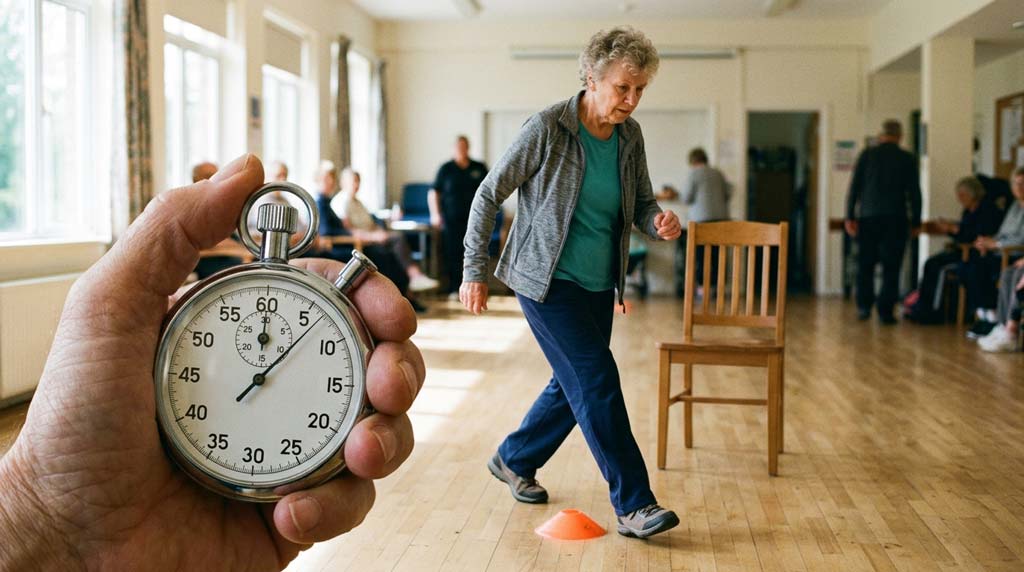
Some 80-year-olds have physical and mental capacities that compare well with those of 30-year-olds, together known as intrinsic capacity. Others of the same age need extensive help to dress and eat. Yet ageing’s effects are only loosely tied to age in years, and some people lose capacity much earlier than others. A birthday, in other words, says little about what a body and mind can still do.
Tracking health in later life through disease can mislead. Better healthcare means more people now survive conditions that once killed them. As a result, disease rates in older groups rise, even though the trend is positive. At the same time, ageing often reduces physical or mental capacity even without disease.
Older people’s priorities point in the same direction. Many rank functioning and independence as the outcome they value most, ahead of avoiding disease or even living longer. Function also shapes how socially engaged people stay, and what they contribute economically. Estimating function from disease, by giving each condition a standard disability weight, produces only generic figures. Such figures cannot reflect differences in healthcare between places, or across time.
The World Health Organization (WHO) set out to change this in its 2015 World Report on Ageing and Health. It aimed to shift the care of older people from a disease-centred approach to a function-centred one. The report also challenged stereotypes of older people as dependent and all alike. Instead of grouping people by age, it proposed grouping them by capacity: high and stable, declining, or significantly lost.
By age 60, the major burden of disability and death comes from losses in hearing, seeing and moving. Conditions such as dementia, heart disease, stroke, diabetes and osteoarthritis (painful wear of the joints) add to that burden. Seeing older people through their capacity helps keep services focused on the outcomes that matter most in daily life. It can also help avoid unnecessary treatments and polypharmacy (taking many medicines at once), along with their side effects.
Whether people are gaining healthy years remains disputed. WHO evidence suggests the share of life spent in good health has stayed broadly constant. That implies the extra years people now live are spent in poor health. Among 14,710 English adults over 60, however, people born later entered older age with more capacity and declined less steeply. A 68-year-old born in 1950 outscored a 62-year-old born ten years earlier. Similar gains appeared among 11,411 older adults in China.
Averages hide wide differences. Health gains tend to be larger in more socioeconomically advantaged groups. For some, 70 may be the new 60. For many others, it may still be the same 70, or worse. Nor are the gains guaranteed to last, since risk factors may be worsening among people now in midlife.
Decline itself is common. Across 15 studies of 33,070 adults over 60 living in the community, 67.8% showed decline in these capacities. Rates ran from 54.9% in Japan to 84.3% in India.
Intrinsic capacity offers a way to spot these differences earlier, before they show up as lost independence. It remains a developing idea, however. Researchers still debate which parts it contains and how to score them. It overlaps with frailty (heightened vulnerability to stresses such as illness) and everyday function, yet measures something different. Its links with future health are clearer than the evidence on what raises it.
What intrinsic capacity means
The 2015 World Report named the concept but did not define its parts or how to measure them. Part of the confusion lies in one word. The International Classification of Functioning, Disability and Health already used ‘capacity’ for performance in a standard setting.
The World Report meant something wider: every personal attribute that might feed a person’s functioning. That includes biological features that may never show up as visible performance. The ambiguity suited policy, but it has caused problems as the idea moves into clinics and laboratories.
No definition has been universally agreed on yet. Still, a 2024 analysis of the concept identified four key features. It points towards healthy ageing as its goal. It reflects a person’s physiological reserve (the spare capacity the body can call on under strain). It spans several dimensions that interact with one another. And it follows a path that can change, and even reverse, over time.
Viewed through intrinsic capacity, health can be measured by whether or not a disease is present. The measure reflects both underlying ageing and treatments that soften a disease’s impact. A person with hip osteoarthritis might once have been severely disabled. After a joint replacement, the same person may now regain high movement capacity.
Capacity also falls without disease. In 2,560 English adults over 60, people without any diagnosed condition still scored lower at older ages. Chronic conditions lowered scores further, especially later in life, and dementia had the largest effect.
In 376 Chinese adults aged 50 to 97, lower scores were linked to more diseases and more medicines. Once age was accounted for, those links disappeared. The links with walking speed, thinking, low mood, fatigue and difficulty with daily tasks remained.
Nor does capacity only move downwards. In a Hong Kong senior community, more than 60% of 1,588 older adults changed state at least once. Over five years, 12% changed every year, and 35% both improved and declined at different points. Over four years in China, 29.4% of 1,906 older adults improved, 38.5% held steady, and 32.1% declined.
Other populations show far less recovery. Among 14,923 adults over 65 in Latin America and China, most followed a worsening path over about four years. Only about 3% moved to a healthier pattern. A 2025 review of 13 long-term studies found decline was the most common path overall. Yet paths tracked through separate areas of capacity, such as movement or memory, fluctuated. That challenges the idea of a steady, one-way slide.
Over 21 years, average capacity in 754 American adults over 70 fell from 77 to 11, out of 100. Individual paths ranged from stable, or even improving, to steep declines within a few years.
Acute illness, changes in surroundings and personal events can all shift capacity. In a Beijing community, among older people whose capacity worsened, 38.5% had been admitted to hospital. Some 34.9% had unplanned medical visits, and 3.7% had lost a spouse.
A hospital stay can erode several capacities at once, even when the illness itself is treated successfully. Around one third of older adults lose the ability to manage basic daily activities alone during a hospital stay. Rapid muscle loss, called acute sarcopenia, affects 15% to 20% of older patients. Admission also raises the risk of delirium (sudden confusion) and of declining memory and thinking.
Where a person starts in later life is shaped decades earlier. About 75% of the diversity in older people’s capacity and circumstances comes from advantage and disadvantage built up across life. Family background, sex, ethnicity, education and money all play a part. Some variation is genetic, but most comes from physical and social surroundings, from childhood or even before birth.
In England and China, most generational improvement came from people entering older age with greater capacity. Greater educational opportunity in childhood may explain this. In China, early-life factors directly explained around 14% of inequality in older adults’ capacity. They explained a further 29% through their effect on adult income and social position.
The level of intrinsic capacity and its rate of decline probably have different causes. The starting level reflects capacity built up over a lifetime. The speed of decline reflects ageing processes and risks that can be changed. For that reason, some researchers argue that policy and research should target change over time, rather than static scores.
Personal circumstances shape both the level and the path. Pooled data (results combined across studies) from adults over 60 identified ten risk factors for decline. They included older age, high blood pressure, diabetes, female sex and low education. Living alone, smoking, irregular exercise, being unmarried and osteoarthritis completed the list.
Yet overall rates of decline were almost identical in men and women, at 56.4% and 57.8%. In Hong Kong, older women did better on hearing and mood, while men did better on thinking, vision and movement. Being married was linked with a lower chance of deterioration. Women, however, were less likely to recover from mild impairment. More chronic diseases made improvement less likely, whereas good self-rated health made it more likely. Social participation and financial security were associated with better outcomes.
Age raises risk, but decline is not confined to the very old. In Hong Kong, impairment rose from 76.9% at ages 60 to 64, to 92% at 85 and over. Yet in pooled data, 54.0% of under-75s already showed decline, compared with 67.6% of older adults. The difference was not statistically significant, meaning chance could explain it. Multiple conditions add up, too. Decline appeared in 62.5% of older adults with five or more chronic conditions, against 30.9% without multiple conditions.
The causes of decline remain poorly understood. Most studies of influencing factors take a single snapshot, which cannot establish cause and effect. Research is also concentrated in mainland China, and neighbourhood design and wider policy are rarely examined in depth. The biology behind decline has barely been studied at the level of molecules, genes or metabolism.
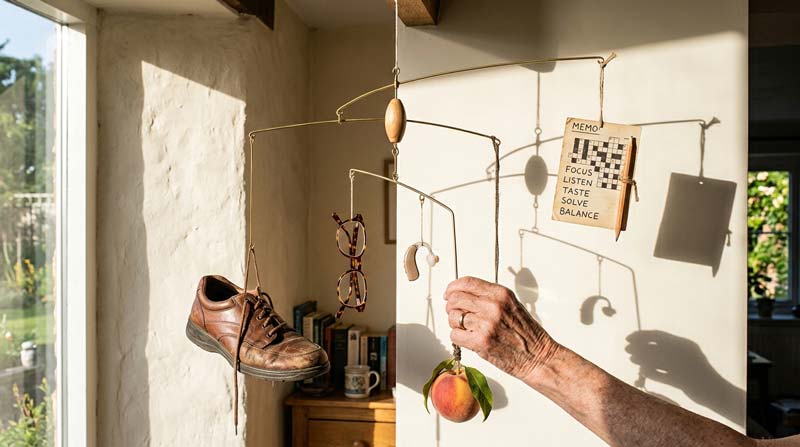
The five domains of intrinsic capacity
The WHO’s own monitoring indicator lists six capacities but measures only five. Its list names movement, thinking, mood, vision, hearing and vitality. When the data are collected, however, vision and hearing merge into a single sensory score. The WHO’s integrated care guidelines also list vision and hearing as separate areas.
Vision and hearing may not belong together at all. When researchers tested screening questions with 1,032 older adults in Spain, the two did not form one domain. Their causes and consequences differ, so the researchers had to consider six domains instead of five.
Other evidence supports the five-part model. A model of common health measures in 2,560 English adults found one general capacity, with five related parts beneath it. Together, the five explained 86% of the variation in those measures. Simpler models with one to three parts fitted the data poorly. The domains were chosen because the body functions behind them are most strongly linked to loss of function and the need for care.
Most studies treat intrinsic capacity as one underlying quality that shows itself through the domains. Some researchers argue it works more like a total, built from separate parts. Losing vision lowers overall capacity, while overall capacity does not cause vision loss. On that view, a combined score earns its place only if it adds information beyond the individual domains.
The five parts may also miss some aspects of capacity. Energy levels resist objective measurement, and continence and heart capacity need tests beyond most surveys.
- Movement (Locomotor Capacity)
The WHO defines locomotor capacity as a broad set of attributes: endurance, balance, muscle strength, muscle power and joint function. Mobility problems affect 39% of people over 65, more than three times the rate in working-age adults. Muscle mass peaks in early adulthood and tends to decline afterwards, which can weaken strength and joint function. Among older adults in Mexico, mobility was the most commonly impaired domain, affecting 47.6%.
In Chinese adults screened with a WHO tool, capacity was linked with walking speed and grip strength. It showed no link with lean mass, body fat or fat around the organs.
- Energy and Nutrition (Vitality)
The WHO describes vitality as the body’s physiological state of energy and metabolism. However, this view is shifting. Vitality is increasingly seen as a background reserve from which the other four domains of intrinsic capacity draw. Its measures sit deeper in the body, including lung function and haemoglobin (the oxygen-carrying protein in blood). Grip strength also fits here, because it acts as a marker of nutrition, immunity and hormone status.
Malnutrition, a key threat to this domain, affects 22% of older adults. It reduces muscle and bone strength, raises the risk of frailty, and is linked with poorer thinking and self-care. Loss of taste and smell, poor oral health, loneliness and depression all raise the risk. So does a declining ability to chew and swallow.
Weight can hide the damage. After 60, weight tends to fall mainly because of lost muscle and lean tissue, while fat increases. A stable weight can therefore mask real losses. Older people who eat too little protein face higher risks of sarcopenia (muscle loss), osteoporosis (fragile bones) and weaker immunity.
- Sight and Hearing (Sensory Capacity)
The WHO describes vision capacity as the clarity and sharpness of sight, crucial for daily life and independence. Hearing capacity is the ability to perceive sound, critical for conversation and social contact. Worldwide, more than 180 million people over 65 have hearing loss that interferes with normal conversation.
Cataract (clouding of the eye’s lens) affects 79% of people over 60 and 90% of those over 70. It is the leading cause of vision loss in later life. About one third of older people live with some hearing loss. Yet it is largely undetected and undertreated, even though it can generally be managed well. Left untreated, it affects communication and can contribute to isolation, anxiety, low mood and loss of independence.
- Memory and Thinking (Cognitive Capacity)
The WHO counts memory, attention, perception and language within cognitive capacity. It also includes orientation (knowing the time and place) and executive function (planning and organising). Many of these functions begin to decline at a relatively young age, each at its own pace.
Mild cognitive impairment (memory or thinking problems short of dementia) leaves daily life largely intact. Even so, it precedes dementia in up to a third of cases. Thinking and movement also run on different timetables. Cognitive decline begins 15 to 25 years before death, whereas walking and grip strength keep deteriorating throughout.
The most commonly impaired domain varies between populations. Among 376 relatively healthy Chinese adults over 50, cognition was the most commonly impaired domain (46.8%). Mobility followed, at 25.3%.
- Mood and Outlook (Psychological Capacity)
The WHO’s definition of psychological capacity is wide. It includes self-efficacy (belief in one’s own abilities), resilience, hope, optimism, mood, autonomy, identity and spirituality. Later life strains it through changing roles, shrinking social networks, loneliness and stress.
Subthreshold depression means several depressive symptoms for at least two weeks, without meeting the criteria for major depression. It affects nearly 1 in 10 older adults, rising to 30% in medical and long-term care settings.
Most tools measure this domain by screening for depression, which leaves a gap. Having no depression does not mean a person is happy. Positive wellbeing is linked to general health and even survival in older people. One Dutch scoring system chose self-efficacy over depressive symptoms, possibly because depression overlaps with strength, disability and thinking.
How the Domains Pull on Each Other
Slower movement and weaker muscles raise the risk of falls. Fear of falling can follow, activity drops, and muscle wasting and joint stiffness speed up. Capacity then weakens further, and the cycle repeats. Malnutrition can damage movement and thinking together, through muscle loss and chemical stress on the brain and nerves. Severe pain works indirectly, by limiting physical activity and social life.
Hearing and thinking appear closely linked. Hearing loss may affect cognition directly, through reduced sound input, or indirectly, through isolation and depression. Mood and appetite tend to fall together as well. Part of that link reflects measurement: appetite loss is used to score nutrition, yet it is also a depression symptom. Shared biology may contribute too, as the brain chemical serotonin influences both appetite and mood.
Even walking draws on the mind. Walking speed can drop when a person is asked to count backwards at the same time. Continence, too, depends on mobility, thinking and motivation, as well as on the bladder itself. The links have limits, however, since impairment in one domain does not necessarily impair others.
How intrinsic capacity differs from functional ability and frailty
The WHO measures healthy ageing mainly through functional ability, the capabilities that let people be and do what they value. It covers a person’s ability to meet basic needs and to learn, grow, and make decisions. It also covers the ability to be mobile, to build and maintain relationships, and to contribute to society.
Functional ability has three parts: a person’s intrinsic capacity, their environment, and the interaction between the two. Environment here means everything outside the person, from home and neighbourhood to attitudes, policies and services.
Capacity is the foundation, and functional ability is how that foundation shows up in a given setting. Both decline with age, but functional decline is steeper in people with lower capacity. The model assumes capacities fade with age while environmental barriers grow more burdensome. The gap then widens between what an older person could do and what they actually do. As of 2019, however, the WHO had not specified how to measure the environment’s part in that equation.
The immediate neighbourhood grows in importance with age. As activity space shrinks and mobility declines, the oldest people rely more on what lies close to home. That neighbourhood can act as either a barrier or a support.
The two measures also behave differently over time. In 1,839 adults in Taiwan, capacity fell from 86.0 to 80.5 out of 100 over about 6.5 years. Over the same period, functional ability barely moved, from 99.9 to 99.3. Both predicted death over the following decade. Yet the link between functional ability and death weakened once smoking, drinking and disease were considered. The link with capacity held. The pattern fits the idea that surroundings and modifiable habits shape functional ability, while capacity reflects lost personal reserves.
Everyday measures of function struggle to separate the person from the setting. One common question asks how easily someone uses a phone, yet phones themselves have changed over time. Losses in daily activities also tend to appear only after very significant decline. Because capacity is measured on a continuous scale, it can detect milder, earlier limits in relatively healthy people. It is thought to fall before any loss of function becomes visible to clinicians.
| FEATURE | INTRINSIC CAPACITY | FUNCTIONAL ABILITY | FRAILTY |
|---|---|---|---|
| What it describes | The physical and mental capacities a person can draw on | What a person can actually be and do in their setting | Heightened vulnerability to internal and external stresses |
| Includes surroundings? | No: the person alone | Yes: capacity, environment and their interaction | No: the person’s own state |
| Starting point | Strengths: what remains | Real-life abilities | Deficits: what has built up |
| Typical use | Tracking change over years | The WHO’s central measure of healthy ageing | One-off assessment, often of hospital patients |
| Can it improve? | Each domain carries the potential to improve | Yes, through capacity, surroundings or both | Potentially reversible, though index scores change little |
Frailty is a clinical condition marked by heightened vulnerability to internal and external stresses. It is commonly measured in two ways. The frailty phenotype (a defined physical profile) checks five set signs and classifies people as frail, pre-frail or robust. The Frailty Index instead counts deficits, from symptoms and diseases to disabilities and abnormal test results. A theoretical definition is almost universally agreed, yet there is no consensus on which tool to use.
The WHO built intrinsic capacity partly on decades of frailty research in geriatric medicine (medical care for older people). The framework had four aims:
- One was to spread a broad approach to older people beyond geriatric medicine, including in countries with few geriatricians.
- Another was to frame ageing positively, focusing on functions rather than deficits.
- A third was to follow trajectories over time, instead of debatable cut-off points at a single moment.
- The fourth was to encourage people to take charge of their health early, supporting prevention in the community.
The framework also tried to escape the stigma attached to frailty. Frailty was designed to include older people in treatments they might otherwise be denied. Yet it is increasingly used for triage (deciding who gets treatment) to rule people out.
The two concepts look like mirror images: one counts reserves and the other counts deficits. Researchers argue they work better as partners. Frailty may mark the point where capacity has fallen far enough to leave someone extremely vulnerable. Monitoring capacity could therefore help detect someone becoming frail. Measuring capacity in people who are already frail can also inform a care plan built around their priorities.
The scoring logic differs too. Frailty indices usually add deficits together without accounting for how they relate. Intrinsic capacity, by contrast, is built as a strengths-based measure. The frailty index predicts poor outcomes well, but its reversibility is limited. Each capacity domain, meanwhile, can recover and improve.
Healthspan (the years lived in good health) is a related idea. Worldwide, gains in life expectancy have not been matched by gains in healthspan. Researchers have proposed intrinsic capacity as the core health outcome for healthspan research. It captures the functioning older people value most. Trials using it would also need far shorter follow-up than trials waiting for disease to appear.
Biological age is a separate question. Capacity is designed as a functional measure, yet it appears to rest on biology. Allostatic load (the wear on body systems from chronic stress) is linked with lower capacity. Inflammatory markers and certain genes have also been tied to capacity and its parts. Some researchers suggest that a total measure of vitality might capture a person’s biological age. Frailty, too, has been proposed as a marker of biological ageing.
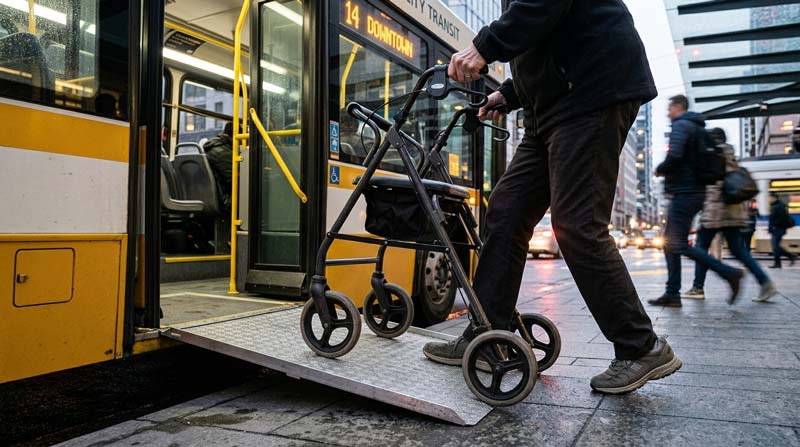
How researchers measure it
In long-term studies of older adults, researchers have used 60 different tools to measure movement alone. They used 50 for thinking, 42 for mood, 33 for the senses and 54 for vitality. Vision and hearing were self-reported in 79% of studies and tested directly in only 15%. Scoring divided almost evenly. Some 46% of studies counted impaired domains, while 43% built a composite score (one number combining all domains).
Most studies tracking capacity over time also reanalysed older data never designed to measure intrinsic capacity. Key information on some domains may therefore be missing. The most common tools include walking speed and chair-rise tests for movement, and grip strength for vitality. Short memory tests, depression questionnaires and self-reported vision and hearing cover the rest. In English data, movement tests and grip strength best distinguished people with higher and lower capacity. In Dutch data, walking speed was most strongly linked to later functional decline.
Health professionals often miss early markers such as slower walking or weaker muscles. Most lack guidance or training to recognise and manage these declines. The WHO’s Integrated Care for Older People (ICOPE) approach offers a quicker route. Its screening tool is brief and flags anyone with a problem in any domain.
The tool was built for case-finding (spotting people who need care) in clinics. It was never meant to measure capacity across adult life, or to catch change before problems appear. It also produces no quantifiable score, which limits its use in research. The screen rests on six simple checks, each marked as passed or failed.
- Memory and Orientation: The person answers two questions about time and place, then tries to recall three words. In a Spanish study of 1,032 older adults, only 18% passed the recall item. On that basis, more than 80% could be flagged for a thinking problem.
- Mobility: The person stands up from a chair five times and must finish within 14 seconds. It is the only check that measures physical performance directly. The others rely on answers to questions, or on hearing a whisper.
- Nutrition: Weight loss of more than 3 kg over three months, or a loss of appetite, counts as decline. This single check stands in for the whole vitality domain. Yet the WHO’s own handbook defines vitality far more broadly, including metabolism, muscles, nerves, immunity and stress responses.
- Vision: The person reports any eye problems, difficulty seeing far or reading, eye disease or current eye treatment. Because the answers are self-reported, they are less accurate than direct sight tests.
- Hearing: The check uses a whispered-voice test, and failing to hear the whisper counts as decline. Other studies use self-reported hearing instead, which changes how many people are flagged.
- Mood: The person is asked about feeling down, depressed or hopeless, or losing interest or pleasure, over two weeks. Fuller assessments often use a depression questionnaire with 4, 15, or 30 questions.
Failing any single check counts as a decline in intrinsic capacity. The screen is designed as a first step. In the WHO’s approach, anyone flagged then receives a fuller assessment of their capacity, health, surroundings and priorities. Any confirmed decline triggers a medical check for linked conditions such as diabetes, lung disease or dementia.
The two steps give different pictures. In Hong Kong, the quick screen flagged 72.7% of older adults, while the detailed assessment confirmed problems in 66.4%. In a small Chinese pilot, the screen caught most people with physical difficulties. However, it also flagged about half of those who were not frail. Its accuracy and ability to predict outcomes remain uncertain.
Other signs can also warn of decline. Reduced grip strength, malnutrition, high levels of pain and frequent hospital stays all feature. Older adults who report fatigue face a significantly higher risk of decline.
No agreed method exists for turning several domains into one total. Studies add up impaired domains, average rescaled scores, or build statistical scores. Simple sums are easy to understand, but they treat every domain as equally important. Statistical scores weight each measure, but depend on the sample used to build them. Many trials report z-scores (distance from the study group’s average), which carry no units. A change in such a score is hard to translate into a real-world benefit.
Weighting changes results too. When a Taiwanese team weighted domains by their link with lost independence, chair rises and depressive symptoms counted double. A single total can also hide danger. Someone’s thinking may fall too low for them to live without support, while strong scores elsewhere keep their total high. The separate domains therefore still need checking before judging any change in a total.
The WHO’s own population indicator combines 26 measures across five subdomains, from lung function to recall tests. A person counts as having high capacity if their scores predict a low chance of needing care. The WHO rates this indicator Tier III, meaning global standards are still evolving. It warns that estimates shift with the tools, cut-offs, weights and scoring rules chosen. In the 15 community studies that produced a pooled rate of 67.8%, individual rates ranged from 17.1% to 98.2%.
Testing conditions, interviewer practice and passing illness can sway performance tests. Self-reports, meanwhile, reflect memory errors, personal preferences and cultural norms. Analyses that need complete data can also exclude the people in the poorest health. A single measurement gives only a snapshot, so it cannot show decline, recovery or resilience. Because capacity can swing, long gaps between assessments risk missing changes and the best moment to act.
Trials face the same problem. A 2024 review of seven trials to improve intrinsic capacity found 28 different outcomes, measured with 55 different tools. None defined what size of change would count as clinically meaningful. Despite this, different models built from different tests all predict key health outcomes. One research team suggested that covering all the domains outweighs matching the exact tests.
Blood tests may eventually add detail. Raised levels of interleukin-6 (a signalling protein involved in inflammation) have been linked with decline across several domains. However, such testing is costly, relevant studies are few, and findings on specific markers conflict. Genetic research has also identified 10 new DNA regions associated with capacity.
Researchers now call for short, sensitive measures that catch early change in everyday settings. Proposals include game-based thinking tests, movement sensors and digital tracking of mood and fatigue. Routine monitoring could then work like a child’s growth chart, flagging when an older adult’s path veers from normal.
What lower capacity may predict
In 4,545 English adults over 60, a two-point lower capacity score carried risk similar to an arthritis diagnosis. On that scale, the average score was 50, and most people sat within 10 points of it. Higher scores predicted better outcomes up to 14 years later. That held even after accounting for age, sex, wealth, education, smoking, alcohol, activity and existing conditions.
Each point higher meant 7% to 10% lower odds of difficulty with daily activities four and eight years later. It also meant a 2% lower risk of death and a 1% lower risk of hospital admission.
A pooled analysis of 37 long-term studies covered 206,693 adults aged 60 and over. Higher intrinsic capacity went with less later difficulty in both basic and more complex daily activities. It also went with a markedly lower risk of death. Basic activities include walking about, eating, dressing, washing and using the toilet. Instrumental activities (the more complex tasks of independent living) include shopping, cooking, managing money and taking medicines.
The researchers also translated their results into people. They assumed that 450 in every 1,000 older adults would lose some daily-living ability. Under that assumption, higher capacity meant 145 fewer people losing basic abilities. It meant 168 fewer people losing the more complex abilities. The associations were moderate, and over 90% of participants came from the general population. The results may therefore apply less well to hospitals or care homes.
All of these findings are associations. Lower capacity marks higher risk, but these studies cannot show that it causes the outcomes. Nor can a group average predict what will happen to any one person.
Among 1,839 adults in Taiwan, low capacity went with nearly twice the risk of death over 8.5 years. That held after accounting for age, sex, education, smoking, drinking and disease burden.
Several studies also found that capacity predicts poor outcomes better than a count of a person’s diseases. In 2,560 English adults, capacity predicted new loss of daily activities two years later, even allowing for chronic conditions. Less than 9% of its effect ran through having several diseases. Age showed a similar pattern. More of age’s effect on losing complex daily tasks ran through capacity than acted directly. Among people with high intrinsic capacity, age in years was not significantly linked with losing those tasks.
Individual domains predict different outcomes. In one community study, poor thinking, limited mobility, poor vision and depressive symptoms each predicted new disability. Poor vision predicted repeated falls, and limited mobility predicted poorer quality of life.
Loss of movement often marks the start of decline. Among 14,923 older adults across Latin America and China, decline mainly in movement was associated with 82% higher odds of frailty. The chance of new disability was about 18% with high capacity, against 28% with movement-led decline. It reached 45% where wide decline came with memory problems. Nobody in that last group moved back to a better pattern during follow-up. The researchers described memory problems alongside other losses as a possible point of no return. People who lose mobility but keep their thinking may still manage well, using aids or home changes. Combined decline in movement and thinking can erode independence rapidly.
Twenty years of national data from Taiwan add detail. Physical and cognitive decline with depression went with higher risks of death and of falls. Severe decline across all domains carried the highest risk of losing daily abilities and of death. Yet that group had no higher risk of falls, possibly because limited mobility left fewer chances to fall. Hearing loss with cognitive decline hit quality of life hardest, but did not raise the risk of death.
A combined score may add little to its parts. Over three years in 1,032 Spanish adults, the overall screening score added nothing once researchers considered individual domains. Only mobility, measured by chair rises, predicted dependence, and no domain predicted hospital stays.
A French study also found mobility was the only screening domain predicting dependence. In nursing home residents, most domains predicted death and falls on their own. Analysed together, only movement and vitality still did. Whether a combined score has more clinical value than the domains remains unresolved.
Capacity also predicts how older people fare in hospital. Among 269 hospitalised older adults, higher capacity was associated with fewer complications, shorter stays, and more discharges home. It also went with a lower risk of dying in hospital. In 570 patients aged 75 or more, higher capacity at discharge went with lower risk of death within a year. That link weakened once researchers considered capacity on admission. Capacity at discharge showed no link with emergency visits or readmissions.
The direction of travel also matters. Across three studies, people whose capacity held or improved were less likely to lose complex daily abilities. No such link appeared for basic abilities, and with so few studies, firm conclusions are not possible. In Taiwan, people with dysfunction in all domains reached severe dependence after a median (middle value) of 2.5 years. Those with high, stable capacity took more than three years. Among low-income older adults in Hong Kong, a faster decline in capacity was linked to a faster decline in independence.
The size of these links varies between studies. Among American adults over 70, each point lower meant a 5% higher risk of death over 21 years. In a Belgian clinic sample, each point higher on a four-domain score went with 49% lower mortality. One point can represent very different amounts of capacity on different scales. Most studies also followed people for relatively short periods.
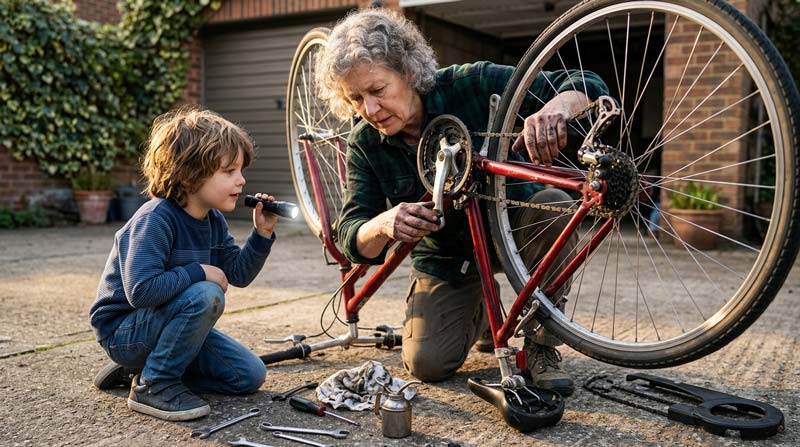
What may help preserve it
Hospital patients averaging 87 years old exercised for a median of four days, and their capacity improved. The two pooled trials included 570 adults aged 75 and over. Compared with usual care, scores rose by 7.74 points out of 100. Every domain improved, and no harmful effects of exercise were reported.
The benefit differed between the two trials, at 9.8 and 3.3 points. Patients with severe limitations before admission were excluded, although earlier research suggests they may benefit most.
Trials aimed at intrinsic capacity as a whole remain few. Almost all have tested exercise, and none has tested a medicine. An umbrella review (a review of reviews) of 6,407 articles found the same imbalance across domains. Mobility programmes were the most studied, and strength training reliably improved movement in frail older adults. Robust evidence was lacking for other domains, especially the senses and continence. Ranked from strongest to thinnest evidence, six approaches stand out.
1: Multicomponent Exercise
The WHO strongly recommends exercise that combines progressive strength training with balance, flexibility and aerobic work. For people with declining physical capacity, pooled trials show gains in leg strength, balance, walking speed and chair rises. Everyday activities improved too. Strength training alone improved leg strength and chair rises, while tai chi improved balance only. Across 59 trials involving 13,264 older people, exercise also helped prevent falls. The WHO notes that strength training also indirectly protects against depression and memory decline.
In a 12-week home programme called Vivifrail, frail adults averaging 84 with early memory problems improved their combined scores. Movement, thinking and vitality improved, although mood and the senses did not. Frailer participants appeared to gain more, a finding that still needs confirming. In older Japanese adults with memory complaints, aerobic and resistance training helped different domains.
That suggests combining them may maximise benefits. In exercise trials, reported side effects were mainly muscle soreness and joint pain. Serious events occurred at similar rates with and without exercise. For people with severely reduced capacity, exercise in a chair or bed offers a starting point.
2: Integrated Care Programmes
These combine several approaches in one care plan, following the WHO’s ICOPE model. A review of 25 randomised trials (which assign people to groups by chance) suggested such programmes can help maintain capacity. In 30 rural Taiwanese communities, nurses coordinated care for bone health, muscle loss, medicines, exercise, and nutrition. Capacity improved more than with usual care over 12 months, including in people over 80.
Treating bone health alone did not improve overall capacity. However, among those who took bone medication, movement improved. Medicine reviews form a core part of this care, because polypharmacy can erode thinking, movement and mood. Combined physical and cognitive decline has also shown potential to reverse with such programmes in trials.
Results are not uniform. A three-year trial pairing omega-3 supplements with lifestyle advice found no effect on capacity. Its authors blamed low intensity, since participants received activity advice instead of actual exercise training. In community programmes, joining a wider range of activities has been linked with gains in capacity.
3: Nutrition with Exercise
For undernourished older people, the WHO strongly recommends oral supplements combined with dietary advice. These reduced deaths in hospitals and long-term care, though not in community trials. Weight gain improved in both settings, and side effects were mainly stomach upsets. Protein absorption falls with age, so standard intakes may not be enough. Good nutrition also boosts the benefits of exercise.
Beyond undernutrition, most diet evidence is observational, meaning it tracks groups without testing a change. Mediterranean and Okinawan-style diets are linked with higher capacity. In Beijing, each extra daily serving of fruit and vegetables was linked to a lower risk of rapid decline. In another Chinese study, eating meat less than twice a week was an independent risk factor for decline. Whether plant or animal protein serves capacity better is still debated. The link between diet and capacity also appears stronger in men than in women. Shared or family-style meals are suggested for older people who live alone.
4: Correcting Sight and Hearing
Vision screening alone does not help: five trials with 3,494 people found no benefit. Screening plus on-the-spot glasses improved vision. Faster cataract surgery also produced substantial gains, and people with cataract regain full visual function after surgery. For hearing, the WHO strongly recommends screening followed by hearing aids, despite low-quality evidence from two trials. In one trial, a hearing-handicap score improved by 31.1 points with a programmable aid, against 2.2 without one.
Whether hearing aids also protect memory remains unproven. In rural Taiwan, a free eyeglass scheme lifted vision even among people receiving usual care. Access remains a barrier, as many older people in low-income countries have never had an eye examination.
5: Support for Mood and Thinking
Brief talking therapies considerably reduced depressive symptoms across six trials of 826 older adults. These included cognitive behavioural therapy (which works on unhelpful patterns of thought and behaviour) and problem-solving therapy. Behavioural activation (planning rewarding activities) also reduced symptoms. The evidence is low to very low quality, and every trial took place in a high-income country.
Cognitive stimulation (a range of activities designed to improve thinking and social functioning) improved cognition across 17 trials. Because the evidence is low quality and comes mostly from people with dementia, the WHO recommends it only conditionally. The WHO made no recommendation at all on cognitive training, finding the evidence insufficient. Exercise benefits thinking in healthy older adults, but its effect in people with memory problems is less clear.
6: Supplements Targeting Blood Markers
Low levels of the hormone dehydroepiandrosterone sulfate (DHEA-S) and vitamin D are linked to rapid decline. Yet DHEA-S supplements failed to improve thinking in healthy older people. A review of 81 trials found disappointing effects of vitamin D on falls, fractures and bone density. No single factor appears able to counter a decline driven by many body systems at once.
What people can do also depends on where they live. Supportive surroundings let people keep doing what matters to them despite capacity losses. Interventions can work by raising capacity, by removing barriers, or both. Older adults in cities or wealthier regions generally have higher capacity. Better healthcare, recreation and transport there can compensate for declining function. Barrier-free buildings, convenient transport and inclusive policies may slow decline by offsetting limitations and encouraging social life.
In Hong Kong public housing, green space within 200 metres of home was linked to slower loss of independence. So did parks and public transport stops within 500 metres. These findings come from one low-income group, so they may not apply everywhere. Features linked with more physical activity include safe walking spaces, nearby shops and services, and exercising with friends and family. Seeing people of a similar age exercising nearby is also linked with more activity. Home safety assessment and modification cut falls across six trials of 4,208 people, especially when delivered by an occupational therapist.
Social connection appears repeatedly as protective. Active social participation and broad networks provide mental stimulation, emotional support, and someone to monitor health habits. In Mexico and Colombia, family dysfunction went with a 5.7-fold higher risk of decline. During COVID-19 social distancing, people in their 90s and 100s lost movement and thinking capacity.
Stable income, comprehensive health insurance and easier access to healthcare are all associated with better capacity. Better treatment probably helps explain why recent generations lose capacity more slowly in later life. It seems to work mainly by softening the effects of specific conditions, and access remains unequal.
Across 15 European countries, smoking, alcohol, inactivity, low meat intake and insomnia were linked with lower capacity. In one Chinese study, sleeping six to eight hours a night went with a 23% lower risk of decline. In Spain, each extra 15 minutes of moderate-to-vigorous activity was linked to a 0.63% improvement in capacity. Each extra 15 minutes of sitting was linked to a 0.29% increase in the risk of decline.
Timing appears to count. Becoming frail or care dependent can be delayed, slowed or even partly reversed when help comes early. Regular follow-up matters most after major changes, such as moving home or losing a partner. Involving older people in setting their own goals is considered crucial for primary care programmes to work. Yet most intervention evidence comes from high-income countries. In contrast, most older people will live in low- and middle-income countries.
The WHO introduced intrinsic capacity to build care around what older people can do. A decade on, it predicts disability, hospital outcomes and survival, often better than a list of diagnoses. Its measurement is still unsettled, and no single score has been agreed. The firmest evidence for action targets single capacities, above all movement, nutrition and sight. How much of that capacity turns into daily life then depends on homes, neighbourhoods and services.
Older people who believe nothing can be done sometimes stop using health services altogether. The research on intrinsic capacity describes something different: capacity that moves in both directions, often long before independence is lost.
Sources
- Beard JR. Intrinsic capacity: Making health the core outcome of Healthspan research. J Frailty Aging. 2026 Sep;15 Suppl 1(Suppl 1):100175.
- Beard JR, Hanewald K, Si Y, Amuthavalli Thiyagarajan J, Moreno-Agostino D. Cohort trends in intrinsic capacity in England and China. Nat Aging. 2025 Jan;5(1):87-98.
- Beard, J. R., Jotheeswaran, A. T., Cesari, M. & Araujo de Carvalho, I. The structure and predictive value of intrinsic capacity in a longitudinal study of ageing. BMJ Open9, e026119 (2019).
- Beard JR, Officer AM, Cassels AK. The world report on ageing and health. Gerontologist. 2016; 56 Suppl 2:S163-S166.
- Beard JR, Officer A, de Carvalho IA, et al. The World report on ageing and health: a policy framework for healthy ageing. Lancet 2016;387:2145–54. 10.1016/S0140-6736(15)00516-4.
- Belloni G, Cesari M. Frailty and Intrinsic Capacity: Two Distinct but Related Constructs. Front Med (Lausanne). 2019 Jun 18;6:133.
- Campbell CL, Cadar D, McMunn A, Zaninotto P. Operationalization of Intrinsic Capacity in Older People and Its Association With Subsequent Disability, Hospital Admission and Mortality: Results From The English Longitudinal Study of Ageing. J Gerontol A Biol Sci Med Sci. 2023 Mar 30;78(4):698-703.
- Cao X, Yi X, Chen H, Tian Y, Li S, Zhou J. Prevalence of intrinsic capacity decline among community-dwelling older adults: a systematic review and meta-analysis. Aging Clin Exp Res. 2024 Aug 1;36(1):157
- Chang YH, Hung CC, Chiang YY, Chen CY, Liao LC, Ma MH, Hwang JJ, Hsu CC, Li CY, Fu SH, Wang CY. Effects of osteoporosis treatment and multicomponent integrated care on intrinsic capacity and happiness among rural community-dwelling older adults: the Healthy Longevity and Ageing in Place (HOPE) randomised controlled trial. Age Ageing. 2025 Feb 2;54(2):afaf017.
- Clegg A, Young J, Iliffe S, Rikkert MO, Rockwood K. Frailty in elderly people. Lancet. 2013;381(9868):752–62.
- F Lu, S Liu, X Liu, et al. Comparison of the predictive value of intrinsic capacity and comorbidity on adverse health outcome in community-dwelling older adults. Geriatr Nurs, 50 (2023), pp. 222-226
- Giudici KV, de Souto Barreto P, Beard J, Cantet C, Araujo de Carvalho I, Rolland Y, Vellas B. Effect of long-term omega-3 supplementation and a lifestyle multidomain intervention on intrinsic capacity among community-dwelling older adults: secondary analysis of a randomized, placebo-controlled trial (MAPT study). Maturitas. 2020;141:39–45.
- Gonzalez-Bautista E, Llibre-Guerra JJ, Sosa AL, Acosta I, Andrieu S, Acosta D, Llibre-Rodríguez JJ, Prina M. Exploring the natural history of intrinsic capacity impairments: longitudinal patterns in the 10/66 study. Age Ageing. 2023 Jul 1;52(7):afad137.
- Guo W, Meng L, Han J, et al. Intrinsic capacity and its association with predictors among Chinese empty nest older adults in communities: a latent class analysis. BMC Geriatr. 2024;24(1):1008.
- Gutiérrez-Robledo LM, García-Chanes RE, Pérez-Zepeda MU. Allostatic load as a biological substrate to intrinsic capacity: a secondary analysis of CRELES. J Nutr Health Aging. (2019) 23:788–95. 10.1007/s12603-019-1251-5
- Kim J, Lee Y, Kim M, Won CW, Kim MK, Shim JS. Dietary patterns and intrinsic capacity in older adults: a 6-year prospective cohort study. J Nutr Health Aging. 2024;28(8):100314.
- Kurz AF, Leucht S, Lautenschlager NT. The clinical significance of cognition-focused interventions for cognitively impaired older adults: a systematic review of randomized controlled trials. Int Psychogeriatr. 2011;23(9):1364–75.
- Lee WJ, Peng LN, Lin MH, Loh CH, Hsiao FY, Chen LK. Intrinsic capacity differs from functional ability in predicting 10-year mortality and biological features in healthy aging: results from the I-Lan longitudinal aging study. Aging (Albany NY). 2023 Feb 6;15(3):748-764.
- Lo YT, Su HC, Chuenchomnoy C, Liao TW, Wu YL, Tam SH, Liu CH, Chou CW, Yang YC, Chen YH, Chen YC. Umbrella review of nonpharmacological interventions for intrinsic capacity in older adults. Ageing Res Rev. 2025; 108:102742.
- Loyd C, Markland AD, Zhang Y et al. Prevalence of hospital-associated disability in older adults: a meta-analysis. J Am Med Dir Assoc. 2020;21:455–61.
- Lu S, Liu Y, Guo Y, Ho HC, Song Y, Cheng W, Chui CHK, Chan OF, Webster C, Chiu RLH, Lum TYS. Neighbourhood physical environment, intrinsic capacity, and 4-year late-life functional ability trajectories of low-income Chinese older population: A longitudinal study with the parallel process of latent growth curve modelling. EClinicalMedicine. 2021 Jun 16;36:100927.
- Meng LC, Chuang HM, Lu WH, Lee WJ, Liang CK, Loh CH, Hsiao FY, Chen LK. Multi-Trajectories of Intrinsic Capacity Decline and Their Impact on Age-Related Outcomes: A 20-Year National Longitudinal Cohort Study. Aging Dis. 2023 Nov 21;15(6):2697-2709.
- Mitra S, Sambamoorthi U. Disability prevalence among adults: estimates for 54 countries and progress toward a global estimate. Disabil Rehabil. 2014;36(11):940–7.
- Nagae M, Umegaki H, Komiya H et al. Intrinsic capacity in acutely hospitalized older adults. Exp Gerontol. 2023;179:112247.
- Olusanya BO, Neumann KJ, Saunders JE. The global burden of disabling hearing impairment: a call to action. Bull World Health Organ. 2014;92(5):367–73. doi:10.2471/BLT.13.128728.
- Oveisgharan S, Wang T, Barnes LL, Schneider JA, Bennett DA, Buchman AS. The time course of motor and cognitive decline in older adults and their associations with brain pathologies: a multicohort study. Lancet Healthy Longev. 2024;5(5):e336–45.
- Pedro L Valenzuela, Mikel Izquierdo, Nicolás Martinez-Velilla, Fabricio Zambom-Ferraresi, Eduardo Lusa Cadore, Robinson Ramírez-Vélez, Mikel L Sáez de Asteasu, Exercise effects on intrinsic capacity in acutely hospitalised older adults: a pooled analysis of two randomised controlled trials, Age and Ageing, Volume 54, Issue 4, April 2025, afaf082.
- Rico CLV, Quirarte NHG, Ortiz LGC, Hidalgo HC, Valderrama SMC, Rayas LF. Factors associated with the deterioration of intrinsic capacity among older adults in mexico and colombia. Ann Geriatr Med Res. 2024;28(2):156–63.
- Rodríguez-Laso Á, García-García FJ, Rodríguez-Mañas L. The icope Intrinsic Capacity Screening Tool: Measurement Structure and Predictive Validity of Dependence and Hospitalization. J Nutr Health Aging. 2023;27(10):808-816.
- Sanchez-Rodriguez D, Bruyère O, Surquin M, Reginster JY, Beaudart C. Towards a core outcome set (COS) for intrinsic capacity (IC) intervention studies in adults in midlife and beyond: a scoping review to identify frequently used outcomes and measurement tools. Aging Clin Exp Res. 2024 Mar 5;36(1):54.
- Sánchez-Sánchez JL, de Souto Barreto P, Antón-Rodrigo I, Ramón-Espinoza F, Marín-Epelde I, Sánchez-Latorre M, Moral-Cuesta D, Casas-Herrero Á. Effects of a 12-week Vivifrail exercise program on intrinsic capacity among frail cognitively impaired community-dwelling older adults: secondary analysis of a multicentre randomised clinical trial. Age Ageing. 2022 Dec 5;51(12):afac303.
- Sánchez-Sánchez JL, Lu WH, Gallardo-Gómez D, Del Pozo Cruz B, de Souto Barreto P, Lucia A, Valenzuela PL. Association of intrinsic capacity with functional decline and mortality in older adults: a systematic review and meta-analysis of longitudinal studies. Lancet Healthy Longev. 2024 Jul;5(7):e480-e492.
- Stegmann, M. E. et al. Using the Outcome Prioritization Tool (OPT) to assess the preferences of older patients in clinical decision-making: a review. Maturitas128, 49–52 (2019).
- Woo J. Frailty, Successful aging, resilience, and intrinsic capacity: a cross-disciplinary discourse of the aging process. Curr Geriatr Rep. (2019) 8:67–71. 10.1007/s13670-019-0276-2
- World Health Organization. Ageing and health. 1 October 2025
- World Health Organization. Healthy ageing and functional ability: Questions and answers. 26 October 2020.
- World Health Organization (2017). Integrated care for older people: guidelines on community-level interventions to manage declines in intrinsic capacity. Geneva: World Health Organization. ISBN: 978-92-4-155010-9.
- World Health Organization. Integrated care for older people (ICOPE): Guidance for person-centred assessment and pathways in primary care, 2nd ed.
- World Health Organization. Percentage of older people with high intrinsic capacity, over the past year.
- World Health Organization. World report on ageing and health.
- Yu R, Lai D, Leung G, Tam LY, Cheng C, Kong S, Tong C, Woo J. Transitions in intrinsic capacity among community-dwelling older people and their associated factors: a multistate modelling analysis. J Nutr Health Aging. 2024;28(7):100273.
- Yueh B, Souza PE, McDowell JA, Collins MP, Loovis CF, Hedrick SC, et al. Randomized trial of amplification strategies. Arch Otolaryngol Head Neck Surg. 2001;127(10):1197–204.