



For most of the last century, weight loss drugs arrived with promise and left with warnings. Dinitrophenol was welcomed as an obesity treatment in 1934, then banned after numerous deaths. Amphetamines, thyroid hormones and drug mixtures known as ‘rainbow pills’ were withdrawn shortly after approval because of serious side effects.
Later decades repeated the pattern. Fenfluramine, approved in the United States (US) in 1996, was withdrawn about a year later. One in eight people treated with it for more than 90 days showed leaking heart valves. Sibutramine raised the risk of heart attack and stroke in high-risk patients. Rimonabant was refused US registration in 2007 after reports of serious depression and suicidal thoughts. Then, in 2020, Lorcaserin was withdrawn after trials showed more cancers among people taking it. Each failure raised the bar, and regulators now expect new obesity medicines to show favourable effects on heart health.
Meanwhile, the need kept growing. The World Health Organization now counts more than 1 billion people living with obesity. Obesity is defined as a body mass index (BMI, a measure of weight relative to height) of 30 or more. Forecasts suggest 3 billion adults will live with overweight or obesity by 2030, up from 1.6 billion in 2010.
Obesity raises the risk of type 2 diabetes, heart disease, kidney and liver disease, joint problems and many cancers. It is also linked to sleep apnoea (breathing that repeatedly stops during sleep) and mental illness. Across 1.46 million adults, a BMI above 40 doubled the risk of dying, compared with a healthy weight.
Researchers increasingly describe obesity as a chronic disease rather than a failure of self-discipline. Between 40% and 70% of the variation in BMI between people is thought to be inherited. After weight loss, the body burns less energy at rest and hunger rises, making maintenance difficult. That biology may explain why diet and exercise alone are often not enough over the long term.
Into that gap came a class of medicines built on a gut hormone called GLP-1 (glucagon-like peptide-1). Their trial results generated enormous attention, and use has spread quickly. In a 2024 US survey, 12% of adults reported current or past use. Among adults told by a clinician they were overweight or obese, the figure was 22%. In England, around 240,000 people are expected to be offered Mounjaro through the National Health Service within three years.
Newer medicines are now approaching the weight loss achieved with bariatric (weight loss) surgery. Yet their full benefits and risks are still being worked out, and access remains unequal. Weight is also only one measure of success. Body composition, physical function, nutrition, mental well-being and long-term weight maintenance are increasingly treated as outcomes in their own right.
The explanation here draws on published research and official guidance. It is not medical advice, nor a recommendation to start treatment. Behind the headlines sit three questions:
- What these medicines are
- How they work
- Where they belong
Answering them means following a hormone from the gut to the brain, and seeing how a copied signal quietens hunger. It also means comparing trial results with everyday life, where weight loss drugs meet real bodies, budgets and habits. That includes the places where muscle, food and exercise return to the picture, even while the drug is working.
What Are Weight Loss Drugs?
A weight loss medicine reduces body weight by acting on appetite, digestion, metabolism or the signals that connect them. Older weight loss drugs mostly acted either in the body or in the brain, and rarely in both. Orlistat, for example, blocks the breakdown of dietary fat in the gut, so less fat is absorbed. Others act on brain chemicals such as serotonin, noradrenaline and dopamine to make people feel satisfied sooner.
Phentermine, first approved in 1959, boosts noradrenaline and dopamine signalling in the brain’s appetite centre. It was licensed only for short-term use, because obesity was not then understood as a chronic disease. Drugs of this type can also raise blood pressure and heart rate.
The newest medicines take a different approach: they copy hormones the gut releases after a meal. These hormones are called incretins, and these medicines copy GLP-1 and GIP (glucose-dependent insulinotropic polypeptide). Medicines that copy GLP-1 are called GLP-1 receptor agonists.
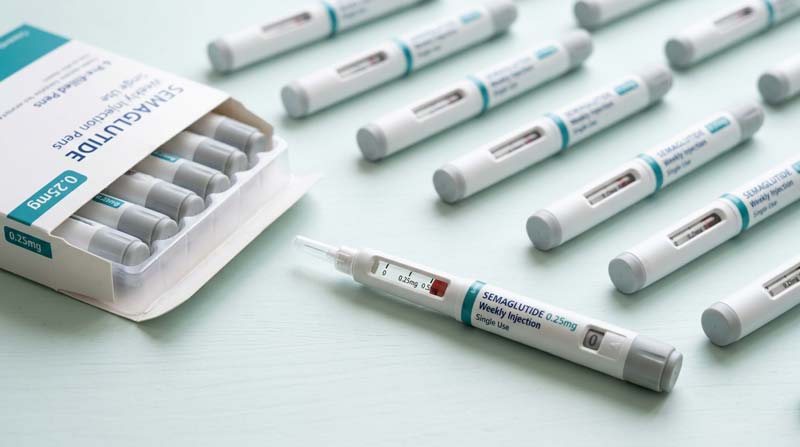
They switch on the same receptor (a docking point on a cell) that the natural hormone uses. Semaglutide and liraglutide belong to this group. Tirzepatide, by contrast, is a dual GIP/GLP-1 receptor agonist, switching on both receptors with a single molecule. In everyday speech, all of them tend to be called ‘GLP-1s’, although no agreed name yet covers the whole class.
The route from discovery to medicine ran through a lizard. Exendin-4, a peptide (short protein chain) found in Gila monster lizard venom, switches on the GLP-1 receptor. Unlike human GLP-1, it resists the enzyme that normally breaks the hormone down within minutes. That discovery led to exenatide, the first GLP-1 receptor agonist, approved in the US in 2005.
It was intended to control blood sugar in type 2 diabetes. Weight loss was noticed along the way, and in 2014 the first GLP-1 medicine was approved for weight management. In the US, Semaglutide followed for weight in 2021, and Tirzepatide, the first dual agonist, in 2023. In the United Kingdom (UK), Wegovy was first authorised in 2022 and Mounjaro in 2024.
A single medicine can also carry several brand names, each licensed for a different purpose:
- Semaglutide: Wegovy for weight management, and Ozempic (injection) or Rybelsus (tablet) for type 2 diabetes.
- Tirzepatide: Mounjaro, licensed in the UK for type 2 diabetes and weight management, and Zepbound, a US weight management brand.
- Liraglutide: Saxenda for weight management and Victoza for type 2 diabetes.
Where a brand is licensed only for diabetes, using it for weight loss is ‘off label’ (outside its approved purpose).
Most of these medicines are injected, but tablets are now available. Some people are reluctant to inject, and oral versions may make treatment easier to accept and continue. Take tablet Semaglutide in the morning with 120 ml of water, 30 minutes before any food. A newer pill, Orforglipron, is a small non-peptide molecule and does not need an empty stomach.
Not every weight loss medicine targets common obesity. Setmelanotide, a daily injection, restores an appetite pathway in the brain that is broken in rare single-gene forms of obesity.
Newer weight loss drugs are prescribed within a medical framework, usually for people with obesity or with weight-related health problems. However, supply problems and high prices have brought unapproved ‘compounded’ versions onto the market. Because their content, quality, safety and effectiveness are uncertain, Canada’s 2025 obesity guideline recommends against using them.
How Weight Loss Drugs Affect Appetite, Satiety and Blood Sugar
Within an hour of a meal, blood levels of GLP-1 rise two to four times. The hormone comes from L-cells, specialised cells found throughout the intestine and concentrated towards the colon. Yet natural GLP-1 lasts only 1 to 2 minutes before an enzyme called DPP-4 (dipeptidyl peptidase-4) inactivates it. Even so, part of its message reaches the brain through the vagus nerve, a direct line between gut and brain.
GLP-1 is one voice among many in the gut-brain axis (the two-way link between digestion and the brain). Before meals, ghrelin drives hunger, and it remains the only known circulating hormone that does so. After eating, a wave of fullness hormones follows, including GLP-1, GIP, peptide YY and cholecystokinin. Slower signals such as leptin and insulin report on how much fat the body is carrying. The hypothalamus (a brain region that regulates hunger and body weight) weighs these signals. Inside it, one group of nerve cells increases food intake, while another decreases it.
With high-calorie modern food, people can eat a great deal before the gut’s fullness signal reaches the brain. That surplus can overwhelm the liver, pancreas, fat tissue and muscle, disrupting the balance of sugar and fat. In obesity, the system itself often becomes unbalanced, with stronger hunger and weaker fullness. Leptin, a hormone released by fat, shows the change. Leptin injections dramatically cut weight in people born unable to make it. In the far more common forms of obesity, however, they barely work. Persistently high leptin levels appear to desensitise the body’s weight-regulating system.
GLP-1 weight loss drugs are engineered to get around the hormone’s short life. Liraglutide carries an attached fatty acid that grips albumin, a protein in the blood. That grip shields it from breakdown and slows kidney clearance. Its half-life (the time for half a dose to clear) is about 12 hours, so it is injected daily. Semaglutide refines the same design and lasts about 160 hours, allowing one injection a week.
Once circulating, these medicines reach the brain’s appetite centres. In animal studies, injected Semaglutide reached brain regions that sit outside the blood-brain barrier (the brain’s protective filter). Semaglutide acts on the hypothalamus and brainstem, which control eating for energy, and on areas behind pleasure-driven eating.
Brain scans in people point the same way. Healthy volunteers given GLP-1 while fasting felt fuller and less hungry. Their brain scans also looked as though they had just eaten, with calmer activity in areas that respond to food. In people with obesity, exenatide dampened the brain’s response to pictures of food, an effect absent in normal-weight people.
Across studies, GLP-1 weight loss drugs cut energy intake by 16% to 39% compared with placebo (a dummy treatment). People describe fewer cravings, less emotional eating and fewer binge episodes. Many also report quieter ‘food noise’, the constant preoccupation with food that can crowd out normal daily life. Preferences also shift, generally away from sweet, savoury, starchy, and high-fat foods. With Tirzepatide, cravings for fast food, sweets and starches fell, while cravings for fruit and vegetables did not.
In mice and rats, GLP-1 drugs increase the energy the body burns. In people, by contrast, the weight loss appears to come mainly from eating less. People taking exenatide for up to 24 weeks ate less, while their energy expenditure stayed the same. Semaglutide cut food intake by 24% over 12 weeks, and most of the resulting weight loss was fat.
Weight loss is not simply a by-product of feeling sick. Less than one percentage point of the weight lost with Semaglutide could be attributed to stomach side effects. Among people on exenatide, the 70% with no stomach symptoms generally still lost weight. Weight and blood sugar also appear to follow separate pathways. In mice lacking GLP-1 receptors in brain cells, liraglutide no longer caused weight loss yet still lowered blood sugar.
GLP-1 also slows gastric emptying (the speed at which food leaves the stomach). In people with poorly controlled type 2 diabetes given GLP-1, a liquid meal barely left the stomach for two hours. Slowed emptying is also thought to explain nausea and vomiting, the most common side effects. However, the slowing fades with continued use, as the body adapts to long-acting medicines. By 20 weeks, Semaglutide 2.4 mg had minimal effect on stomach emptying, yet food intake remained about 35% lower.
Scientists suspected as early as 1906 that the gut sends a sugar-lowering message to the pancreas. By the 1960s, measurements confirmed it. Glucose taken by mouth triggers two to three times more insulin than the same amount given intravenously. This ‘incretin effect’ supplies 50% to 70% of the insulin released after a meal in healthy people. In type 2 diabetes, it can fall to 20% to 30%.
GLP-1 medicines restore part of that signal with a built-in safety catch. They prompt insulin release only when blood sugar is raised. They also lower glucagon, a hormone that raises blood sugar, except when levels are already low. Each action accounts for roughly half of the blood sugar lowering. As a result, on their own, they carry a limited risk of hypoglycaemia (dangerously low blood sugar).
Why GLP-1 and GLP-1/GIP Medicines Matter
For decades, approved obesity medicines added 3% to 7% weight loss beyond placebo after six to twelve months. Only a small fraction of people lost more than 10%, and far fewer more than 15%. Attempts to push beyond 10% at tolerable doses mostly failed, and greater weight loss tended to bring serious side effects.
Semaglutide 2.4 mg broke that ceiling, reducing body weight by 14.9% over 68 weeks, compared with 2.4% on placebo. Tirzepatide went further, averaging 21% weight loss at 72 weeks. In a 2025 analysis of 56 trials with 60,307 adults, only Semaglutide and Tirzepatide produced more than 10% weight loss. Only Tirzepatide increased the share of people losing a quarter of their body weight. At high doses, both medicines reduce weight by about 0.5 kg a week.
For comparison, structured behavioural programmes typically achieve 5% to 10% weight loss, and bariatric surgery 25% to 30%. Researchers suggest GLP-1-based therapies may soon rival surgery as a treatment for obesity and its complications.
Early GLP-1 medicines produced a modest 1% to 3% weight loss in people with type 2 diabetes. Their strong effects on the gut caused sickness that limited the dose, which in turn limited weight loss. Two changes unlocked more: molecules that last longer in the body, and doses raised slowly over weeks. Together, they allowed stronger, sustained treatment, and results improved with each generation.
Tirzepatide added a second hormone to the design. GIP was the first incretin identified, purified from dog intestine in the late 1960s. On its own, a long-acting GIP drug produced only 1.9 to 3.1 kg of weight loss over four weeks. It did so without slowing the stomach or causing nausea and vomiting.
Paired with GLP-1, the two hormones overlap in some actions and differ in others. Both act on the brain’s fullness centre, and both boost insulin. However, GIP tends to store fat directly, while GLP-1 promotes its breakdown; together, they help keep fat cells healthy. Tirzepatide’s balance is deliberately uneven. It matches natural GIP at its receptor but acts about five times more weakly at the GLP-1 receptor. Whether that design, or its longer half-life in the body, explains its stronger results remains unclear.
In a direct comparison, Tirzepatide reduced body weight and waist size more than Semaglutide. Yet how much GIP itself adds in humans remains uncertain. In mice lacking the GLP-1 receptor, Tirzepatide failed to reduce weight, suggesting GLP-1 is the main driver. Scientists still debate whether to activate or block the GIP receptor, since both have lowered weight in animals.
An average loss of about 15% is enough to tackle a broader range of obesity-related complications. For that reason, experts describe medicines reaching it as a new generation of obesity treatment. Trials of weight loss drugs now target knee arthritis, sleep apnoea, fatty liver disease and heart failure.
The next wave of weight loss drugs is already in trials:
- Retatrutide, a ‘triple’ agonist that also targets glucagon, produced up to 24.2% loss over 48 weeks in an early trial.
- Cagrilintide plus Semaglutide, which adds a copy of the fullness hormone amylin, produced 20.4% weight loss at 68 weeks.
- Orforglipron, a daily pill, produced up to 14.7% weight loss over 36 weeks in an early trial.
Still, the longest trials of these medicines have lasted under six years in adults and about one year in adolescents. Natural hormone levels rise and fall through the day, so decades of constantly raised incretin activity carry unknown consequences.
Cardiovascular safety has been shown for GLP-1 medicines, but long-term safety data for the newer combinations do not yet exist. Access also varies widely between countries, and at current prices the medicines are not considered cost-effective in the US.
What Weight Loss Drugs Can and Cannot Do
Of the 13.6 kg lost on average in a major Semaglutide trial, 5.3 kg was not fat. It was lean body mass, which includes muscle, organs, and body water. Because muscle makes up about half of lean mass, roughly 20% of the weight lost was muscle. Meta-analyses (studies that pool many trials) put lean mass at 25% to 33% of weight lost, similar to diet alone. That points to a general response to eating less rather than a drug-specific effect.
Such losses carry the most risk for older people and those with little muscle, whose strength and function can suffer. Rapid, large weight loss can also reduce bone density, especially in older people and women. Drug-induced weight loss can ease the load on joints and breathing but does not guarantee strength, endurance or balance.
The health gains that do follow depend on how much weight comes off:
- Around 5%: blood pressure may drop by about 3 mmHg (millimetres of mercury) on the upper reading.
- 5% to 10%: in type 2 diabetes, HbA1c (average blood sugar over three months) may fall by 0.6% to 1.0%.
- 10% to 15%: fatty liver and obstructive sleep apnoea may begin to improve.
- Beyond that: greater weight loss is linked with better quality of life.
Some benefits appear to reach beyond weight itself. A major heart trial followed 17,604 people with heart disease, a BMI of 27 or more and no diabetes. Over about three years, Semaglutide lowered the combined rate of heart attack, stroke and heart-related death by 20%. In absolute terms, that equals about 16 fewer people per 1,000 having such an event. These heart benefits appear early, before much weight is lost, which suggests other protective processes are involved.
Prediabetes means blood sugar is raised but still below the diabetes range. In people with obesity and prediabetes, Tirzepatide cut progression to type 2 diabetes by 93% over 176 weeks. With Semaglutide, 81% returned to normal blood sugar after 52 weeks, against 14% on placebo. Tirzepatide also reduced breathing interruptions in sleep apnoea by 25.3 events per hour, against 5.3 per hour on placebo. Semaglutide eased knee arthritis pain, and both medicines reduced liver fat in fatty liver disease. Blood pressure, inflammation, and blood fats also improved, while blood pressure did not fall further.
Weight loss from a medicine does not automatically bring better health. Some older weight loss drugs lowered weight yet worsened heart health, while GLP-1 medicines improved it.
Outside trials, weight loss drugs tend to produce smaller results. In manufacturer trials, 83% to 88% of participants were still taking the medicine at around 68 weeks. In US routine care, 33% to 50% are still taking it at one year, and about 15% at two years. Cost, side effects, poor response and supply problems all play a part. In Denmark, only 12% of 110,749 people starting Semaglutide reached the target 2.4 mg dose by their fifth prescription. Yet people who take their medicine consistently achieve weight loss similar to what trials show.
The effects also depend on staying on treatment. In one trial, people lost 20.9% of their weight during 36 weeks on Tirzepatide. Those who continued lost a further 5.5%, while those who switched to placebo regained 14%.
A year after stopping Semaglutide, people had regained about two-thirds of the weight they lost. As the medicine wears off, hunger, cravings and responsiveness to food can return. Stopping Semaglutide early also raised the rate of progression to type 2 diabetes in people with prediabetes. Because most trials last four years or less, researchers estimate effects beyond that point rather than measure them.
Averages also hide wide differences between people. Individual results range from almost no weight loss to 30% or more. Even on the highest doses of the newest medicines, around 10% to 30% of trial participants lost under 10%. People with type 2 diabetes lose 30% to 50% less weight on these medicines than people without it. Women, younger people and those with a higher starting weight tend to lose more.
Why Medical Context and Individual Risk Matter
Guidelines reserve these medicines for adults with a BMI of 30 or more, or 27 plus a weight-related condition. Such conditions include high blood pressure, abnormal blood fats, sleep apnoea, heart disease, prediabetes and type 2 diabetes.
The medicines are intended for people who are not pregnant and whose weight has not responded enough to lifestyle change. A prescription for weight loss drugs also involves checks on body shape, mental health, current medicines and pregnancy plans.
Before the First Dose
BMI alone doesn’t show body composition or where fat is stored. Waist measurements track weight-related disease more closely, and healthy thresholds vary with sex and ethnic background. Canada’s 2025 guideline therefore recommends combining them with ethnicity-specific BMI and any weight-related complications.
Going further, an expert group has proposed separating ‘clinical obesity’ from ‘preclinical obesity’. In clinical obesity, excess fat is already impairing organs or daily activities, and timely treatment is recommended. In preclinical obesity, the excess fat is present without organ damage, and counselling and monitoring may be enough.
Guidance also asks the patient and clinician to agree on goals before starting. These can include lowering heart and metabolic risk, easing a complication, controlling cravings or improving quality of life. Some people reach their goals on less than the maximum dose. Clinicians then weigh each medicine’s benefits, side effects, and warnings against a person’s health and current medicines.
Screening covers the mind as well as the body. Guidance recommends checking for eating disorders, including binge eating, anorexia, bulimia and night eating, before a GLP-1 medicine is started. A history of restrictive eating disorder generally rules these medicines out. Many people’s mood improves as they lose weight. Even so, guidance advises monitoring for worsening mood or suicidal thoughts, and stopping treatment if they appear.
Across trials and large population studies, no clear link with suicide or depression has been found, although regulators keep monitoring. Older, inactive or chronically ill people are also assessed for their risk of losing muscle and bone.
In the UK, the only outright bar to Wegovy or Mounjaro is an allergy to the medicine. Other conditions call for caution rather than a ban. They include past pancreatitis (an inflamed pancreas), severe gastroparesis (very slow stomach emptying) and diabetic eye disease. The US label for Tirzepatide warns about thyroid tumours seen in rats, whose relevance to humans is unknown. It rules the medicine out for people with a personal or family history of medullary thyroid cancer, a rare type. UK and European regulators do not impose that ban, and large real-world studies have found no rise in thyroid cancer.
Existing medicines matter too. With insulin or sulfonylureas (a type of diabetes tablet), these medicines can cause hypoglycaemia, so those doses may need lowering. Tirzepatide may make the contraceptive pill less reliable in people with overweight or obesity. A non-oral or barrier method is advised for four weeks after starting and after every dose increase. Neither medicine should be used in pregnancy. Both linger in the body, so Semaglutide is stopped at least two months before a planned pregnancy. For Tirzepatide, the gap is at least one month.
Surgery needs planning as well. Under general anaesthetic or deep sedation, slowed stomach emptying raises the risk of stomach contents entering the lungs. The American Society of Anesthesiologists has advised pausing weekly GLP-1 medicines a week before planned procedures.
Starting Treatment
When twice-daily exenatide arrived in 2005, heavy nausea and vomiting drove many people to stop. Gradually raising the dose reduced how often those side effects occurred. Wegovy now starts at 0.25 mg a week and climbs to 2.4 mg over 16 weeks. Mounjaro starts at 2.5 mg and rises in 2.5 mg steps, each at least four weeks apart.
In trials, people could stay on a dose for up to eight weeks while side effects settled. With one newer medicine, 24.5% of trial participants stopped a 10 mg dose because of side effects. In another trial that gradually increased the dose, only 5.6% stopped.
Stomach and gut symptoms are the most common side effects. Nausea affects 25% to 44% of users, and diarrhoea 19% to 30%. Constipation affects 17% to 24%, vomiting 8% to 24% and abdominal pain 9% to 20%. Symptoms are most likely in the first weeks and after each dose increase, and usually ease on a stable dose. Fewer than 10% of trial participants stopped because of them. In a Danish pharmacy survey, six in ten Semaglutide users reported side effects, most often nausea and constipation.
Serious effects are rarer. Across 76 trials, gallbladder and bile duct disease rose by 37% in relative terms. In absolute terms, an inflamed gallbladder affected 0.6% of people on Tirzepatide in weight trials, against 0.2% on placebo.
Rapid weight loss itself raises gallstone risk, as it does after bariatric surgery. Most evidence finds no clear increase in pancreatitis, although it remains listed as a possible side effect. Severe, persistent stomach pain is its warning sign and needs urgent medical attention.
Severe vomiting or diarrhoea can dehydrate the body enough to injure the kidneys. Heart rate also rises by about 2 to 3 beats a minute, with unknown long-term consequences. In addition, Semaglutide may be linked to non-arteritic anterior ischaemic optic neuropathy (NAION), a rare but serious cause of blindness.
Beyond the First Months
Close follow-up, ideally every four to six weeks, lets care teams manage side effects and support lifestyle change. If weight has fallen by less than 5% after six months, the licences require a decision about continuing.
Much of the safety evidence comes from people using these medicines for diabetes. People taking weight loss drugs to manage weight are 20 to 25 years younger on average. Their baseline risk of most diseases is lower, so absolute risks will differ. Trials also tend to enrol middle-aged people weighing around 100 kg, under-representing those at greatest risk. Evidence remains thin for pregnancy planning, polycystic ovary syndrome, chronic kidney disease and depression.
Medical oversight also guards against a different risk. The cosmetic appeal of weight loss also invites misuse, as people chase faster, larger losses despite potential harm.

Where Exercise, Nutrition and Behaviour Still Fit
Every licence for these medicines names the same partners: a reduced-calorie diet and increased physical activity. The major trials were built the same way. In one Semaglutide trial, participants aimed for a 500 kcal (kilocalorie) daily deficit and 150 minutes of activity a week. Another added eight weeks of meal replacements and 30 dietitian visits, reaching a 16% weight reduction. With general advice alone, the figure was 14.9%.
Tirzepatide started after a 12-week intensive lifestyle programme produced a further 18.4% loss, against a 2.5% gain on placebo. Including the programme, total reduction reached about 25%, the largest seen in GLP-1 trials so far. Yet ‘intensive’ support is not standardised, which makes trials hard to compare.
The 2026 US obesity guidance found no direct evidence that intensive behavioural therapy adds significant benefit to GLP-1-based medicines. It warns that insurers requiring such therapy before covering the drugs raise concerns about equity, access and stigma.
In routine care, many people receive little nutrition or lifestyle guidance. One study found that 90% of cardiologists had minimal or no nutrition education during specialist training. More frequent, structured nutrition support may explain why trials report larger weight losses than everyday practice.
Alongside weight loss drugs, exercise changes the kind of weight that comes off. In a study of 304 dieting adults, total weight loss was similar with or without exercise. Resistance training (strength work against a load), however, produced the greatest fat loss. It also preserved or even increased fat-free mass (the body minus its fat). In older adults on a diet, combining strength and aerobic training gave the best gains in function, strength and fitness.
The same pattern appears alongside GLP-1 medicines. In a randomised trial, a year of GLP-1 treatment with exercise preserved bone density, while the medicine alone reduced it. The combination also reduced abdominal fat and inflammation more. After diet-induced weight loss, liraglutide plus exercise reduced weight and body fat more than either alone, and improved fitness. However, most direct evidence comes from Liraglutide, and trials of Semaglutide and Tirzepatide have not tested supervised exercise. Much of the case for exercise therefore rests on studies of diet-induced weight loss.
Cardiorespiratory fitness (how well the heart and lungs fuel activity) predicts illness and death independently of body weight. Large drug-induced weight loss may improve fitness relative to body size without raising absolute aerobic capacity unless training is added.
Published advice pairs these medicines with strength training at least three times weekly and 150 minutes of moderate aerobic exercise. Keeping weight off usually takes more, with over 250 minutes a week linked to better prevention of regain.
Everyday movement counts as well, because the energy cost of moving falls as body weight falls. Weight lost with a drug can arrive without any change in how much a person moves. Practical ways to keep daily movement up include:
- adding daily steps
- breaking up long spells of sitting
- walking after meals
- standing during routine tasks and taking the stairs
- adding short bursts of light activity through the day
These complement aerobic and strength training rather than replace them. During the first weeks and after dose increases, nausea and lower food intake can reduce exercise tolerance. Intensity, timing and type of exercise may then need temporary adjustment, with attention to fluids. For older adults, adding balance work to strength training helps reduce falls. Framing exercise around health, energy and independence, rather than appearance, may improve engagement, particularly after experiences of weight stigma.
Eating less on weight loss drugs does not automatically mean eating better. Some people simply eat smaller portions of easy, palatable foods, leaving diets short of protein, fibre, vitamins and minerals.
Deficiency risk rises when intake drops below about 1,200 kcal a day for women or 1,800 for men. Nutrients of concern include iron, calcium, magnesium, zinc, and vitamins A, D, E, K, B1, B12, and C. Warning signs include unexpected fatigue, excessive hair loss, muscle weakness, poor wound healing, and unusual bruising. Routine blood tests are not recommended for everyone, but targeted testing may suit people eating poorly or losing weight fast.
Proposed protein targets rise during weight loss. An analysis of 47 trials linked over 1.3 g of protein per kg a day with maintained muscle while dieting. Below 1.0 g per kg, muscle loss was more likely. For comparison, the standard adult recommendation is 0.8 g per kg. If appetite is low, eating protein first and choosing compact sources such as fish, eggs, Greek yoghurt, and nuts can help. Even so, protein alone is unlikely to protect muscle without resistance training.
No single eating pattern stands out as best during drug-induced weight loss. Mediterranean-style eating is linked to better heart and metabolic health. Low-fat and low-carbohydrate approaches can both work, with success depending mainly on adherence and food quality. Large or fatty meals tend to worsen nausea, bloating and reflux, because fat slows stomach emptying further.
Smaller meals, eaten slowly, may help, as may cutting back on alcohol. For constipation, fibre and fluid may help, with fibre increased gradually. Low hunger can also lead to unplanned fasting, so regular mealtimes are encouraged even without appetite.
Sleep and stress also shape appetite and metabolism. Poor sleep is linked with insulin resistance (a weaker response to insulin), hunger and weight gain. That may blunt some of the benefits of GLP-1 medicines. Similarly, chronic stress raises cortisol, a stress hormone, and drives cravings for comfort foods.
Cognitive behavioural therapy (a talking therapy targeting thoughts and habits) and mindfulness-based stress reduction may help with weight maintenance. Strong social connections may also help by reducing stress and adding motivation and accountability.
Stopping is often unplanned, driven by cost, shortages, side effects or treatment fatigue. For that reason, strategies to hold the new weight are best planned during treatment, before any regain. Regain after stopping is common and does not mean personal failure. The National Institute for Health and Care Excellence (NICE) sets standards for England and Wales.
It expects services to monitor and support people for at least a year after treatment ends. Whether structured lifestyle support can limit regain after stopping has not yet been tested in controlled trials. In one trial, supervised exercise started during liraglutide treatment appeared to help people maintain weight after it ended.
Long-term maintainers in the US National Weight Control Registry share common habits, though these were not studied after GLP-1 treatment. They eat at regular times, eat breakfast, favour minimally processed foods rich in fibre and protein, and avoid sugary drinks. They also tend to be active for at least 60 minutes daily and track their weight, food and activity.
Researchers describe the period of strongest drug effect as a window for building lasting habits. Appetite and the pull of rewarding food are at their quietest, which may make new eating patterns easier to establish. Guidance now treats medication as something to start alongside lifestyle change, as with diabetes or high blood pressure.
A copied gut hormone can quieten hunger, and the newest versions produce weight loss that approaches surgery. What the hormone cannot supply is muscle, fitness, nutrients or the habits that hold weight after treatment ends. Those still come from training, food, sleep and support. In that wider picture, weight-loss drugs are one powerful tool in long-term care.
Sources
- Alexander L, Purnell JQ, Burridge K, Cornier MA, Golden A, Horn DB, Look M, Nadglowski J, Ávila-Oliver C, Novillo F, Rojas-Gómez AM, Hussey B, Salas XR. Joint TOS/OMA/OAC Expert Guidance Statement on the Pharmacological Management of United States Adults With Overweight or Obesity Using the GRADE Approach. Obesity (Silver Spring). 2026 Apr;34(4):851-870.
- Aronne L.J., Horn D.B., Le Roux C.W., Ho W., Falcon B.L., Gomez Valderas E., Das S., Lee C.J., Glass L.C., Senyucel C., et al. Tirzepatide as Compared with Semaglutide for the Treatment of Obesity. N. Engl. J. Med. 2025;393:26–36.
- Aronne LJ, Sattar N, Horn DB, et al. Continued treatment with tirzepatide for maintenance of weight reduction in adults with obesity: the SURMOUNT-4 randomized clinical trial. JAMA 2024;331:38–48.
- Christensen S., Robinson K., Thomas S., Williams D.R. Dietary intake by patients taking GLP-1 and dual GIP/GLP-1 receptor agonists: a narrative review and discussion of research needs. Obes Pillars. 2024;11
- Drucker DJ. GLP-1 physiology informs the pharmacotherapy of obesity. Mol Metab. 2022 Mar;57:101351.
- Eli Lilly and Company. Mounjaro (tirzepatide) KwikPen Summary of Product Characteristics. Electronic medicines compendium (emc). Date of revision of text 9 April 2026.
- Friedrichsen M., Breitschaft A., Tadayon S., Wizert A., Skovgaard D. The effect of semaglutide 2.4 mg once weekly on energy intake, appetite, control of eating, and gastric emptying in adults with obesity. Diabetes, Obesity and Metabolism. 2021;23(3):754–762.
- He L, Wang J, Ping F, et al. Association of glucagon-like peptide-1 receptor agonist use with risk of gallbladder and biliary diseases: a systematic review and meta-analysis of randomized clinical trials. JAMA Intern Med. 2022;182(5):513-519.
- Jensen S.B.K., Sorensen V., Sandsdal R.M., Lehmann E.W., Lundgren J.R., Juhl C.R., Janus C., Ternhamar T., Stallknecht B.M., Holst J.J., et al. Bone health after exercise alone, GLP-1 receptor agonist treatment, or combination treatment: a secondary analysis of a randomized clinical trial. JAMA Netw. Open. 2024;7(6)
- Kokura Y., Ueshima J., Saino Y., Maeda K. Enhanced Protein Intake on Maintaining Muscle Mass, Strength, and Physical Function in Adults with Overweight/Obesity: A Systematic Review and Meta-Analysis. Clin. Nutr. ESPEN. 2024;63:417–426.
- Lincoff AM, Brown-Frandsen K, Colhoun HM, Deanfield J, Emerson SS, Esbjerg S, et al. Semaglutide and cardiovascular outcomes in obesity without diabetes. N Engl J Med. (2023) 389:2221–32.
- Liu QK. Mechanisms of action and therapeutic applications of GLP-1 and dual GIP/GLP-1 receptor agonists. Front Endocrinol (Lausanne). 2024 Jul 24;15:1431292.
- Mallardo M, Messina A, Monda V, La Marra M, Monda A, Allocca S, Casillo M, Di Maio G, Perrone P, Daniele A, Monda M, Messina G, Moscatelli F, Polito R. Lifestyle Medicine as Co-Therapy During Incretin-Based Anti-Obesity Pharmacotherapy: Integrating Physical Activity, Nutrition, and Behavioral Strategies for Long-Term Success. Nutrients. 2026 Aug 22;18(17):2748.
- McGowan B, Ciudin A, Baker JL, Busetto L, Dicker D, Frühbeck G, Goossens GH, Monami M, Sbraccia P, Martinez-Tellez B, Woodward E, Yumuk V. A systematic review and meta-analysis of the efficacy and safety of pharmacological treatments for obesity in adults. Nat Med. 2025 Oct;31(10):3317-3329.
- Mozaffarian D, Agarwal M, Aggarwal M, Alexander L, Apovian CM, Bindlish S, Bonnet J, Butsch WS, Christensen S, Gianos E, Gulati M, Gupta A, Horn D, Kane RM, Saluja J, Sannidhi D, Stanford FC, Callahan EA. Nutritional priorities to support GLP-1 therapy for obesity: a joint Advisory from the American College of Lifestyle Medicine, the American Society for Nutrition, the Obesity Medicine Association, and The Obesity Society. Am J Clin Nutr. 2025 Jul;122(1):344-367.
- Müller TD, Blüher M, Tschöp MH, DiMarchi RD. Anti-obesity drug discovery: advances and challenges. Nat Rev Drug Discov. 2022 Mar;21(3):201-223.
- Muller TD, Clemmensen C, Finan B, DiMarchi RD, Tschop MH. Anti-obesity therapy: from rainbow pills to polyagonists. Pharmacol. Rev. 2018;70:712–746.
- National Institute for Health and Care Excellence (NICE). People need support to keep weight off after treatment ends. 5 August 2025.
- Neeland I.J., Linge J., Birkenfeld A.L. Changes in lean body mass with glucagon-like peptide-1-based therapies and mitigation strategies. Diabetes Obes Metab. 2024;26(Suppl 4):16–27.
- Novo Nordisk. Wegovy (semaglutide) FlexTouch Summary of Product Characteristics. Electronic medicines compendium (emc). Date of revision of text 07/2026.
- Pedersen SD, Manjoo P, Dash S, Jain A, Pearce N, Poddar M. Pharmacotherapy for obesity management in adults: 2025 clinical practice guideline update. CMAJ. 2025 Aug 10;197(27):E797-E809.
- Sisley S, Gutierrez-Aguilar R, Scott M, D’Alessio DA, Sandoval DA, Seeley RJ. Neuronal GLP1R mediates liraglutide’s anorectic but not glucose-lowering effect. J Clin Invest. (2014) 124:2456–63.
- Thomsen RW, Mailhac A, Løhde JB, Pottegård A. Real-world evidence on the utilization, clinical and comparative effectiveness, and adverse effects of newer GLP-1RA-based weight-loss therapies. Diabetes Obes Metab. 2025 Apr;27 Suppl 2(Suppl 2):66-88.
- Wadden TA, Chao AM, Machineni S, et al. Tirzepatide after intensive lifestyle intervention in adults with overweight or obesity: the SURMOUNT-3 phase 3 trial. Nat Med 2023;29:2909–18.
- Wharton S, Calanna S, Davies M, Dicker D, Goldman B, Lingvay I, et al. Gastrointestinal tolerability of once-weekly semaglutide 2.4 mg in adults with overweight or obesity, and the relationship between gastrointestinal adverse events and weight loss. Diabetes Obes Metab. (2022) 24:94–105.
- Wilding JPH, et al. Once-weekly semaglutide in adults with overweight or obesity. N. Engl. J. Med. 2021;384:989.
- World Health Organization. Obesity and overweight. 2024.
- World Obesity Federation. World Obesity Atlas 2025. 2025.