


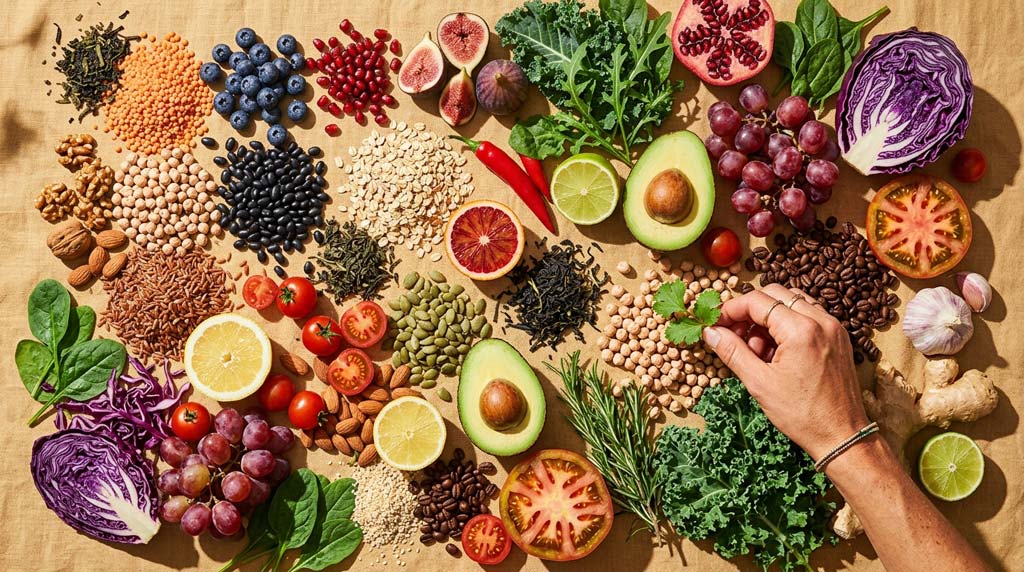
Advice to eat 30 plants a week comes in a world where much of the global diet depends on just four crops:
- Rice
- Potatoes
- Wheat
- Maize
Together, these four crops now provide more than half of the world’s food energy. Yet an estimated 300,000 plant species are edible. Just 12 plants and five animal species provide 75% of the world’s food. Economic pressure to feed a growing population has driven much of that narrowing over the past 50 years.
The narrowing reaches the plate. Pre-industrial and modern rural societies eat between 60 and 120 grams (g) of fibre a day. In contrast, adults in the United States (US) eat roughly half the fibre recommended. Those recommendations are 38 g a day for men and 25 g for women. As processed foods have displaced fibre-rich ones, the bacteria living in the gut have changed too. Researchers think those changes help explain the rise of chronic disease.
Immigrants to the US show how quickly this can happen. Their gut microbiome (the community of microbes living in the gut) took on a Western pattern. It lost species and functions, while body mass index (BMI, weight relative to height) and inflammation markers rose. Diet alone can move things fast. In a two-week swap, African Americans ate a rural African diet. In contrast, rural Africans ate a typical African American diet. Even that brief exchange measurably changed their gut bacteria and cancer-risk markers.
Public health advice has long promoted both amount and variety. The World Health Organization advises at least 400 g of fruit and vegetables daily, or five 80 g portions. Dietary guidelines worldwide also urge people to eat a variety of foods, often phrased as ‘eat the rainbow’.
Yet variety remains poorly defined, even in research. When 240 adults in the United Kingdom (UK) described food variety, 88% talked about eating from different food groups. Far fewer mentioned variety across meals (5%) or within a single course (2%).
Against that vagueness, 30 plants a week offers a number anyone can count. Popular versions tally the plants as ‘plant points’. The target counts different plant foods across seven days, and vegetables are only one group among several. So 30 portions of carrots would score just one.
Hitting that number, however, raises a harder question. Scoring 30, changing your gut microbiome and improving your health are three separate outcomes. Reaching one does not guarantee the next. Researchers still have not agreed on what a healthy gut microbiome looks like. A shift in gut bacteria, therefore, is not automatically a health gain.
Tracing the number back to its source separates what researchers measured from what was later claimed. The same evidence shows what the gut does with extra plants and why some people feel worse at first. It also tests whether variety adds anything beyond eating more plants overall. The findings point somewhere more useful than a pass mark of 30.
Where Does the 30 Plants a Week Target Come From?
Thousands of volunteers paid around $99 a sample to swab their own stool and post it back for analysis. They had joined the American Gut Project, launched in November 2012. It was a citizen-science study (research carried out with members of the public). The goal was to map the microbes people carry ‘in the wild’, using volunteers who chose to take part.
Samples travelled by ordinary post, dry and without preservative, which kept costs down. Some bacteria, such as E. coli, multiply in transit, so researchers removed readings from these ‘blooms’. That removed 7.9% from each sample, and checks suggested the main findings still held.
By May 2017, the project held data on 15,096 samples from 11,336 people. Most lived in the US (7,860), followed by the UK (2,518) and Australia (321), with 42 other countries represented. Among US participants, 7,317 lived in urban areas and just 29 in rural ones.
The volunteers differed from the general public in important ways. They smoked less, were less often obese and had more education and income than average. Hispanic and African American communities were underrepresented. Among 1,800 US participants who completed a detailed food questionnaire, 3.3% reported diabetes, compared with 9.5% of US adults nationally.
Cardiovascular disease (heart and blood vessel disease) showed a similar gap, at 4.5% against 11.2%. Self-reported inflammatory bowel disease (long-term gut inflammation), however, was higher, at 3.6% against 1.3%. Their diets scored well, with only 4% falling below the threshold for a poor-quality diet.
Participants self-reported their diet through an online survey, and all questions were optional. One question asked: ‘In an average week, how many different plants do you eat?’ The answer boxes ran from ‘less than 5’ and ‘6 to 10’ up to ‘more than 30’.
The analysis then compared only the extremes. People ticking ‘more than 30’ were set against those eating 10 or fewer, and everyone in between was left out. In the stool comparison, 42 high-plant eaters had more varied gut bacteria than 43 low-plant eaters. Beyond bacteria, their stool held a wider range of metabolites (small molecules from food, microbes or the body itself).
Plant variety tracked gut diversity, while labels such as ‘vegan’ or ‘omnivore’ did not. The researchers described those labels as having ‘little or no explanatory power’. That unexpected result led to the idea of 30 plants a week.
The study design limits what these results can show. The data are cross-sectional (a single snapshot in time), so they cannot show that diet caused the differences. Food questionnaires also carry built-in measurement error and bias. Only 14.8% of participants completed a validated, picture-based food questionnaire, although their answers matched the main survey well.
Meanwhile, the gene test used, known as 16S sequencing, shows which bacteria are present but not what they are doing. Longer studies and trials in larger, more varied populations are still needed.
A later public summary, from the Microsetta Initiative, shifted the wording. It describes people eating ’30 or more’ plants and frames the survey question around fruits and vegetables. The same page calls 30 a guideline, not a rigid threshold, and names overall plant diversity as the focus.
Years later, the number moved from survey to prescription. In an Australian trial, dietitians prescribed at least 30 different plant foods a week to adults with kidney disease. Participants had moderate chronic kidney disease, and the comparison diet allowed no more than 15. Each person tried both diets in random order, a design known as a randomised crossover trial. In that kidney trial, 30 plants a week became a clinical target. It compared two levels of variety without testing whether 30 is a threshold. Nor did it test whether another number would work as well.
So why 30? The number marks the top box of a survey, and the analysis compared it only with the bottom. It cannot show where the differences begin, whether they level off, or what 20 or 25 plants would do. The data do show a gap in gut diversity between people eating very few plants and very many. That makes 30 a benchmark for high variety, resting on an association.

What Counts towards 30 Plants a Week, and How Much Is Enough?
A can of soup containing carrots, potatoes and onion counts as three plants. That instruction came with the original survey question, alongside a rule that multigrain bread scores one plant per grain. All fruit counted too. The researchers described the resulting figure as the number of unique plant species a person eats.
The kidney trial applied the same logic to a longer list. Its count covered vegetables, fruit, legumes (such as beans, lentils and chickpeas), whole grains, nuts, seeds, herbs and spices. Every vegetable in a soup counted, as did every grain in a multigrain loaf. Small to moderate amounts of animal foods were still allowed. Blood tests then confirmed who had followed the plan. Compounds known to come from plant foods, such as stachydrine, rose after the high-variety diet.
Other research groups count in other ways, and their rules do not always agree. Some count food groups, some count individual foods and some count species. Others weight each food by the amount eaten, so a spoonful scores less than a plateful.
One such index sorts plants into botanical families (groups of related plants), which tend to share similar chemistry. For anyone tracking 30 plants a week, those differences surface in a handful of recurring questions.
- The Same Plant in Different Forms: Species counts record different parts of one plant species only once. Even all bananas can be logged as a single group, because their varieties are hard to name reliably. By the same logic, different colours or varieties of one species share a single entry. So whether a red and a green apple count as two plants depends on the rulebook.
- Mixed Dishes: Most research counts break a dish into its individual plants. A UK study broke soups, stews, pies and ready meals into their parts, using recipes and ingredient labels. Tinned and dried fruit and vegetables also count. A species count, however, cannot split a dish whose ingredients and amounts are unknown.
- A Pinch of Herbs or Spices: Species counts set no minimum amount, so a pinch still counts. In rural diets, many foods missed by standard food-group scores were spices and condiments used in small amounts. Researchers judged them likely to carry nutritional benefits. Amount-weighted indices, by contrast, give a pinch far less weight than a portion. Some popular versions award herbs a fraction of a point, yet none of these research methods uses fractions.
- Juice, Potatoes and Refined Grains: Some studies leave out juice because it lacks the fibre and structure of whole fruit. Juice may also relate differently to diabetes risk. Other studies exclude potatoes, which carry more energy and carbohydrate than other vegetables and often replace cereals. Yet the original survey counted potatoes in its soup example, and one study of Puerto Rican adults counted 100% juice. Health links split within plant foods too. Diets heavy in juice, sugary drinks, refined grains and sweets have been tied to higher heart disease risk. Diets rich in whole grains, fruit, vegetables and nuts have been associated with lower risk.
- Coffee and Tea: One version of a botanical diversity index covered 18 plant families. They include Rubiaceae and Theaceae, the families that coffee and tea come from. That suggests the index treated both drinks as plant foods. None of the studies in this evidence addresses cocoa or tofu directly.
total
Hitting 30 plants a week and eating a healthy diet tend to go together, although the two can be separate. Among 1,800 US adults, those whose diets centred on plants reported the most plant variety and the highest fibre intake. Their diets matched dietary guidelines most closely for fruit, vegetables, beans and wholegrains. People on a typical Western diet reported the fewest plants, the least fibre and the poorest diet quality.
In some settings, counting species does track nutrition. Among 6,226 women and young children in seven low- and middle-income countries, each extra species eaten improved micronutrient adequacy. That term describes how well a diet meets vitamin and mineral needs. However, those counts included animal species, and they came from rural diets built on local food. In urban, high-income diets with more processed food, the link may differ.
A long list can still mislead. Among 5,160 US adults, people ate an average of 32 different foods each week. That number was only weakly linked to diet quality. People eating more kinds of food ate more healthy and more unhealthy foods alike. When the foods were very dissimilar, diet quality tended to be worse, with more fizzy drinks and desserts. Simple counts also ignore proportions, so a diet dominated by one or two foods can still score well.
Processing adds another layer. Salting, peeling, cooking and additives can all change which plant chemicals reach the gut. Labels bring a further complication. In the US, labelled fibre can include fibre added during manufacture, to raise fibre content or replace sugar and fat. A tally of plants captures none of this.
Self-counting has its own blind spots. In one UK group, questionnaires recorded 6.5 portions of fruit and vegetables a day, while food diaries recorded 3.8. Questionnaires rely on how people perceive their usual diet, whereas diaries capture what they actually eat.
For fruit and vegetables, one UK study links a specific level of variety with health. The study followed middle-aged and older adults for about 11 years. Their risk of type 2 diabetes fell once they ate 12 or more different fruit and vegetable items a week. For quantity, risk fell between about 3.5 and 7 portions a day. Only 40.3% of participants reached 12 items. Meeting five a day on its own was not significantly linked to lower risk.
How Does Plant Variety Affect Your Gut?
When healthy adults doubled their fibre from varied plant foods, their gut bacteria did not become more diverse. The researchers had expected the opposite, based on earlier studies in mice and people.
The gut microbiome consists of 10 to 100 trillion microbial cells, mostly bacteria. Between them, they carry about 3 million distinct genes. The human genome, by comparison, has roughly 20,000 genes involved in metabolism. Microbial diversity describes how many different types live in the gut and how evenly they are spread.
Ecologists prize diversity because varied ecosystems recover better from disturbance. The gut, in turn, appears to follow similar rules. Richer gut microbiomes correlate with better metabolic markers, and reduced richness is common in several diseases. Gaining or losing species that do similar jobs changes little. Domination by a few species, however, may change a great deal. Even so, diversity counts types without describing what those microbes actually do.
Snapshot studies rank fruit and vegetable intake, and its variety, among the main dietary factors linked to gut bacteria. Fibre and resistant starch (starch that escapes digestion in the small intestine) are thought to drive much of that link. In the American Gut Project, people eating more than 30 plants a week carried more fermentation-linked bacteria. These microbes are thought to ferment (break down) undigested plant material into short-chain fatty acids, compounds considered beneficial for health. Faecalibacterium prausnitzii and Oscillospira were among the microbes more common in the high-plant group.
High-plant eaters also carried fewer genes that let bacteria resist certain antibiotics. In addition, their stool held more conjugated linoleic acid, a fatty acid gut bacteria make from linoleic acid in food. Both groups ate similar amounts of linoleic acid, so their microbes appear to convert it to different extents. These links come from a single snapshot in time, so they cannot show cause.
Variety seems to matter even inside a Western-style diet. Among US adults on such diets, one group ate more nuts and whole grains, and 81 different items rather than 58. That group had more diverse gut bacteria, despite also eating the most sweets, red wine and dairy. Cutting out animal foods, by contrast, did not guarantee diversity.
A flexitarian diet (mostly plants, some meat, plenty of dairy) was associated with higher diversity than a typical Western diet. A diet with almost no meat and very few animal products was not. Animal protein, linked to greater microbial diversity, may explain part of that gap.
Yet among 744 US adults, whole eating patterns explained at most 1.3% of differences in gut make-up between people.
The proposed mechanism starts in the colon (large intestine), where whatever escapes digestion ends up. Up to 40 g of carbohydrate, 25 g of protein and 5 g of fat may arrive there daily. Plant foods, moreover, carry an estimated 10,000 or more distinct chemicals, many bound to fibre, fats or proteins.
Every chemical class in plant foods can influence which microbes settle in the gut and how they behave. Gut bacteria also differ in the enzymes they use to break down food. As a result, each type of fibre may favour particular species. On that reasoning, a wider range of plants may feed a wider range of microbes.
From your plate to your gut lining
Plants Deliver Fibre
Fibre Reaches the Colon
Bacteria Ferment It
Fuel for Your Gut Lining
Butyrate is one of those short-chain fatty acids. Reviews report that it can suppress oncogenes (genes that can drive cancer) in colon lining cells. It may have wider cancer-preventive effects through inflammation and immune regulation. In animal studies, short-chain fatty acids help maintain the gut barrier and dampen inflammation.
Human trials show a gut that responds, although not always as predicted. The fibre-doubling trial ran for 10 weeks. Its 18 adults raised their fibre from 21.5 g to 45.1 g a day. They drew on legumes, seeds, whole grains, nuts, vegetables, and fruit. Diversity held steady and did not track how much fibre each person ate. Yet the microbiome changed in other ways. Microbial protein in stool rose, suggesting a denser population. Eleven enzymes that break down plant cell walls increased, and none decreased. The bacteria behind those changes differed from person to person.
A shorter trial found a similar pattern. Twenty students and instructors at a US university more than doubled their fibre in two weeks. Diversity did not rise and, by one measure, fell. The mix shifted instead: fibre degraders such as Bifidobacterium (a group of fibre-loving bacteria), Bacteroides and Prevotella rose. Meanwhile, Blautia and Ruminococcus declined. Researchers suggest a trade-off: fibre specialists gain, while microbes poorly suited to tough plant carbohydrates fade. One meta-analysis pooling 51 studies ranks Bifidobacterium among the bacteria most consistently boosted by fibre.
One explanation concerns the industrialised gut. As fibre doubled in the 10-week trial, more undigested carbohydrate appeared in stool. The microbes, it seems, could not keep up. A longer intervention might let new species settle, or fibre-degrading microbes may need to be introduced. Three lines of evidence fit that second idea. High sanitation means people share fewer microbes. In mice, restoring diversity needed both fibre and added microbes. And immigrants to the US lose strains that break down fibre.
Stool butyrate did not rise either. Stool levels may be a poor guide, though, because the cells lining the colon use much of it as fuel.
A second group in the same trial raised fermented foods from 0.4 to 6.3 servings a day, without extra fibre. The foods included yoghurt, kefir (a fermented milk drink), kombucha (fermented tea), kimchi and other fermented vegetables. Their gut diversity climbed steadily and kept rising even after intake eased. Only a small share of the new microbes matched those in the foods, suggesting an indirect effect.
Single fibre supplements behave differently again. Two weeks of 20 to 24 g of resistant maize starch daily changed neither gut make-up nor short-chain fatty acids. Responses to single fibres vary widely, perhaps because each person’s microbes handle a given fibre differently. A range of whole-food fibres may give each microbiome more chances to respond, alongside extra vitamins and minerals.
The kidney trial set a high-variety diet against a narrow one and measured the gut directly. Participants averaged 41 different plant foods a week on one diet and 15.7 on the other. Compared with the narrow diet, aiming for 30 plants a week increased 27 bacterial species, including Faecalibacterium prausnitzii. These microbes ferment fibre into short-chain fatty acids and have anti-inflammatory effects in the gut. The varied diet also reduced Mediterraneibacter torques, a bacterium linked to gut barrier damage and inflammation. Genes involved in making butyrate increased, and blood butyrate rose slightly.
Fibre rose too, from 25.5 g to 38.9 g a day. As a result, the effect of variety cannot be fully separated from the effect of extra fibre. On the narrow diet, diversity within each person’s gut fell compared with their starting point. However, that change did not differ significantly from the change on the varied diet. In mice, species lost to prolonged low-fibre feeding kept disappearing across generations and could not be recovered.
Human microbiomes resist wholesale change. Diet can shift gut bacteria within three days. Even so, each person’s microbiome keeps a highly individual identity over months. Researchers compared volunteers on extreme diets with more than 10,000 American Gut participants. Their microbiomes stayed within that normal range. By contrast, one patient’s microbiome shifted beyond that entire range after a large section of bowel was removed.
Changes in which bacteria are present do not necessarily mean changes in what they do. Fibre’s effects on bowel function are more predictable. Less fermentable fibres add stool weight and speed up transit that takes longer than two days. In constipation studies, 5 to 15 g a day of fibre relieved symptoms. Those benefits come from fibre itself, with no variety target involved.
Does Plant Variety Improve Health beyond the Gut?
Eating from 18 plant families instead of 5 changed how far a plant-rich diet lowered oxidative stress markers in women. Both menus supplied 8 to 10 servings of plant foods a day for 14 days. Oxidative stress describes chemical damage to cells. Because the amount of plant food was fixed, the trial isolated the effect of variety.
Most health evidence, by contrast, measures something broader. Some studies track single foods, such as beans or leafy greens. Others track whole plant-rich diets, or the total amount of fruit and vegetables eaten. Fewer isolate variety itself, and none test 30 as a health threshold. Evidence for 30 plants a week therefore must be assembled from related research. Findings about one exposure do not automatically apply to another.
Blood Sugar and Diabetes
Type 2 diabetes is among the most common non-communicable diseases (illnesses that are not infectious). It is also a leading cause of early death. Lifestyle trials that include dietary change can prevent it. Yet which parts of the diet deliver that benefit remains largely unknown.
The UK study behind the 12-item level was based in Norfolk, England. There, 3,704 adults aged 40 to 79 recorded their diets in seven-day food diaries. Over the follow-up, 653 developed type 2 diabetes, about 18% of the group. Compared with the least varied third, the most varied third had a 39% lower risk.
Fruit variety alone was linked to a 30% lower risk, and vegetable variety to 23%. In addition, every two extra items a week was linked to an 8% lower risk. These are relative figures, measured against that underlying risk.
The link held after adjusting for the amount eaten and for many confounders (other factors that could explain the link). These ran from body size, smoking and deprivation to total fibre, alcohol and red meat. Even after accounting for variety, vegetable quantity remained linked to lower risk, unlike fruit quantity.
The study was observational (it tracked habits without changing them), so unmeasured factors could still explain the link. People eating more variety also had healthier lifestyles and body measurements. Researchers measured diet only once at the start, and 99.1% of participants were white Europeans.
In contrast, a large multi-ethnic US study found no such link. Among 5,160 adults followed for about 10 years, counting fruit and vegetable items showed no association with new diabetes. Diet quality, by contrast, went with a 24% lower risk per step on a standard healthy eating score. Evidence on the amount of fruit and vegetables is also mixed. One meta-analysis found no overall link, except for green leafy vegetables, which were linked to a 14% lower risk.
Two pathways have been proposed. Fruit and vegetables are low in energy and high in fibre, so they may displace richer foods. People who eat the most fruit and vegetables also gain less weight over time. Their bioactive compounds, such as vitamin C and carotenoids (plant pigments), offer a second route that still needs testing. In trials, thick, gel-forming fibres lowered blood sugar at around 13 g a day.
Heart and Inflammation
For heart health, the strongest evidence concerns amount. Cohort studies follow groups of people over time. Pooled evidence links each extra daily portion of fruit and vegetables to a 4% lower risk of coronary heart disease. For stroke, the figure is 5%. Worldwide, up to 2.64 million deaths a year have been attributed to eating too little fruit and vegetables. These findings concern quantity, not variety.
Single foods add detail. In three trials, half a cup of beans a day for 8 or 12 weeks lowered cholesterol. Both total cholesterol and LDL (low-density lipoprotein, often called ‘bad’ cholesterol) fell. Cruciferous vegetables (the cabbage and broccoli family) are associated with lower risk of chronic disease and death. They contain glucoraphanin, an inactive forerunner of sulforaphane, a widely studied protective compound.
Variety has its own evidence, centred on inflammation. One study included about 1,160 Puerto Rican adults aged 45 to 75, living in Boston. The most varied third had 32% lower odds of high C-reactive protein (CRP), a blood marker of inflammation. High CRP is a strong independent warning sign for cardiovascular disease. Yet the amount of fruit and vegetables eaten showed no such link. Variety was also tied to lower estimated heart disease risk, but that link faded after accounting for income.
Those findings come from a snapshot. The most varied eaters were also wealthier, better educated and less likely to smoke. Trials of eating more fruit and vegetables give mixed results on CRP. Eight servings a day for four weeks lowered it compared with two. Six portions for eight weeks, however, did no better than one. Researchers note that no trials have specifically tested fruit and vegetable variety against heart disease.
Gut microbes also shape heart risk through what they make from food. They turn phosphatidylcholine, a fat-like compound in eggs, milk, red meat, poultry and shellfish, into trimethylamine (TMA). The body converts TMA into trimethylamine-N-oxide (TMAO), which is associated with atherosclerosis (hardening of the arteries). Balsamic vinegar, red wine, extra virgin olive oil and grapeseed oil contain a compound that inhibits TMA production.
In generally healthy adults, doubling fibre for 10 weeks left blood pressure, cholesterol, blood sugar, insulin and waist size unchanged.
How well the research backs three different claims
Low
High
Low
High
Low
High
Weight and Appetite
Variety cuts both ways for weight. Pooling 30 experiments, one meta-analysis found that more varied meals made people eat more. The effect was small to medium. It held for fruit and vegetables as well as other foods. However, most of those studies were small and had a high or unclear risk of bias. Only four tested variety across several days.
The main explanation is sensory-specific satiety. A food grows less pleasant as it is eaten, compared with foods not yet tasted, and variety interrupts that decline. People also plan their portion sizes before eating in 92% of cases, and variety can raise the portion they choose.
The type of food determines how variety affects weight. Greater variety in vegetables has been associated with lower body fat. Greater variety in bakery desserts, salty snacks and carbohydrates has been tied to higher body fat. Weight-loss trials have tested limiting variety in energy-dense foods, which pack many calories into little volume.
Doing so made those foods less appealing and cut the energy people took from them. In a preliminary family-based trial for childhood obesity, repeating meals and choosing one snack food led to greater weight loss. Some researchers therefore propose limiting variety in energy-dense foods while increasing it in nutritious ones.
The multi-ethnic US study pointed the same way. Over five years, the top fifth for food dissimilarity gained 120% more waist than the bottom fifth. An American Heart Association advisory concluded that diversity across all foods may be linked to higher energy intake and obesity. It advised focusing on diet quality instead.
Fermentation may also regulate appetite. Short-chain fatty acids trigger two gut hormones, peptide YY and glucagon-like peptide-1, which reduce further eating and slow stomach emptying. In addition, they block ghrelin activation, a hormone that stimulates appetite. Diets rich in plant fibres could therefore blunt hunger signals, although a more diverse diet may do so less strongly.
Mood, Energy and Immunity
Claims about mood, energy and immunity rest largely on plausible biology. Gut microbes influence the gut barrier, immune function, fullness, taste and signalling pathways involved in health and disease. Direct human evidence is thinner. In the 10-week fibre trial, validated surveys of stress, wellbeing, fatigue, physical activity and thinking showed no significant change. The trial’s main immune measure also did not change.
Beneath that average, participants split into three immune response groups. One showed rising inflammatory signalling, while two showed falling signalling. Those whose inflammation rose had started with less diverse gut bacteria than one of the groups whose inflammation fell.
Fermented foods produced a clearer result. In the same trial, 19 of 93 inflammatory proteins in the blood fell in the fermented-food group. They included interleukin-6, a key driver of chronic inflammation. None of those 19 changed in the high-fibre group.
For energy, the kidney trial reported one direct signal: lethargy improved from baseline on the high-variety diet. No study in this evidence measured mood or anxiety against plant variety.
What Carries Over to the 30 Target
The strongest support is for eating more plants and more fibre overall. Higher fibre intake follows a dose-response pattern, with more fibre linked to lower death rates. Adequate fibre is also associated with lower risk of cardiovascular disease, type 2 diabetes and cancer.
Variety of fruit and vegetables shows promising but inconsistent links with diabetes and inflammation. For the target itself, the evidence comes from one six-week trial in adults with moderate kidney disease. There, aiming for 30 plants a week did not consistently lower gut-derived toxins, the trial’s main outcome. Toxin levels did fall in ‘responders’, who started with poorer kidney function and higher toxin levels. The high-variety diet also reduced overall symptom burden. It cut the diet’s potential acid load (its acid-forming effect) by an average of 47%. A lower acid load is linked to slower kidney decline. The diet proved safe, with no cases of high blood potassium despite higher potassium intake.
Whether those results extend to healthy adults, or last beyond six weeks, is unknown. More broadly, whether plant variety improves health through the gut microbiome remains unclear. Diet-related disease risk depends on diet, genetic differences in nutrient handling, and their interaction with gut microbes. Obesity, type 2 diabetes and inflammatory bowel disease have all risen sharply over the past 50 years. Reduced gut microbial diversity is a shared finding across all three. That shared finding is an association, and it does not show which comes first.
Can Eating More Plants Worsen Digestive Symptoms?
In the first week of eating half a cup of pinto beans daily, 50% of adults reported more wind. By the second week, 6% did. Across three feeding studies, at least 70% of those affected felt it had eased by week 2 or 3.
Fear of wind puts many people off beans, even though dietary guidelines encourage them. More broadly, foods promoted for gut health can cause wind, bloating, and changes in bowel habits, especially at first.
Human digestive enzymes cannot break down fibre and similar carbohydrates, so gut bacteria ferment them instead. That fermentation releases hydrogen, carbon dioxide, methane and sometimes sulphur gases. Although some gas comes from swallowed air, bacteria produce most of it.
Beans carry an extra load: raffinose and stachyose, short chains of sugars that human enzymes cannot digest. Removing or altering these sugars reduces gas production, although it is unclear whether that affects the health benefits of beans.
Small fibre molecules also draw water into the gut, which can change stool form and consistency. Very high intakes rarely cause diarrhoea. These responses are often mild and short-lived, and they are not considered safety concerns.
How much gas a person makes depends partly on their bacteria. Some microbes, mainly in the Bacillota group (a large group of gut bacteria), produce a lot of hydrogen. Others, such as Faecalibacterium prausnitzii, produce little. Still others consume hydrogen, turning it into methane, sulphide or acetate. A person’s starting microbiome, and the specific bacteria a fibre stimulates, may both shape the result.
The gut usually adapts. After a first or one-off serving of a new fibre, symptoms tend to appear within 12 to 24 hours. They then begin to fade within 48 hours. With daily intake, gas production in the colon returned to baseline about 14 days after starting. Short studies may still miss slower shifts in bacteria and tolerance that need longer-term intake.
Bean trials show the same arc, with differences between beans. With vegetarian baked beans, 47% noticed more wind in week 1. In weeks 3 to 8, 7% to 11% still did. With black-eyed peas, the week 1 figure was 19%. In a 12-week pinto bean trial, 15% to 23% still reported extra wind from weeks 6 to 12.
Fibre content alone does not explain the differences. Black-eyed peas contain 4 g of fibre per half cup, compared with 7 g for pinto and baked beans. Over eight weeks, 82% to 88% of pinto bean and black-eyed pea eaters reported at most one episode of symptoms. None of them reported excessive symptoms. With baked beans, three men (12% of that group) reported excessive symptoms. Bloating peaked early, reaching 25% to 40% in the first two weeks with pinto beans. Women reported bloating and stool changes more often than men. These were self-reported perceptions, from mostly white adults averaging 42 years old.
In the 10-week trial, healthy adults built up their fibre step by step over four weeks, with a dietitian’s support. They were encouraged to eat more only as far as they could tolerate. The main change was softer stools, moving from 3.3 to 4.1 on the Bristol stool scale. That scale is a seven-type chart of stool form. The fermented-food group, meanwhile, reported more bloating during the build-up, which was no longer significant by the end.
Fibres also differ in how quickly bacteria ferment them. Inulin, a highly fermentable fibre, is considered well tolerated up to 15 g a day in generally healthy people. Polydextrose, which ferments slowly, may be acceptable above 40 g. With highly fermentable fibres, symptoms typically rise with dose. Fibres that resist fermentation entirely may cause no extra effect at higher intakes. Tolerance varies greatly between individuals, even among healthy people.
Some advice rests on expert reasoning rather than testing. Spreading 3 to 5 g of added fibre across several servings may cause milder symptoms than one 15 g dose. Food form may matter too, because solid food stays in the stomach longer than drinks.
Expectation shapes what people feel. In three bean trials, 3% to 11% reported more wind on control foods such as canned carrots or chicken soup. In a separate study, people reported gut symptoms even when their snack lacked the suspect ingredient. These expectation effects are known as nocebo effects (symptoms triggered by negative expectations).
A universal target fits some guts poorly. Disorders of gut-brain interaction, previously called functional gut disorders, include irritable bowel syndrome (IBS). Such disorders affect up to 40% of people at some point in their lives. IBS alone affects about 1 in 10 people worldwide. In children, gut-brain disorders affect up to 25%, and fructans (a type of fermentable carbohydrate) can worsen their symptoms.
In people with a sensitive gut, rapidly fermented carbohydrates can cause pain, distension and bloating. Fermentation in the first part of the colon stretches the gut wall. These carbohydrates are known as FODMAPs (fermentable oligosaccharides, disaccharides, monosaccharides and polyols). A low-FODMAP diet, which restricts them, is an effective and often prescribed treatment for IBS. For someone following it, 30 plants a week can clash with medical advice. In IBS, bloating can also occur without extra gas, because gas pools when it moves poorly through the gut.
In IBS, the type of fibre shapes the response. Meta-analyses found that supplements of rapidly fermented fibres did not relieve symptoms and sometimes worsened them. Likewise, wheat bran is poorly tolerated. Psyllium, a minimally fermented fibre, is broadly suitable, although it enlarges colon volume, which may trouble some patients. In a small pilot, people with IBS tolerated resistant starch, yet every dose increased their bloating.
Cutting fermentable carbohydrates carries its own cost. Fermentation feeds bacterial growth, produces short-chain fatty acids and displaces protein fermentation, whose by-products may be harmful. Avoiding it entirely could therefore harm gut health in other ways. Among US adults, people on a low-carbohydrate exclusion diet had 3 to 6 times less Bifidobacterium than others. Many in that group reported IBS, small-intestine bacterial overgrowth, or gluten intolerance.
Poorly absorbed carbohydrates can also cause symptoms beyond the gut. Among 2,042 patients with gut-brain disorders, up to 50% reported tiredness after a test dose. The doses were fructose (fruit sugar) or lactose (milk sugar). Researchers have not investigated whether healthy people experience this. Prescribed diets raise similar questions, and the kidney trial excluded people with IBS or inflammatory bowel disease.
Averages can hide individual responses. With some fibres, some people react, and others do not. A statistically significant rise in symptoms across a large group may still be too small to matter. Researchers suggest counting a response as meaningful when at least one symptom reaches a moderate or severe level. IBS trials have reported placebo responses of 20% to 40%. People who know a food is being tested may also react to the test itself.
Improvement is possible too. In the kidney trial, aiming for 30 plants a week significantly reduced constipation compared with the narrow diet. It did so even as fibre intake rose by around half. Symptoms reflect fermentation, individual bacteria, gut sensitivity and expectation at once, so they vary widely between people.

How Can You Eat 30 Plants a Week without Overcomplicating Your Meals?
Adults with kidney disease averaged 41 different plant foods a week after receiving simple tools. They had a personalised seven-day checklist, a plant-food swap list, a weekly food box and tailored meal suggestions. Only 3 of 28 participants withdrew, for reasons unrelated to the diet. Nobody had been trained to track plant variety before the trial began. However, whether people could sustain the change beyond six weeks is unknown.
Dietary guidelines have shifted from single nutrients to whole eating patterns, adapted to how people already eat. Researchers suggest that moving to a similar but healthier pattern may be easier than switching to a very different one. That idea, however, has not been tested as an intervention. For 30 plants a week, it therefore points towards adding plants to familiar meals, one ingredient at a time.
- Plan Once a Week: One dietitian’s guide starts with a weekly planning day and a shopping list. Seasonal fruit and vegetables, leafy greens and items rarely bought all widen the range. Recipes that absorb extra vegetables, such as stir-fries, soups and curries, do much of the work. The kidney trial’s checklist and meal suggestions played a similar role.
- Stock the Freezer and Cupboard: Frozen vegetables and fruit, tinned tomatoes, beans, lentils and chickpeas keep variety within reach. Oats, brown rice, pasta, nuts, seeds, garlic, ginger, onions, herbs and spices complete a flexible cupboard. Doubling a one-pot recipe and freezing a portion turns one cooking session into several meals. Likewise, you can divide batches of homemade sauce into freezer containers for future meals.
- Swap Snacks, Spreads and Sauces: Small swaps raise the plant count without changing the meal. Fruit with yoghurt, vegetables with hummus or a handful of mixed nuts and seeds can replace crisps and biscuits. Similarly, hummus, avocado or peanut butter can stand in for mayonnaise and jam. Lemon juice, olive oil and vinegar can replace creamy dressings, while garlic, ginger and herbs can replace salty commercial sauces.
- Build Up Legumes Gradually: Legumes are high in fibre and plant protein, and they also supply iron, zinc and magnesium. One way is to add a cup to familiar recipes, such as kidney beans in bolognese or lentils in soup. Beans are also cheap, convenient and filling. Researchers suggest starting with smaller portions, halving servings and trying different beans. Those suggestions have not been formally tested, although extra weight tends to ease with regular eating.
- Decide Whether Counting Helps You: A checklist formed part of the kidney trial’s support. Apps, however, are less straightforward. A review of 16 free, highly rated plant-based diet apps found none that counted plants. Their credibility scored 2.4 out of 5, and only one had been tested for effectiveness. Nine said they shared user data with third parties. Even so, recipe and meal-planner apps scored highly for building cooking skills. Preferences differ too: in a UK study, 74% liked variety within a dish, while others chose plain, simple food. For some people, a weekly score motivates; for others, it becomes one more food rule.
Quantity and variety tend to rise together, although they are not the same thing. Among UK adults aged 40 to 79, people who ate more fruit and vegetables also ate more different kinds. The typical intake was 3.7 portions a day, spread across an average of 11.7 different items a week. Fewer than 26% ate five portions a day. A repeated portion earns no new plant point, yet it still adds fibre. The evidence on amount applies to every portion eaten, new to the week or not.
In the US, 90% of women and 97% of men miss the recommended daily fibre intake. Average adult intake is about 16.9 g a day. Children in Western countries also fall short, with the widest gap in boys. When healthy adults doubled their fibre from varied plants, their intakes of iron, magnesium, potassium, vitamin C and calcium rose. Meanwhile, their sodium and animal protein intakes fell.
Delivered meals averaging 5.8 different fruits or vegetables each helped students double their fibre within two weeks. Those students, however, were studying the gut microbiome and knew the subject well.
Cost is one of the most commonly cited barriers to healthier eating. A meta-analysis of 27 studies from 10 countries found the healthiest diets cost about $1.48 more per person per day. That is roughly $550 a year, and it compares the extremes, so it represents the largest likely gap. However, the difference was smaller for diets based on fruit and vegetable intake.
One comparison of home-cooked and fast-food meals showed little or no price difference. Price per calorie can mislead, because fruit and vegetables carry few calories. Per serving, healthier grains cost just $0.03 more. Most of the price data came from supermarkets in high-income countries.
Income still shapes access. Among Puerto Rican adults in Boston, those eating the most variety had higher incomes. Buying a wider range of fruit and vegetables depends directly on income. Other reported barriers include limited cooking skills, enjoying meat, reluctance to change habits and fear of not fitting in. Presentation alone has not reliably helped either, since making meals look more varied has not consistently raised vegetable intake.
So, does eating 30 plants a week improve your health? Two things hold true at once. The number is a benchmark, drawn from the gap between people who eat many plants and those who eat very few. The direction it points in has much firmer support. Eating more plants and more fibre is consistently linked to better health. A wider mix also shows promising links of its own.
The timescales differ. Gut bacteria can shift within days, and early wind usually settles within weeks. Outcomes such as diabetes and heart disease unfold over years, where the evidence is mostly observational. The one trial of the target itself was short, small and in kidney disease. Even so, it improved symptoms, gut bacteria and diet quality.
For people who find counting motivating, a weekly tally offers a concrete prompt. For those who find tracking a burden, by contrast, the evidence supports the same direction without the arithmetic. That means more plants, more fibre and a wider mix, built into familiar meals and increased gradually. Nothing in the evidence separates a week of 29 plants from a week of 30.
Sources
- Bhupathiraju SN, Tucker KL. Greater variety in fruit and vegetable intake is associated with lower inflammation in Puerto Rican adults. Am J Clin Nutr. 2011 Jan;93(1):37-46.
- Black CJ, Ford AC. Global burden of irritable bowel syndrome: trends, predictions and risk factors. Nat Rev Gastroenterol Hepatol. 2020;17(8):473–86.
- Cooper AJ, Sharp SJ, Lentjes MA, Luben RN, Khaw KT, Wareham NJ, Forouhi NG. A prospective study of the association between quantity and variety of fruit and vegetable intake and incident type 2 diabetes. Diabetes Care. 2012 Jun;35(6):1293-300.
- Embling R, Pink AE, Gatzemeier J, Price M, D Lee M, Wilkinson LL. Effect of food variety on intake of a meal: a systematic review and meta-analysis. Am J Clin Nutr. 2021 Mar 11;113(3):716-741.
- Embling R, Pink AE, Lee MD, Price M, Wilkinson LL. Consumer perception of food variety in the UK: an exploratory mixed-methods analysis. BMC Public Health. 2020 Sep 24;20(1):1449.
- FAO 2010 Second Report on the State of the World’s Plant Genetic Resources for Food and Agriculture (FAO, Rome).
- Frame L.A., Costa E., Jackson S.A. Current explorations of nutrition and the gut microbiome: A comprehensive evaluation of the review literature. Nutr. Rev. 2020.
- Heiman ML, Greenway FL. A healthy gastrointestinal microbiome is dependent on dietary diversity. Mol Metab. 2016 Mar 5;5(5):317-320.
- Holscher HD, Chumpitazi BP, Dahl WJ, Fahey GC, Liska DJ, Slavin JL, Verbeke K. Perspective: Assessing Tolerance to Nondigestible Carbohydrate Consumption.
- Jones JM. 2014. CODEX-aligned dietary fiber definitions help to bridge the fiber gap. Nutr J 13:34.
- Lachat C, Raneri JE, Smith KW, Kolsteren P, Van Damme P, Verzelen K, Penafiel D, Vanhove W, Kennedy G, Hunter D, Odhiambo FO, Ntandou-Bouzitou G, De Baets B, Ratnasekera D, Ky HT, Remans R, Termote C. Dietary species richness as a measure of food biodiversity and nutritional quality of diets. Proc Natl Acad Sci U S A. 2018 Jan 2;115(1):127-132.
- Lee JJ, Ahmed M, Mouhaffel R, L’Abbé MR. A content and quality analysis of free, popular mHealth apps supporting ‘plant-based’ diets. PLOS Digit Health. 2023 Oct 25;2(10):e0000360.
- Manor O, Dai CL, Kornilov SA, Smith B, Price ND, Lovejoy JC, Gibbons SM, Magis AT. Health and disease markers correlate with gut microbiome composition across thousands of people. Nat Commun. 2020;11(1):5206.
- McDonald D, Hyde E, Debelius JW, Morton JT, Gonzalez A, Ackermann G, Aksenov AA, Behsaz B, Brennan C, Chen Y, DeRight Goldasich L, Dorrestein PC, Dunn RR, Fahimipour AK, Gaffney J, Gilbert JA, Gogul G, Green JL, Hugenholtz P, Humphrey G, Huttenhower C, Jackson MA, Janssen S, Jeste DV, Jiang L, Kelley ST, Knights D, Kosciolek T, Ladau J, Leach J, Marotz C, Meleshko D, Melnik AV, Metcalf JL, Mohimani H, Montassier E, Navas-Molina J, Nguyen TT, Peddada S, Pevzner P, Pollard KS, Rahnavard G, Robbins-Pianka A, Sangwan N, Shorenstein J, Smarr L, Song SJ, Spector T, Swafford AD, Thackray VG, Thompson LR, Tripathi A, Vázquez-Baeza Y, Vrbanac A, Wischmeyer P, Wolfe E, Zhu Q; American Gut Consortium; Knight R. American Gut: an Open Platform for Citizen Science Microbiome Research. mSystems. 2018 May 15;3(3):e00031-18.
- Mego M, Accarino A, Tzortzis G, Vulevic J, Gibson G, Guarner F et al. Colonic gas homeostasis: mechanisms of adaptation following HOST-G904 galactooligosaccharide use in humans. Neurogastroenterol Motil. 2017;29(9):1–8.
- The Microsetta Initiative (TMI). 30 Plants Per Week.
- Naska A, Lagiou A, Lagiou P. Dietary assessment methods in epidemiological research: current state of the art and future prospects. F1000Res. 2017;6:926.
- Oliver A, Chase AB, Weihe C, Orchanian SB, Riedel SF, Hendrickson CL, Lay M, Sewall JM, Martiny JBH, Whiteson K. High-Fiber, Whole-Food Dietary Intervention Alters the Human Gut Microbiome but Not Fecal Short-Chain Fatty Acids. mSystems. 2021 Mar 16;6(2):e00115-21.
- Otto MC, Padhye NS, Bertoni AG, Jacobs DR Jr, Mozaffarian D. Everything in Moderation–Dietary Diversity and Quality, Central Obesity and Risk of Diabetes. PLoS One. 2015 Oct 30;10(10):e0141341.
- Rao M, Afshin A, Singh G, Mozaffarian D. Do healthier foods and diet patterns cost more than less healthy options? A systematic review and meta-analysis. BMJ Open. 2013 Dec 5;3(12):e004277.
- Stanford J, Stefoska-Needham A, Jiang X, McWhinney B, Hassan HIC, El-Omar E, Charlton K, Lambert K. High-Diversity Plant-Based Diet and Gut Microbiome, Plasma Metabolome, and Symptoms in Adults with CKD. Clin J Am Soc Nephrol. 2025 May 1;20(5):619-631.
- Thompson H.J., Heimendinger J., Diker A., O’Neill C., Haegele A., Meinecke B., Wolfe P., Sedlacek S., Zhu Z., Jiang W. Dietary botanical diversity affects the reduction of oxidative biomarkers in women due to high vegetable and fruit intake. J. Nutr. 2006;136:2207–2212.
- Thompson HJ, Levitt JO, McGinley JN, Chandler P, Guenther PM, Huybrechts I, Playdon MC. Measuring Dietary Botanical Diversity as a Proxy for Phytochemical Exposure. Nutrients. 2021 Apr 14;13(4):1295.
- Vangay P, Johnson AJ, Ward TL, Al-Ghalith GA, Shields-Cutler RR, Hillmann BM, Lucas SK, Beura LK, Thompson EA, Till LM, et al. (2018). US Immigration Westernizes the Human Gut Microbiome. Cell 175, 962–972.e10.
- Villarroel MA, Blackwell DL, Jen A. Tables of summary health statistics for US adults: 2018 national health interview survey. National Center for Health Statistics; 2019. NCHS, National Health Interview Survey, 2018.
- Wastyk HC, Fragiadakis GK, Perelman D, Dahan D, Merrill BD, Yu FB, Topf M, Gonzalez CG, Van Treuren W, Han S, Robinson JL, Elias JE, Sonnenburg ED, Gardner CD, Sonnenburg JL. Gut-microbiota-targeted diets modulate human immune status. Cell. 2021 Aug 5;184(16):4137-4153.e14.
- Winham DM, Hutchins AM. Perceptions of flatulence from bean consumption among adults in 3 feeding studies. Nutr J. 2011 Nov 21;10:128.