


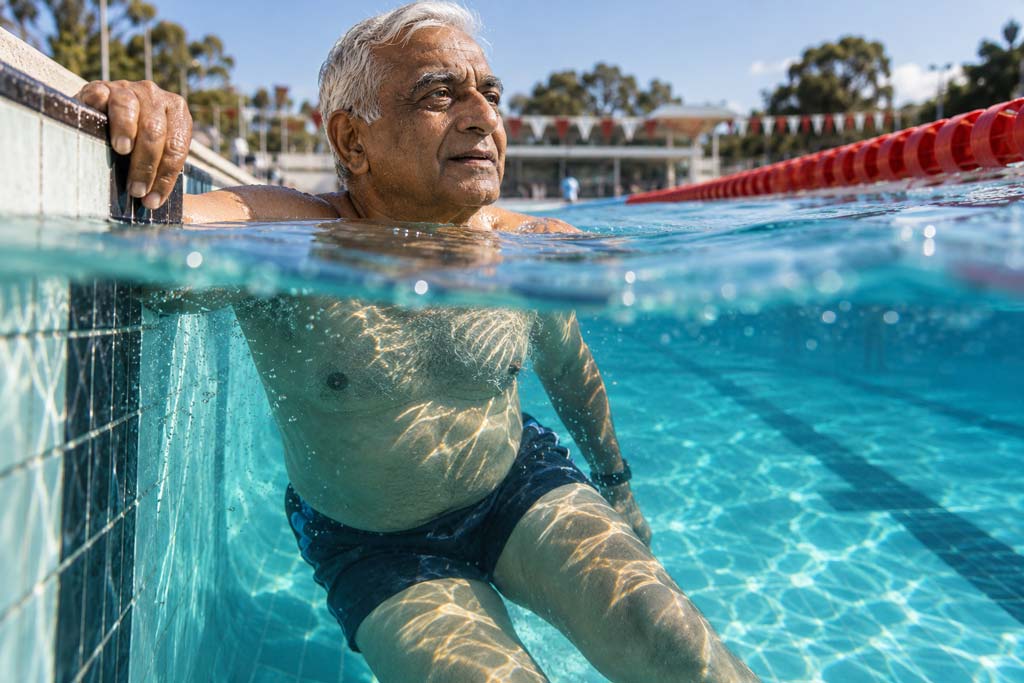
Decoding the Mysteries of Ageing and Health
Ageing and health are two universal aspects of life that everyone experiences. Over the decades, the body changes in ways that can greatly affect health. Some changes are easy to see. Others happen quietly inside the heart, lungs, muscles and bones.
The pace of those changes varies widely. Some 80-year-olds have physical and mental capacities that compare well with those of 30-year-olds, while others need help to dress.
Changes affect the cardiovascular system (the heart and blood vessels) and the respiratory system (the lungs and airways). They also reach strength, flexibility, bone and body composition (the balance of fat to lean tissue). Most move in a predictable direction, yet a few barely move at all.
The 15 facts that follow trace these changes system by system. Together, they separate the parts of ageing and health that hold steady from those that change over time, and explain how daily habits can influence those changes.
Exploring the Intricacies of Ageing: 15 Health Facts Uncovered
Resting Heart Rate: A Constant Amidst Change
Resting heart rate (heartbeats per minute at rest) stays largely unchanged with age. Of the 15 measures here, it is the only one that holds steady.
Maximum Heart Rate: The Slowing Beat
Maximum heart rate falls as people grow older. This is the highest number of beats per minute the heart can reach during all-out effort. So the resting rhythm stays the same, while the ceiling drops.
Maximum Cardiac Output: A Decline in Volume
Maximum cardiac output is the largest volume of blood the heart can pump in a minute. It falls with age. Because cardiac output depends partly on heart rate, a lower maximum heart rate contributes to this decline.
Blood Pressure: An Ageing Concern
Blood pressure moves the other way. Both resting blood pressure and blood pressure during exercise tend to rise with age. Midlife readings have been linked to blood flow to the heart decades later.
Oxygen Uptake: A Slowing Breath
Maximum oxygen uptake (the most oxygen the body can use during hard exercise, often called VO2 max) declines with age. The fall shows in absolute terms (litres per minute) and in relative terms (adjusted for body weight).
As a result, the oxygen uptake reserve shrinks. This is the gap between the oxygen used at rest and at maximum effort. A smaller margin limits exercise capacity and endurance. Interval training is one approach studied for raising VO2 max.
Residual Volume: A Breath of Extra Air
Residual volume rises with age. It is the air left in the lungs after breathing out as fully as possible. In practice, more stale air remains after each full exhalation.
Vital Capacity: A Shrinking Breath
Vital capacity moves in the opposite direction and falls with age. It is the most air a person can breathe out after the deepest possible breath in. Combined with a higher residual volume, the lungs hold more air they cannot use and move less air they can.
Reaction Time: The Delay of Age
Reaction time, the delay between a signal and the body’s response, slows with age. That delay has safety implications during physical activity. Alongside balance, agility and speed, reaction time is one of the skill-related components of fitness.

Muscular Strength: Ageing and Health’s Test of Strength
Muscular strength tends to fall with age. Between 50 and 70, isometric strength (force produced without movement) drops by about 1% to 1.5% a year, rising to 3% a year after 70.
Strength also shows that the link between ageing and health can be changed. Resistance training increases muscular strength in older adults.
Flexibility: The Stretch of Time
Flexibility declines with age, especially in the neck, shoulders, back and legs. These effects show up in everyday tasks, such as turning to look behind you or bending to tie a shoe. With regular stretching, you can maintain flexibility throughout life.
Bone Mass: The Weight of Age
Bone mass falls with age. From around 30, bone breakdown begins to outpace replacement, with up to 1% of bone lost each year. Lower bone mass raises the risk of osteoporosis (a disease that makes bones brittle and prone to fracture).
Weight-bearing and strength-building exercise can increase bone mineral density. During resistance exercise, muscle pull on bone may also stimulate new bone formation. Adequate calcium and vitamin D also support bone health.
Fat-Free Body Mass: Losing the Lean
Fat-free body mass includes everything that is not fat, such as muscle, bone and water. It decreases with age. The loss of lean body mass with ageing is often called sarcopenia, from the Greek words for flesh and loss. Muscle mass alone falls by about 5% each decade after 30, and by up to 10% per decade after 50.
Body Fat: The Ageing Gain
Body fat percentage rises with age, and fat shifts from under the skin to visceral fat (fat stored around the internal organs).
The bathroom scale can miss this entirely. Take a man who weighs 72.6 kg at 30, with 15% body fat. If he weighs the same at 50, he may carry about 4.5 kg less lean weight and 4.5 kg more fat. His body fat would then sit at 21%, with no change on the scale. Body fat percentage captures what weight alone cannot.
Glucose Tolerance: The Sweet Challenge of Age
Glucose tolerance (the body’s ability to clear sugar from the blood) decreases with age. This shift ties ageing and health to metabolic disease. Ageing is associated with a higher risk of type 2 diabetes.
Recovery Time: The Long Rest
Finally, recovery after physical activity takes longer with age. The body needs more time before it is ready for the next demanding session. Rest and recovery periods therefore take up a larger share of older adults’ exercise.
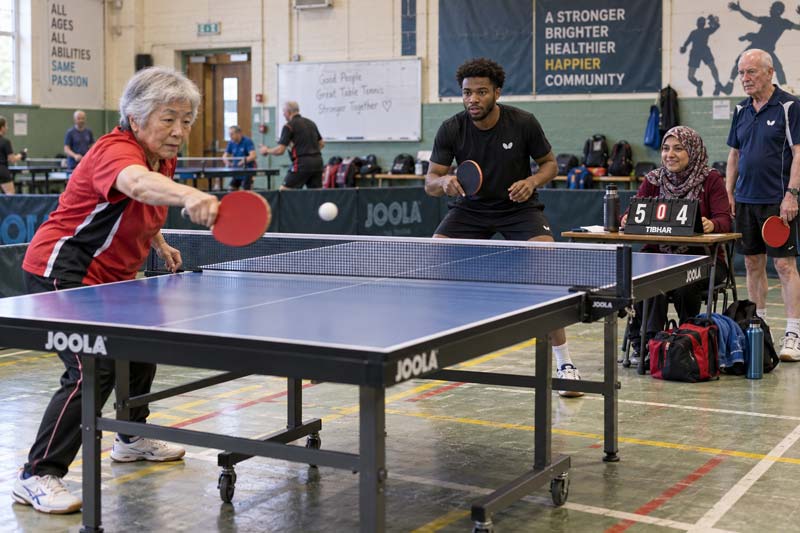
Ageing and Health: Approaching the Golden Years with Wisdom
Across all 15 facts, a pattern holds. The body at rest changes least, while its maximum output falls. Peak heart rate, cardiac output, oxygen uptake and vital capacity all decline, yet resting heart rate stays put.
Blood pressure breaks that pattern, rising both at rest and during exercise. The heart and blood vessels therefore change in two ways: a lower ceiling for effort and a higher baseline pressure.
The musculoskeletal system (muscles, bones and joints) changes alongside body composition. Strength, flexibility, bone mass and fat-free mass fall, while body fat rises. These are also the changes that respond to training, stretching, and nutrition, making them the most adjustable part of ageing and health.
Metabolism shifts as glucose tolerance falls. A diet rich in fibre and low in processed sugars supports blood sugar control as that tolerance declines.
Some of these changes are fixed features of ageing and health. Others depend partly on how people live, and that second group shapes healthspan (the years lived in good health) as well as lifespan. The difference between those two measures is what ageing well comes down to.
Sources
- American College of Sports Medicine. ACSM’s Guidelines for Exercise Testing and Prescription. 5th ed. Kenney WL, Humphrey RH, Bryant CX, Mahler DA, editors. Baltimore (MD): Williams & Wilkins; 1995.
- Chodzko-Zajko W, Proctor D, Fiatarone Singh M, Minson C, Nigg C, Salem G, Skinner J. American College of Sports Medicine position stand. Exercise and physical activity for older adults. Med Sci Sports Exerc. 2009;41:1510-1530.
- Guadalupe-Grau A, Fuentes T, Guerra B, Calbet JA. Exercise and bone mass in adults. Sports Med. 2009;39:439-468.
- Kallman DA, Plato CC, Tobin JD. The role of muscle loss in the age-related decline of grip strength: cross-sectional and longitudinal perspectives. J Gerontol. 1990;45(3):M82–8.
- Mazzeo RS, Tanaka H. Exercise prescription for the elderly: current recommendations. Sports Med. 2001;31(11):809–18.
- Peterson M, Rhea M, Sen A, Gordon P. Resistance exercise for muscular strength in older adults: a meta-analysis. Ageing Res Rev. 2010;9:226-237.
- Rosenberg IH. Sarcopenia: origins and clinical relevance. J Nutr. 1997;127(5 suppl):990S–1S.