


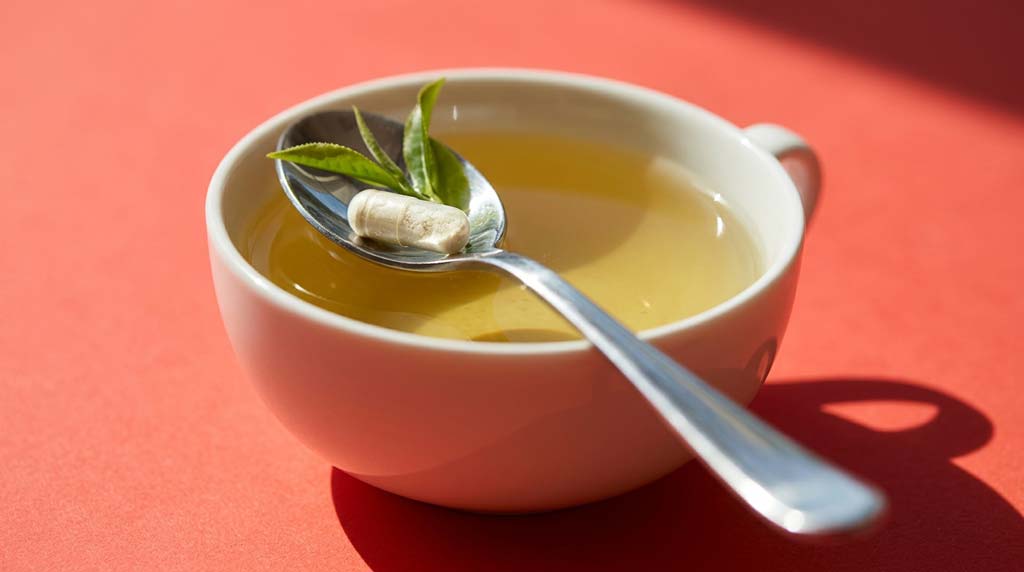
Studies of L-theanine often track relaxation through alpha waves, an electrical rhythm linked with a resting brain. Alpha waves also rise, however, when the brain focuses by screening out distractions.
They climb again when the mind is stimulated and ready to act. In other words, one signal can point towards calm or concentration. Researchers reconcile the two readings with a single phrase: “calm attention”. This interpretation relies on indirect evidence, since it infers a state of mind from a pattern of brainwaves.
Theanine supplements are marketed for three outcomes: feeling calmer, thinking more clearly and sleeping better. In daily life, those outcomes are tangled together. Stress is a normal response to daily challenges, and short-lived stress responses can even be healthy.
When stress persists, however, it lowers quality of life through tiredness, low mood, rising anxiety and poorer sleep. Disrupted sleep affects the following day. Insomnia (persistent difficulty falling or staying asleep) brings daytime fatigue, reduced alertness, irritability and impaired concentration.
Stress feeds poor sleep, and poor sleep in turn wears down attention. Research, by contrast, measures each outcome separately, with its own questionnaires, tests and timescales. As a result, a compound that eases one of them need not improve the others.
Human evidence on L-theanine is also inconsistent and sometimes hard to reproduce. Most clinical trials have been small. Many rely on outcomes that are hard to verify without robust biomarkers (measurable signals that reliably track a condition). Meanwhile, an analysis of supplements sold online for memory and thinking described the biological data on theanine as promising. Yet it also judged those data far too preliminary to support many of the health claims made for it.
To judge those claims, we need to look closely at what was actually tested. A cup of tea and a 200 mg capsule deliver very different amounts of theanine. Similarly, a single dose before a stressful task differs from weeks of daily use. A faster response on a lab screen differs from a sharper mind at work. And feeling rested in the morning may not match what a sleep recording shows.
Followed from the tea leaf through the bloodstream and into the brain, theanine’s story turns on those distinctions. They shape who the findings are relevant to and how much confidence we can place in them.
What Is L-Theanine?
Tea leaves are rich in an amino acid that the body never uses to build protein. Amino acids are best known as the building blocks of proteins, from muscle fibres to enzymes. Theanine stays outside that system, so scientists classify it as a non-protein amino acid.
Its formal name, L-theanine, also hints at its shape. Many molecules exist in two mirror-image forms, much like a left and a right hand. In nature, theanine occurs mainly in the L form. Still, green tea contains a trace of its mirror twin, D-theanine, at 2.2% to 4.7% of the total.
Chemically, theanine closely resembles glutamate, the brain’s main excitatory (activating) messenger, and gamma-aminobutyric acid (GABA), its main calming one. Start with glutamic acid, the acid form of glutamate. Replace one acidic end with a nitrogen group carrying a short carbon tail, and you get theanine. That family likeness is the basis for the idea that theanine can influence brain chemistry.
The tea plant, Camellia sinensis, is its main source. It also occurs in two related camellias and in a mushroom called Xerocomus badius. First isolated from green tea in 1949, it can make up almost half of the free amino acids in tea leaves. The plant makes it in the roots from glutamic acid and ethylamine, then moves it up into the leaves.
There, sunlight works against it. In direct sun, leaves rapidly break theanine down. Much of its carbon then ends up in catechins (a family of plant compounds). Shading the plants prevents that loss and holds back catechin production. For that reason, gyokuro and authentic matcha come from young shoots shaded for at least 20 days. Sencha, by contrast, grows in full sunlight. Per gram, gyokuro contains about 20 mg of theanine, sencha 10 mg, and bancha 5 mg.
Timing and processing further shift the numbers. Later harvests hold much less theanine than the first flush. In later flushes, rapid growth outpaces root supply, while warmer weather speeds its breakdown. Oxidation, which the tea trade calls fermentation, also reduces it. Younger tea plants, meanwhile, typically contain more than older ones.
Across 37 commercial teas, theanine averaged 6.56 mg per gram of dry leaf. Individual products ranged from 0.07 mg per gram in pu-erh tea to 33.37 mg in white tea. In a standard 200 ml cup, that usually translates into roughly 8 to 25 mg. Measured cup for cup, black tea delivered the most, averaging 24.2 mg. Green tea, widely assumed to be the richest source, delivered the least, at 7.9 mg. Analyses of dry leaves, by contrast, have often ranked green tea above black. The leaf and the cup can tell different stories.
Brewing decides how much of the leaf’s theanine reaches the cup. A first infusion of green tea releases a median of only about 40% of the leaves’ theanine. Whole leaves rolled into balls give it up slowly. By comparison, the small particles in simple tea bags are thought to release more at once. Once soaked, leaves become more permeable, so a second brew extracts theanine almost twice as efficiently. Across 17 loose-leaf green teas, drinking that second cup raised total theanine intake by about 1.5 times.
Water temperature, however, changes theanine extraction far less than caffeine extraction. Cold-brewing gyokuro at about 20°C or below therefore yields a high-theanine drink. The same drink stays low in caffeine and in epigallocatechin gallate (EGCG), green tea’s main catechin.
Matcha takes brewing out of the equation because you drink the leaf itself. It is made by grinding tencha, shaded green tea leaves with the veins and stems removed, into a fine powder. A daily 2.7 g serving of first-flush matcha supplied 50.3 mg of theanine alongside 71.5 mg of caffeine. In other words, even this concentrated source delivers more caffeine than theanine. Quality also varies widely. High-theanine matcha sold in Japan contained 41 mg per gram, against about 8.5 mg in low-theanine products. Among 67 brands sold outside Japan, high-theanine products were extremely rare.
Such inconsistent intake, even among frequent tea drinkers, likely encouraged the development of supplements with better-controlled quality, especially for research. In Japan, isolated theanine is sold for good sleep, stress relief and relaxation. Elsewhere, it is marketed as a natural nootropic (a substance claimed to sharpen thinking) and relaxant. Yet theanine supplements are also available in synthetic form.
Manufacturers can extract it from tea, synthesise it chemically or produce it with bacterial enzymes. Extracting pure theanine from tea is slow and costly. Tea also holds high concentrations of caffeine and polyphenols (a large group of plant compounds), which complicate the process. Chemical synthesis typically yields a mixture of L- and D-theanine. In contrast, enzyme-based production makes only the natural L-theanine.
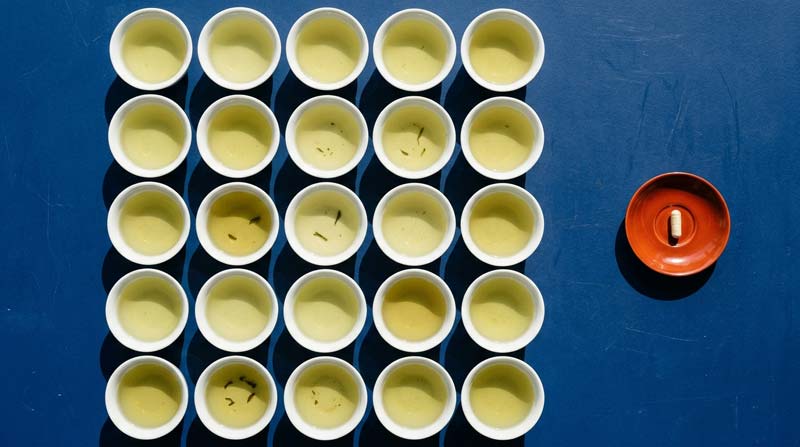
The distance between cup and capsule decides which research applies to whom. Effective doses in human trials have generally run from 100 to 400 mg. Matching them would likely take more than routine tea drinking. In controlled trials of theanine and thinking, the lowest dose tested was 50 mg, roughly two cups of black tea. Every other trial used more than 100 mg, and none delivered theanine as tea. Tea’s own recipe also reverses that balance, with roughly twice as much caffeine as theanine. Caffeine, after all, is a stimulant in its own right, with its own effects on mood and sleep.
Moderate tea drinking appears to produce wakefulness without the agitation linked to coffee. Researchers attribute this partly to catechins and theanine, but note that this attribution is uncertain. Because theanine is naturally part of tea and can also be taken as a supplement at doses far above food levels, the two need to be assessed separately.
What Happens After You Take It?
As a 100 mg capsule or in green tea, theanine peaks in the blood after about 48 minutes. The two routes produced almost identical blood levels. Laboratory work had predicted otherwise. In intestinal cells grown in a dish, green tea cut theanine absorption by 35%. It also pushed more of the theanine back out. In people, no such penalty appeared.
From the gut onwards, the sequence runs quickly:
- Within about 10 minutes of drinking 25 to 100 mg, theanine starts to appear in the blood. L-theanine levels then rise in step with the dose, peaking 32 to 50 minutes after it is swallowed.
- In rats, theanine reaches the brain within an hour of an oral dose. It crosses the blood-brain barrier (the protective filter between the bloodstream and the brain) via a carrier that transports other amino acids. It then lingers for up to five hours and is gone by 24 hours.
- In rats, kidney enzymes called glutaminases split theanine into glutamic acid and ethylamine. They handle the amino acid glutamine similarly. In people, both of these breakdown products also appear in the blood after a dose.
- Its half-life in humans (the time taken for blood levels to halve) runs from about 58 to 74 minutes. The blood is completely clear of it within 24 hours.
Because the body clears theanine so efficiently, its effects may last only a few hours rather than accumulate over weeks. Mice absorb about 70% of an oral dose and clear half of it in roughly 40 minutes. Absorption in humans, however, may differ.
Human studies track theanine in the blood. Direct measurements of theanine in the brain come from rodents, and even there, it’s unclear how much gets through. Rats given theanine in their drinking water from birth had none detectable in the hippocampus. This brain area is central to memory and to the stress response. Researchers took this result as a sign that brain tissue breaks down theanine quickly.
Theanine’s resemblance to glutamate points to an obvious target: the brain’s glutamate receptors (docking sites on nerve cells). L-theanine binds to two of them, yet its grip is 80 to 30,000 times weaker than glutamate’s. Theanine levels in the brain also appear to sit far below glutamate’s, so this direct effect may be negligible. At a third glutamate receptor, it acts as a partial activator, suggesting a complex, modulating role in excitatory signalling.
Animal research points to indirect routes instead. Theanine blocks a transporter that supplies glutamine, the raw material for glutamate, so less glutamate is made. It also increases the release of GABA, the brain’s main calming messenger. Its effects on dopamine and serotonin, messengers involved in mood and motivation, vary between brain areas.
In older mice, theanine also raised levels of Npas4, a gene switch that helps balance excitatory and inhibitory nerve cells. Its calming reputation leans on enhanced GABA activity, although researchers have not directly measured that action. Other proposed routes, such as better blood flow and lower inflammation, remain plausible but unproven.
Brainwave recordings (electroencephalography, or EEG) supply most of the human evidence, with the findings falling into two groups. At rest, 50 mg and 200 mg doses raised alpha waves, typically 30 to 60 minutes after intake. During attention tasks, however, 100 mg and 250 mg doses lowered alpha instead, a change thought to reflect improved thinking. One study found no effect at 100 mg.
The resting rise also varies by person. The first human study involved eight women. Alpha rose significantly only in the four with high trait anxiety (a lasting tendency to feel anxious). Resting alpha is, at best, a crude indicator of stress, anxiety or relaxation. Magnetoencephalography (MEG), which maps the brain’s magnetic signals, showed a similar pattern two hours after a 200 mg drink. Again, alpha rose only in people with higher trait anxiety. The rise did not track their reported stress or their cortisol (the body’s main stress hormone). Therefore, what the change meant for how they felt remained unclear.
Transcranial magnetic stimulation (TMS) tests the brain more directly. It sends a magnetic pulse through the scalp to see how readily brain cells respond. In 10 healthy adults, a single 400 mg dose boosted a marker of excitatory glutamate signalling. It also reduced a marker of one form of inhibition. A marker of a second form of inhibition did not change. Both shifts lean towards excitation, which fits animal findings that theanine acts on excitatory as well as inhibitory systems. Still, the sample was small, and the results need repeating.
Direct chemical measurements in human brains are rarer still. In chronic schizophrenia, adding theanine to the antipsychotic risperidone altered glutamate and glutamine levels in frontal and parietal brain areas. So far, the “calm alertness” credited to theanine has appeared only at pharmacological doses (amounts far above food levels).
Long-term intake may change the brain differently. In rats given theanine from birth, the hippocampus changed how it strengthens connections between nerve cells. That strengthening is central to memory. After six weeks, the share of it driven by one glutamate receptor fell from almost 100% to 36.9%. Applying theanine directly to brain slices didn’t reduce that receptor’s contribution, so the change came from sustained intake. How it relates to thinking, in rats or in people, is unknown.
Can L-Theanine Change Stress and Anxiety?
Neither 200 mg of theanine nor 1 mg of alprazolam, a prescription anti-anxiety drug, eased the anticipatory anxiety of volunteers facing a possible electric shock. Before the threat began, however, theanine had already left people feeling more tranquil. The researchers suggested the fear they induced was too strong for theanine to show a mild effect. Results depend on three things: the type of stress, the person experiencing it, and how long theanine is taken.
Animal studies supply much of the biological rationale. In rats, theanine in drinking water lowered corticosterone, the rodent stress hormone, both at rest and after a stress test. It also slowed the memory impairment that stress causes in these animals. In mice, it prevented stress-induced brain shrinkage and produced antidepressant-like behaviour. Yet in a rat model of post-traumatic stress disorder, it did not improve anxiety or memory.
A single dose before a stressful moment
Most human studies have tested a single dose taken shortly before a stressful task. In one, people who took 200 mg of L-theanine before a mental arithmetic challenge reported less stress afterwards. Their heart rate also rose less during the task. By the end, salivary immunoglobulin A (an antibody in saliva used as a stress marker) was roughly halved. The researchers proposed that theanine calms nerve cells in the brain’s outer layer. That, in turn, would soften the body’s fight-or-flight response.
Blood pressure gave a more selective result. Among 14 young adults, 200 mg reduced the rise in blood pressure after mental tasks. The effect appeared only in those whose pressure rose more than average. Researchers identified those high responders only after the experiment ended. Neither theanine nor caffeine reduced the rise caused by physical pain, triggered by holding a hand in cold water. Young adults whose blood pressure jumps sharply under psychological stress may be at risk of high blood pressure by mid-life.
Among 120 young adults, 200 mg taken before a psychological stress task curbed the rise in salivary alpha-amylase. It worked alone or with the amino acid arginine. This saliva enzyme serves as a physical marker of stress. In 18 archers, 200 mg before competition lowered alpha-amylase, cortisol and self-reported anxiety compared with a placebo (dummy pill). Other trials in healthy adults, including a virtual-reality active shooter drill, produced inconsistent results.
Salivary cortisol shifts with sampling time, vigorous exercise, food, light exposure and stressful events the day before or after. Stress-related changes also take 15 to 20 minutes to show up in saliva. In one trial, a 200 mg drink lowered felt stress at one hour but not three. Cortisol responses did the reverse, falling at three hours but not one. Small amounts of other ingredients in that drink also make it hard to credit theanine alone.
The person under stress also shapes the result. Relaxation effects have appeared mainly in people with high baseline anxiety, while calmer people gained nothing beyond placebo. In one study, 200 mg did not ease how anxious people felt. Yet it lowered heart rate in those with higher trait anxiety.
A systematic review (a structured survey of all relevant studies) gathered nine trials involving 270 people. It concluded that 200 to 400 mg a day may ease stress and anxiety in people facing stressful situations. Six of those trials tested single doses, and seven recruited people without known mental health problems. The review generally judged them to be at low risk of bias. A 2025 meta-analysis (a study that pools trial results statistically) was more cautious about feelings of relaxation. Only two trials supplied usable data. Their results were consistent with no benefit, or even with one favouring placebo.
Weeks of daily use
Far fewer studies have followed people over weeks. Measuring everyday stress raises its own problem, because the standard questionnaires capture different things. The Perceived Stress Scale asks how unpredictable and uncontrollable life has felt over the past two weeks. The Depression, Anxiety and Stress Scale instead asks about specific symptoms over the past week. Its stress questions cover difficulty relaxing, nervous arousal and irritability. As a result, the two can disagree.
In pharmacy students facing exams, 400 mg a day for 17 days produced lower stress scores than placebo. A 28-day trial in 30 moderately stressed adults using the same daily dose showed a different picture. Scores on the Perceived Stress Scale fell by 17.98% with L-theanine and by 17.88% with placebo.
On the second questionnaire, placebo produced significantly greater improvements than theanine. Salivary cortisol, the trial’s main outcome, did not change. However, researchers took samples before each day’s dose and may have missed a short-lived effect. Four in five people in the theanine group were women, which limits how widely the results apply.
Another four-week trial gave 30 healthy adults 200 mg each night. Their depression and anxiety scores fell compared with their starting levels. Against placebo, though, the depression change was only a trend, and anxiety showed no difference. Only about 20% of symptom and thinking scores differed from placebo, suggesting modest effects on daily life. Earlier work reported drops in salivary cortisol and immunoglobulin A after single doses. Over four weeks, those drops did not appear. Those effects on stress markers may therefore be short-lived.
One combination supplement paired 50 mg of theanine with magnesium, B vitamins and rhodiola (a herbal extract). It lowered stress scores within 28 days. However, the placebo looked different, so participants were only partly blinded (kept unaware of which treatment they received).
Studies of tea reveal a more complicated picture. Six weeks of black tea reduced cortisol and platelet (clotting cell) responses to stressful tasks against a caffeine-matched drink. By contrast, a single cup of tea did not change mood compared with placebo or a control drink. In matcha, the balance of ingredients appears to determine the outcome. In mice, caffeine and EGCG blunted theanine’s anti-stress effect.
In those animals, matcha reduced a physical sign of stress only under one condition. Its caffeine and EGCG had to be no more than double its theanine and arginine. In people, 3 g of matcha with a low ratio lowered salivary alpha-amylase. Matcha with a high ratio did not. Much of this tea research, however, relies on selected teas, purified compounds and animal models.
When anxiety is a diagnosis
For diagnosed anxiety disorders, the evidence rests on a single trial. Adults with generalised anxiety disorder (persistent, hard-to-control worry) took 450 mg of L-theanine a day for eight weeks. They kept taking their usual treatment alongside it. Their anxiety and depression scores fell no more than with placebo, and side effects were similar. An analysis comparing herbal treatments for anxiety drew on that same trial and likewise placed theanine no higher than placebo.
Adding theanine to treatment for other conditions has produced more positive results. A systematic review found 11 trials in mental disorders, covering 827 people given theanine. Most lasted 8 to 10 weeks, used 200 to 450 mg a day and added theanine to existing medication. Added to the antidepressant sertraline for six weeks, 200 mg a day raised remission (near-complete recovery) from 32% to 68%. Added to the medicine fluvoxamine in obsessive-compulsive disorder, it reduced obsessions, though not compulsions.
In schizophrenia, the findings diverge. One trial eased anxiety and positive symptoms (such as hallucinations), but not negative symptoms (such as social withdrawal). Another, adding theanine to risperidone, improved negative symptoms and overall severity. These trials were small and varied widely. Publication bias (the tendency for positive results to reach print more readily) may also inflate the picture.
Unlike some relaxation aids, theanine does not appear to cause sedation or impair thinking. A 2026 review nonetheless found the evidence too thin to recommend it, alone or as an add-on, for chronic stress or any psychiatric condition.
What Does It Do to Attention?
Twenty-seven milliseconds (thousandths of a second) is roughly how much faster people responded on a simple reaction test after taking theanine with caffeine, compared with placebo. The gain appeared only in the second hour after intake. Results like this come from tests that capture narrow slices of mental performance:
- Reaction time: how quickly someone responds to a signal on a screen.
- Accuracy: how many responses are correct, often while switching between tasks or ignoring distractions.
- Alertness: how awake and attentive people rate themselves on a scale.
- Subjective focus: how well people believe they are concentrating, which can differ from their scores.
None of these equals intelligence, memory or a lasting change in how the mind works. The combination raised accuracy by about 1.3% on an attention-switching task in the first hour. On a sustained vigilance task, it added 1.6% in the second hour. Alertness ratings rose too, but the statistical uncertainty was wide enough to include no effect at all. The analysts also calculated that future trials could find no difference, or a difference in either direction. For some of these tests, nobody has established how large a change must be to matter in daily life.
Some of these measures do connect with real tasks. Within a wider test battery, reaction time and attention switching helped predict who passed a commercial driving assessment.
On its own, L-theanine produced a small-to-moderate gain in choice reaction time in the first hour. That test measures how fast people pick the correct response when several options appear. It made little or no difference to simple reaction time, sustained attention or alertness. A separate 2025 meta-analysis of five trials found no effect on simple reaction time. The single doses tested ranged from 50 to about 500 mg. Higher doses did shave about 15 milliseconds off responses in visual processing tasks. However, the certainty of that evidence was rated low or very low.
Individual trials range from modest gains to outright impairment. At 250 mg, theanine alone left people calmer after 30 minutes, yet slowed their mental arithmetic at 90 minutes. At 200 mg, it slowed responses on a task designed to detect attention towards threatening words. In people with high baseline anxiety, by contrast, it improved attention, while those with lower anxiety saw no noticeable effect.
Adding caffeine, however, raises the question of credit. Theanine trials have concentrated on visual attention and reaction time, the same skills caffeine typically enhances. In direct comparisons, effect sizes consistently favoured caffeine alone over theanine alone for reaction time, accuracy and mental subtraction. An earlier meta-analysis concluded that any attention benefit from the pair is likely attributable to caffeine.
The European Food Safety Authority (EFSA) also accepted a claim that black tea improves attention. It indicated, however, that the claim rests on caffeine content. Splitting credit fairly therefore needs four groups: placebo, theanine alone, caffeine alone and both together. In those comparisons, the pair produced about four more correct answers on a mental subtraction task than theanine alone.
Theanine may still change how caffeine feels. Compared with placebo, for example, the pair lowered ratings of jitteriness and headache. In one trial, 250 mg of L-theanine added to 150 mg of caffeine preserved caffeine’s gains. It also reduced the headache increase caused by caffeine alone. Alertness and reaction time improved further too. Elsewhere, task switching improved after the combination even though people did not feel any more attentive.
Dose and ratio can reverse the picture. Trials reporting extra benefit from the pair all used at least 100 mg of theanine. Each also gave one to two times as much theanine as caffeine. Even then, the extra benefit has not appeared consistently, and no optimal dose or ratio has been established.
At tea-like amounts, the result flipped. In 24 young adults, 75 mg of caffeine sped choice reactions, improved performance on a colour-word test and lifted mood. Adding 50 mg of theanine, a dose and ratio similar to one or two cups of tea, cancelled them. Caffeine also reduced blood flow in the prefrontal cortex, the brain region involved in planning and focus. Adding theanine abolished that reduction.
In rats, theanine damped caffeine’s stimulating effect on brainwaves when the two were given in comparable amounts. However, low doses of theanine alone produced mild excitation, so its effect appears to depend on dose.
Brain scans suggest how the pair might work. Functional magnetic resonance imaging (fMRI) tracks blood flow to active brain areas. These scans showed the combination reduced activity in regions linked to mind wandering. In children with attention deficit hyperactivity disorder (ADHD), theanine alone improved overall thinking scores but appeared to worsen impulse control. The combination improved both and reduced activity in those mind-wandering networks. High doses of the pair have also improved selective attention in sleep-deprived young adults and performance in elite wrestlers.
Whether any of this lasts is a separate question. One trial recruited 50 Japanese adults aged 50 to 69 who felt their thinking had slipped. A single 100.6 mg dose sped up their responses on an attention test. It also improved working memory, the ability to hold information briefly in mind. After 12 weeks of daily use, however, the attention benefit had gone. Other measures of memory and thinking did not change.
In 30 healthy adults, four weeks of 200 mg nightly improved verbal fluency (producing words quickly on cue) against starting scores. Yet no thinking score beat placebo overall. Only those with poorer scores at the start improved more on verbal fluency than with placebo.
Reported memory benefits have come mainly from theanine combined with other ingredients. One trial involved mild cognitive impairment, a decline in memory and thinking beyond normal ageing. Participants took a green tea extract with 60 mg of theanine three times daily. Over 16 weeks, it improved selective attention and recall and increased theta brainwaves, an effect never shown with theanine alone. A year of daily matcha, with about 48 mg of theanineimproved how older adults with cognitive decline read facial expressions.
Of the trials assessed for risk of bias (design flaws that can skew results), none was judged at low risk. Twenty-five were judged at high risk. Eighteen did not report how participants were randomised (assigned to groups by chance) or how assignments were kept hidden. Industry was the most common funder, backing eight trials, followed by academia (four) and government (two). Four trials did not report funding at all. The median trial enrolled 27 people.
Does L-Theanine Improve Sleep?
Pooled across 18 trials and 897 participants, theanine improved how people rated their sleep. Objective measures, recorded by devices rather than self-reported, showed no improvement. Doses ranged from 50 to 1,000 mg per day, and some products tested included other active ingredients.
A 2026 review limited to theanine taken on its own reached a warmer verdict. Across 13 trials and 550 people, 200 to 450 mg a day appeared safe and effective for supporting adult sleep. Benefits were most robust for sleep quality. Effects on measured and self-reported sleep onset, continuity and efficiency were small to medium. However, there was little evidence that L-theanine increases total sleep time. The two reviews differ on the measured evidence, and they drew on different sets of trials.
At relaxation doses, theanine causes no drowsiness or sedation. That suggests it affects sleep by easing anxiety, not by inducing sleep. Taken before bed, it reportedly needs about 30 minutes to act.
Four weeks of 200 mg nightly shortened the time 30 healthy adults reported needing to fall asleep, compared with placebo. It also reduced reported sleep disturbance and use of sleep medication. The overall score on a standard sleep questionnaire, though, only trended towards improvement. In young men, six days of 200 mg improved self-rated sleep time. Wrist monitors also recorded less waking in the night. Time awake after first falling asleep fell to 12.6 minutes, against 19.8 minutes with placebo.
Elsewhere, placebo closed much of the gap. Healthy workers with sleep problems took 200 mg at bedtime for a week. They improved on several sleep ratings, but so did those on placebo. After 28 days of 400 mg daily, wrist monitors recorded less sleep in moderately stressed adults than with placebo. That group, however, had slept longer at the outset.
The findings differ when sleep is already disturbed. Boys aged 8 to 12 with ADHD took 400 mg a day for six weeks. Wrist monitors showed more restful sleep and fewer bouts of night-time activity, yet the boys reported no improvement. Here, measured sleep improved while felt sleep did not. Time to fall asleep and total sleep time stayed the same.
A review of sleep treatments in children with ADHD judged theanine ineffective for sleep onset and total sleep time. By comparison, melatonin improved both, along with sleep efficiency (the share of time in bed actually spent asleep). The theanine trial also included no girls. It also did not control for other medications, including melatonin taken by three boys.
Cancer patients with insomnia, 120 in all, took 200 mg two hours before bed for 14 days. Their insomnia scores fell from 15.39 to 9.55. Those scores came from the Athens Insomnia Scale, a validated eight-question measure of insomnia severity. Placebo produced a smaller fall, from 14.92 to 13.05, while 3 mg of melatonin brought scores down to 5.00. The scale relies on patients rating their own sleep, and green tea intake was not controlled.
In generalised anxiety disorder, 450 mg a day for eight weeks improved sleep satisfaction. Insomnia severity scores, however, never separated from placebo over time. Across 22 randomised trials of theanine for sleep, people meeting the formal criteria for clinical insomnia were barely represented. Therefore, its effect on insomnia itself cannot yet be judged.
Caffeine complicates any sleep study involving tea. It is thought to disrupt sleep at doses of 100 mg or more. For that reason, people in Japan customarily avoid green tea before bed. Green tea with lowered caffeine improved stress and sleep quality in middle-aged and older adults.
Researchers attributed that effect to its theanine. In a bedtime test with nine young women, 30 mg of caffeine increased night-time waking on brainwave recordings. Adding 50 mg of L-theanine kept night-time waking at placebo levels. Daily matcha, taken at least two hours before bed for four weeks, left measured sleep unchanged. The healthy adults in that trial already slept normally.
Most studies reporting sleep benefits have used theanine in mixtures with other compounds. A drink combining tart cherry juice, valerian, theanine, and three other ingredients shortened time to fall asleep. A milk-derived protein extract taken with theanine increased sleep duration by 45 minutes in 39 adults with poor sleep. In 16 people, a mix of tryptophan, glycine, magnesium, tart cherry and theanine shortened sleep onset and lengthened sleep. In each case, theanine’s contribution to the effect cannot be separated from the rest of the recipe.
What Do We Know About Dose and Safety?
Rats fed theanine for 13 weeks showed no treatment-related harm at 4,000 mg per kilogram of body weight. That was the highest dose tested. A typical human dose of 200 mg is about 3.2 mg per kilogram. Other animal tests found no gene damage and no cancer-causing effects. That held even when theanine made up 5% of the diet for 78 weeks.
Human evidence covers much shorter spans. Trials summarised for US regulators found L-theanine safe and well tolerated at up to 900 mg a day. Those trials lasted up to 12 weeks and recorded no serious adverse events. In addition, single doses between 50 and about 500 mg produced side effects no different from placebo.
Minor complaints do appear. In one 28-day trial of 400 mg a day, five people on theanine reported eight adverse events. The placebo group reported one. Only two, a metallic taste and a dry mouth, were judged possibly related to theanine, and all resolved. At 250 mg, theanine alone also prompted more reports of headache than placebo.
Its side-effect profile is still far milder than that of antipsychotics or benzodiazepines (sedative anti-anxiety drugs). Those medicines can cause sedation, weight gain and metabolic problems. With caffeine, however, effects on blood pressure depend on the recipe. Theanine at 50 mg with 75 mg of caffeine raised blood pressure, although caffeine alone did not. In contrast, 200 mg of theanine blunted the blood pressure rise caused by 250 mg of caffeine.
Regulators have assessed theanine as a food ingredient. Several companies have concluded that theanine is generally recognised as safe in foods and drinks. The US Food and Drug Administration (FDA) has raised no questions over those conclusions. Its responses cover theanine made with enzymes, extracted from tea, synthesised chemically and, in 2026, produced by genetically engineered bacteria.
Yet the FDA’s letters state that it has not affirmed theanine’s safety itself. The 2026 letter also did not evaluate labelling or health claims. In Europe, EFSA rejected a health claim linking theanine to improved attention in 2011. The doses needed to produce any specific health effect are still unknown. Among tea’s compounds, only caffeine has recognised health effects at defined doses.
Reviews nonetheless converge on a working window. Reported benefits cluster between about 100 and 400 mg. Stress and sleep effects seem to require at least 200 mg, while thinking effects require at least 100 mg. Reviews consistently describe that range as safe and well tolerated, even with extended daily use. However, the optimal dose remains unclear. Products on the market typically contain 100 to 250 mg and are often promoted for sleep and thinking.
Many studies of theanine’s biological effects also come from a single geographic area and a single commercial, proprietary source of theanine. Citing the lack of carefully controlled human trials, the same review urged caution over pharmacological doses in the wider population. Moreover, short trials without serious harms cannot establish safety over years of use.
Several groups are almost absent from the evidence:
- Pregnancy: Trials have excluded pregnant women, so the only evidence comes from animals. Pregnant mice given theanine daily showed no change in birth timing, birth rates or litter size. However, its safety in pregnant women still needs testing.
- Breastfeeding: In lactating rats, theanine passed into milk, reached the pups’ blood and raised growth-factor signals in their developing brains. Trials have also excluded breastfeeding women.
- Children: Only one randomised trial in children has been published, in boys with ADHD. One boy developed a new facial tic that stopped after he withdrew, although he had shown tics before. Children are often given sleep supplements without input from a health professional. In growing rats, drinking water with 1% theanine suppressed weight gain and blocked a memory-related form of brain plasticity. At 0.3%, weight was unaffected.
- People taking medicines: Trials have excluded people on medicines affecting mood, sleep or stress, and those taking opioids, steroids or oral contraceptives. In mice, theanine raised a chemotherapy drug’s concentration inside tumours 1.3-fold by slowing its exit from cancer cells. That finding shows theanine can alter how some drugs move through cells, although it comes from animal and laboratory work. In psychiatric trials where theanine was added to prescribed medicines, side effects did not differ from placebo.
Animal seizure studies are mixed. Oral theanine protected rats against one type of chemically induced seizure but worsened another. Green and black teas also worsened that second type in mice. Findings from injected theanine, meanwhile, are complex and do not represent normal human consumption.
Some safety concerns about tea are tied to other ingredients. Rare cases of liver injury have been linked to green tea, mostly involving excessive consumption over long periods. In animals, high doses of EGCG raise the risk of liver toxicity. Adding theanine to EGCG reduced markers of liver cell damage and increased antioxidant enzyme activity. Theanine alone showed low toxicity in the same line of research.
Labels add a final layer of uncertainty. Stable isotope analysis, a chemical fingerprint test, can tell theanine extracted from tea apart from cheaper synthetic theanine. Of 28 products labelled as natural L-theanine from tea leaves, only five fell within the authentic range. Four more were borderline. The rest appeared to have been partly or entirely replaced with synthetic theanine.
An independent test of one nutrient drink, in contrast, found 197 mg of the L form against a labelled 200 mg. It held less than 1 mg of the D form. Matcha packaging rarely states theanine content, so buyers cannot judge a product’s likely effect from the label. In the US, supplements also face less strict regulation than medicines.
Every finding on theanine carries four coordinates: the dose, the duration, the person and the product. Change one, and the result can change. A 200 mg capsule before a stressful task, a month of nightly tablets and a daily pot of green tea are different exposures. Each has been tested in different people, measured differently, and leaves different gaps in what we know.
Theanine occurs naturally in tea and is taken at much higher supplement doses. Most studies of both are short, small, and tied to the conditions they tested. Its clearest effects appear in specific moments and specific people, and they fade within hours. Months and years of use remain largely unmeasured. Any decision about tea, capsules, or neither should account for those limits.
Sources
- Baba Y, Inagaki S, Nakagawa S, Kaneko T, Kobayashi M, Takihara T. Effects of l-Theanine on Cognitive Function in Middle-Aged and Older Subjects: A Randomized Placebo-Controlled Study. J Med Food. 2021 Apr;24(4):333-341.
- Baba Y., Takihara T., Okamura N. Theanine maintains sleep quality in healthy young women by suppressing the increase in caffeine-induced wakefulness after sleep onset. Food Funct. 2023;14:7109.
- Barrett JR, Tracy DK, Giaroli G. To sleep or not to sleep: a systematic review of the literature of pharmacological treatments of insomnia in children and adolescents with attention-deficit/hyperactivity disorder. J Child Adolesc Psychopharmacol. 2013 Dec;23(10):640-7.
- Bulman A., D’Cunha N.M., Marx W., Turner M., McKune A., Naumovski N. The Effects of L-Theanine Consumption on Sleep Outcomes: A Systematic Review and Meta-Analysis. Sleep Med. Rev. 2025;81:102076.
- Cotter J, Caddick CE, Harper JL, Ebajemito JK. Examining the effect of L-theanine on sleep: a systematic review of dietary supplementation trials. Nutr Neurosci. (2026) 29:224–38.
- Cotter J, Kilpatrick HE. Effects of L-theanine on cognition, mood and sleep: evidence from human trials. Front Nutr. 2026 Sep 4;13:1922819.
- Dashwood R, Visioli F. l-theanine: From tea leaf to trending supplement – does the science match the hype for brain health and relaxation? Nutr Res. 2025 Feb;134:39-48.
- Dodd FL, Kennedy DO, Riby LM, Haskell-Ramsay CF. A double-blind, placebo-controlled study evaluating the effects of caffeine and L-theanine both alone and in combination on cerebral blood flow, cognition and mood. Psychopharmacology (Berl). 2015 Jul;232(14):2563-76.
- Fuentes JB, Amidžić M, Banović J, Torović L. Internet marketing of dietary supplements for improving memory and cognitive abilities. PharmaNutrition 2024;27:100379.
- Hidese S, Ogawa S, Ota M, Ishida I, Yasukawa Z, Ozeki M, Kunugi H. Effects of L-Theanine Administration on Stress-Related Symptoms and Cognitive Functions in Healthy Adults: A Randomized Controlled Trial. Nutrients. 2019 Oct 3;11(10):2362.
- Howell D, Oliver TK, Keller-Olaman S, Davidson JR, Garland S, Samuels C, et al. Sleep Disturbance in Adults with Cancer: A Systematic Review of Evidence for Best Practices in Assessment and Management for Clinical Practice. Ann Oncol. 2014;25:791–800.
- Huang L, Li H, Yang W, Huang L, Chen Q, Li S, Zou Z, Zhao L, Zeng Z. L-Theanine Ameliorates Metabolic Dysregulation and Adverse Fetal Outcomes in a Mice Model of Gestational Obesity: Association with FXR/FGF15 Signaling. J Microbiol Biotechnol. 2025 Sep 22;35:e2504017.
- Innocenti A, Lentini G, Rapacchietta S, Cinnirella P, Elia M, Ferri R, Bruni O. The Role of Supplements and Over-the-Counter Products to Improve Sleep in Children: A Systematic Review. Int J Mol Sci. 2023 Apr 25;24(9):7821.
- Kahathuduwa CN, Wakefield S, West BD, Blume J, Dassanayake TL, Weerasinghe VS, et al. Effects of L-theanine-caffeine combination on sustained attention and inhibitory control among children with ADHD: a proof-of-concept neuroimaging RCT. Sci Rep. 2020;10(1):13072.
- Kakuda T, Nozawa A, Sugimoto A, Niino H. Inhibition by theanine of binding of [3h]ampa, [3h]kainate, and [3h]mdl 105,519 to glutamate receptors. Biosci Biotechnol Biochem 2002;66:2683–6.
- Keenan EK, Finnie MDA, Jones PS, Rogers PJ, Priestley CM. How much theanine in a cup of tea? Effects of tea type and method of preparation. Food Chem 2011;125:588–94.
- Kelly SP, Lalor EC, Reilly RB, Foxe JJ. Increases in alpha oscillatory power reflect an active retinotopic mechanism for distracter suppression during sustained visuospatial attention. J Neurophysiol 2006;95:3844–51.
- Kimura K, Ozeki M, Juneja LR, Ohira H. L-theanine reduces psychological and physiological stress responses. Biol Psychol 2007;74:39–45.
- Kurdi MS, As A, Ladhad DA, Mitragotri MV, Baiju A. Comparison Between Efficacy of Oral Melatonin and Oral L-theanine in Improving Sleep in Cancer Patients Suffering From Insomnia: A Randomised Double-blinded Placebo-controlled Study. Indian J Palliat Care. 2024 Apr-Jun;30(2):176-181.
- Lopes Sakamoto F, Metzker Pereira Ribeiro R, Amador Bueno A, Oliveira Santos H. Psychotropic effects of (l)-theanine and its clinical properties: From the management of anxiety and stress to a potential use in schizophrenia. Pharmacol Res 2019;147:104395.
- Lu K, Gray MA, Oliver C, Liley DT, Harrison BJ, Bartholomeusz CF, et al. The acute effects of l-theanine in comparison with alprazolam on anticipatory anxiety in humans. Hum Psychopharmacol 2004;19:457–65.
- Mancini E, Beglinger C, Drewe J, Zanchi D, Lang UE, Borgwardt S. Green tea effects on cognition, mood and human brain function: a systematic review. Phytomedicine 2017;34:26–37.
- Mátyus RO, Szikora Z, Bodó D, Vargáné Szabó B, Csupor É, Csupor D, Tóth B. Promising, but Not Completely Conclusive-The Effect of l-Theanine on Cognitive Performance Based on the Systematic Review and Meta-Analysis of Randomized Placebo-Controlled Clinical Trials. J Clin Med. 2025 Oct 30;14(21):7710.
- Moshfeghinia R, Sanaei E, Mostafavi S, Assadian K, Sanaei A, Ayano G. The effects of L-theanine supplementation on the outcomes of patients with mental disorders: a systematic review. BMC Psychiatry. (2024) 24:886.
- Moulin M, Crowley DC, Xiong L, Guthrie N, Lewis ED. Safety and Efficacy of AlphaWave® L-Theanine Supplementation for 28 Days in Healthy Adults with Moderate Stress: A Randomized, Double-Blind, Placebo-Controlled Trial. Neurol Ther. 2024 Aug;13(4):1135-1153.
- Mu W, Zhang T, Jiang B. An overview of biological production of L-theanine. Biotechnol Adv. 2015;33:335–42.
- Payne ER, Aceves-Martins M, Dubost J, Greyling A, de Roos B. Effects of Tea (Camellia sinensis) or its Bioactive Compounds l-Theanine or l-Theanine plus Caffeine on Cognition, Sleep, and Mood in Healthy Participants: A Systematic Review and Meta-Analysis of Randomized Controlled Trials. Nutr Rev. 2025 Oct 1;83(10):1873-1891.
- Perini M, Pianezze S, Ziller L, Camin F. Characterization of L-theanine in tea extracts and synthetic products using stable isotope ratio analysis. J Food Drug Anal. 2021 Jun 15;29(2):311-318.
- Rao TP, Ozeki M, Juneja LR. In search of a safe natural sleep aid. J Am Coll Nutr 2015;34:436–47.
- Scheid L, Ellinger S, Alteheld B, Herholz H, Ellinger J, Henn T, et al. Kinetics of l-theanine uptake and metabolism in healthy participants are comparable after ingestion of l-theanine via capsules and green tea. J Nutr 2012;142:2091–6.
- Scott D, Atkin AE, Granley A, Singhal A. The utility of cognitive testing to predict real world commercial driving risk. Transport Res Interdiscip Perspect. 2023;18:100783.
- Sugiyama T, Sadzuka Y, Nagasawa K, Ohnishi N, Yokoyama T, Sonobe T. Membrane transport and antitumor activity of pirarubicin, and comparison with those of doxorubicin. Jpn J Cancer Res. 1999 Jul;90(7):775-80.
- Turck D, Bresson J-L, Burlingame B, et al. ; EFSA Panel on Dietetic Products, Nutrition and Allergies (NDA). Black tea and improvement of attention: evaluation of a health claim pursuant to Article 13(5) of Regulation (EC) No 1924/2006. EFSA J. 2018;16: e05266.
- U.S. Food and Drug Administration, Human Foods Program, Office of Pre-Market Additive Safety. Agency Response Letter GRAS Notice No. GRN 001311 (L-theanine produced by Escherichia coli CICC 11189s). 4 September 2026.
- Unno K., Furushima D., Hamamoto S., Iguchi K., Yamada H., Morita A., Horie H., Nakamura Y. Stress-Reducing Function of Matcha Green Tea in Animal Experiments and Clinical Trials. Nutrients. 2018;10:1468.
- Unno K, Kameoka Y, Nakamura Y. Compositional Diversity and Functional Interactions of Bioactive Compounds in Japanese Green Tea: Focus on Matcha, Sencha, and Gyokuro. Molecules. 2026 Aug 21;31(16):2934.
- Van der Pijl PC, Chen L, Mulder TPJ. Human disposition of l-theanine in tea or aqueous solution. J Funct Foods. 2010;2:239–244.
- Wang L., Brennan M., Li S., Zhao H., Lange K.W., Brennan C. How Does the Tea L-Theanine Buffer Stress and Anxiety. Food Sci. Hum. Wellness. 2022;11:467–475.
- White DJ, de Klerk S, Woods W, Gondalia S, Noonan C, Scholey AB. Anti-Stress, Behavioural and Magnetoencephalography Effects of an L-Theanine-Based Nutrient Drink: A Randomised, Double-Blind, Placebo-Controlled, Crossover Trial. Nutrients. 2016 Jan 19;8(1):53.
- Williams JL, Everett JM, D’Cunha NM, Sergi D, Georgousopoulou EN, Keegan RJ, et al. The effects of green tea amino acid L-theanine consumption on the ability to manage stress and anxiety levels: a systematic review. Plant Foods Hum Nutr. (2020) 75:12–23.
- Yoto A, Motoki M, Murao S, Yokogoshi H. Effects of L-theanine or caffeine intake on changes in blood pressure under physical and psychological stresses. J Physiol Anthropol. 2012 Oct 29;31(1):28.
- Yuan S, Brown JC, Gold M, Tirrell E, Jones RN, Carpenter LL. Effects of single-dose L-theanine on motor cortex excitability. Clin Neurophysiol. 2021 Sep;132(9):2062-2064.
- Zhu K., Zeng H., Yue L., Huang J., Ouyang J., Liu Z. The Protective Effects of L-Theanine against Epigallocatechin Gallate-Induced Acute Liver Injury in Mice. Foods. 2024;13:1121.
- Zimmermann BF, Drees L. Let’s have another cup of green tea! Heliyon. 2025 Feb 15;11(4):e42651.