


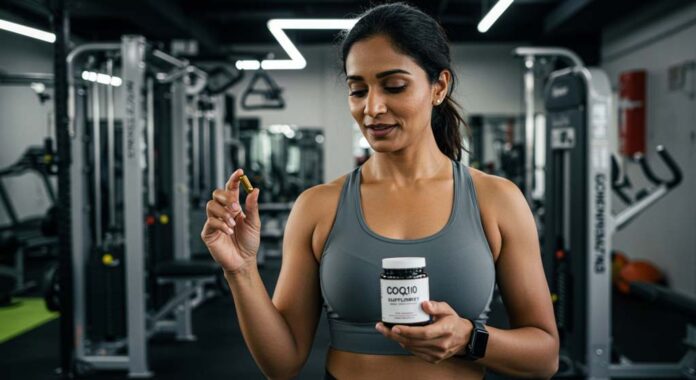
Coenzyme Q10 fitness supplements have gained attention in health and athletic communities as a potential performance enhancer. This naturally occurring compound, also known as ubiquinone or ubiquinol, plays a vital role in cellular energy metabolism (the biochemical processes that convert nutrients into energy) and is a potent antioxidant (a substance that protects cells from damage) in the body.
Found in every cell, CoQ10 helps drive ATP formation, the cell’s primary energy currency, while protecting against harmful reactive oxygen species.
CoQ10 exists in three forms within our cells: ubiquinol (reduced form), ubisemiquinone (intermediate form), and ubiquinone (oxidised form). Though our bodies naturally produce this substance, levels may decrease with age, intense physical activity, or certain health conditions.
This decline has prompted interest in supplementation, particularly among active individuals seeking to optimise their energy levels and recovery. Coenzyme Q10 fitness supplements offer a practical way to maintain adequate levels of this essential compound.
The science behind CoQ10 presents compelling reasons for its use in fitness contexts. Research indicates that this supplement may support improved energy production, reduce exercise-induced muscle damage, and aid recovery. These are essential factors for anyone engaging in regular physical activity. Additionally, CoQ10 might offer broader health benefits that complement an active lifestyle.
The following sections explore CoQ10’s role in the body, its potential benefits for fitness enthusiasts, optimal dosing strategies, and important considerations for selecting a supplement.
Whether you’re an athlete looking to enhance performance or simply someone who exercises regularly and wants to support your body’s natural processes, information about CoQ10 can help you make decisions about supplements.
What Is CoQ10? Understanding This Natural Energy Powerhouse
CoQ10, or Coenzyme Q10, is fat-soluble (dissolves in fat rather than water) and a vitamin-like substance present in virtually every cell of the human body. Despite its vitamin-like properties, CoQ10 isn’t classified as a vitamin because our bodies can produce it naturally.
Its chemical structure, 2,3-dimethoxy-5-methyl-6-decaprenyl-1,4-benzoquinone, is also known as ubiquinone due to its widespread (“ubiquitous”) presence in cells. Coenzyme Q10 fitness supplements can help maintain optimal levels when natural production decreases.
This powerful compound exists in three oxidation states in cells: ubiquinol (fully reduced), ubisemiquinone (partially reduced), and ubiquinone (fully oxidised). The reduced form (ubiquinol) predominates in healthy tissues, accounting for more than 90% of total CoQ10 content. This reduced form is primarily responsible for the body’s antioxidant properties.
Energy Production Catalyst
Coenzyme Q10 fitness supplements support one of the body’s most essential functions: energy production. CoQ10 is crucial in mitochondrial (the cellular structures responsible for energy production).
Through its ability to cycle between redox states, CoQ10 transfers electrons in the respiratory chain and directly participates in ATP synthesis (adenosine triphosphate, the energy currency of cells). This process occurs in the mitochondria, often called the “powerhouses” of cells.
The second primary function of CoQ10 is its antioxidant role. As a lipid-soluble antioxidant, it helps protect cell membranes, proteins, and DNA from oxidative damage caused by free radicals. Unlike other antioxidants, CoQ10 can regenerate other antioxidants in the body, such as vitamin E, enhancing overall antioxidant protection.
Natural Production and Decline
CoQ10 synthesis (production) in the body begins with amino acids (protein building blocks) like phenylalanine or tyrosine (specific amino acids) for the benzoquinone ring (part of CoQ10’s structure). The polyprenyl side chain (another structural component) comes from acetyl-CoA (a molecule involved in metabolism) through the mevalonate pathway (a biochemical pathway). This pathway overlaps with cholesterol synthesis, which explains why some cholesterol-lowering medications may affect CoQ10 levels.
Though the body can produce CoQ10, levels may decline for various reasons. Age is a significant factor, with production rates dropping naturally after age 30. Additionally, intense physical activity, stress, and certain medical conditions can affect the body’s ability to maintain optimal levels. These declining levels have prompted interest in supplementation.
Food sources of CoQ10 include organ meats (particularly heart), fatty fish, and vegetable oils. However, due to its heat sensitivity, the Coq10 content can be reduced during cooking. The typical dietary intake ranges from 3 to 5 mg daily, considerably lower than the supplemental doses used in research studies.
Coenzyme Q10: Forms and Functions
UBIQUINONE
The fully oxidised form of CoQ10, often found in traditional supplements. This is the “spent” form that must be converted by the body before it can perform its cellular functions. While still beneficial, it typically has lower bioavailability than its reduced counterpart.
UBISEMIQUINONE
The intermediate form that exists briefly during electron transfer processes. This transitional state plays a crucial role in the electron transport chain within mitochondria, helping to generate cellular energy through ATP production.
UBIQUINOL
The fully reduced, active antioxidant form that makes up over 90% of CoQ10 in healthy tissues. This is the form that directly fights oxidative stress and protects cell membranes. Ubiquinol fitness supplements offer superior bioavailability, especially for older adults whose conversion ability may decline with age.
ENERGY PRODUCTION
CoQ10 transfers electrons in the mitochondrial respiratory chain, directly facilitating ATP synthesis. This function becomes particularly important during exercise when energy demands increase, potentially explaining why CoQ10 fitness supplements may enhance performance during high-intensity activities.
ANTIOXIDANT PROTECTION
As a powerful lipid-soluble antioxidant, CoQ10 protects cell membranes, proteins, and DNA from oxidative damage. It can regenerate other antioxidants like vitamin E, creating a comprehensive defence system against exercise-induced oxidative stress and inflammation that may contribute to muscle damage and fatigue.
How Coenzyme Q10 Fitness Supplements Benefit Athletes
Coenzyme Q10 fitness supplements offer several advantages for physically active individuals, with effects ranging from cellular energy production to exercise recovery. The benefits stem from CoQ10’s dual role as an energy facilitator and a potent antioxidant, making it valuable for those engaged in regular training.
- Enhanced Energy Production
One of the primary advantages of CoQ10 supplementation is its ability to enhance cellular energy production. CoQ10 works directly in mitochondria, helping to transport electrons in the respiratory chain and facilitating ATP synthesis, the body’s primary energy source during exercise.
When oxygen demand increases, this process becomes crucial during aerobic activities (exercise requiring oxygen). Studies suggest that CoQ10 may stimulate mitochondrial oxidative phosphorylation (energy production process) by activating complex I, which regulates the overall respiration rate.
- Reduced Muscle Damage
Reduced muscle damage is another significant benefit of Coenzyme Q10 fitness supplements for athletes and enthusiasts. Research has demonstrated that CoQ10 supplementation can decrease markers of exercise-induced muscle damage, including serum creatine kinase (an enzyme that leaks from damaged muscle) activity and myoglobin (an oxygen-binding protein) concentration.
In a study with kendo athletes, those receiving CoQ10 showed lower levels of these damage markers than those taking a placebo, suggesting that the supplement helps protect muscle tissue during intense training.
- Improved Performance
CoQ10 may also enhance muscular endurance and anaerobic performance (without oxygen). Several studies have observed improvements in anaerobic threshold, muscle strength (measured by repetition count), muscle power, and total work output after CoQ10 supplementation. These effects appear most noticeable in high-intensity, short-duration activities. One investigation found that a single dose of CoQ10 could increase energy expenditure during both cognitive and physical tasks, with effects sustained even after regular supplementation concluded.
- Better Recovery
Recovery between exercise bouts and improvement with Coenzyme Q10 fitness supplements are also seen. Research indicates that CoQ10 may help athletes rapidly replenish phosphocreatine stores during rest periods between high-intensity exercise intervals.
This could lead to better performance in subsequent effort periods, a valuable asset for interval training or for sports that require repeated bursts of activity.
- Antioxidant Protection
The antioxidant properties of CoQ10 contribute significantly to its exercise benefits. Physical activity naturally increases the production of reactive oxygen species (unstable molecules that can damage cells), which can cause tissue damage and impair performance. CoQ10 helps neutralise these free radicals (harmful molecules), potentially reducing oxidative stress (cellular damage from oxygen metabolism) associated with intense exercise.
Studies have shown that 12 weeks of supplementation with 300 mg of CoQ10 increased total antioxidant capacity in taekwondo and football athletes.
- Inflammation Management
Inflammation management represents another area where CoQ10 shows promise. Multiple studies have documented CoQ10’s anti-inflammatory characteristics, with mechanisms including inhibition of pro-inflammatory (promoting inflammation) signalling pathways and reduction of markers like C-reactive protein (an inflammation marker), interleukin-6 (an immune system signalling molecule), and tumour necrosis factor-α (a cell signalling protein).
This anti-inflammatory effect may reduce soreness and improve recovery after challenging workouts.
Optimal Dosage and Timing for Performance
Determining the correct dosage and timing for Coenzyme Q10 fitness supplements requires considering factors such as your fitness goals, current health status, and the specific form of CoQ10 used. However, research provides helpful guidelines that can inform your supplementation strategy.
Research-Backed Dosage Ranges
Studies examining CoQ10’s effects on fitness parameters have used various dosages. The most common doses in athletic performance research range from 100 to 300 mg daily, with 300 mg being the most frequently studied amount. Lower doses (30-90 mg) have been used in some studies, but are less common in studies showing significant performance benefits.
The duration of supplementation also varies considerably across studies. Research protocols generally range from 11 to 60 days, with many performance-focused studies implementing supplementation periods of 3-4 weeks.
This timeframe appears sufficient to elevate CoQ10 levels in the body and produce measurable effects on performance parameters. Studies examining antioxidant capacity and long-term adaptations have used more extended periods (8-12 weeks).
Effective Dosing for Athletes
The evidence suggests that a daily dose of 200-300 mg may be most effective for fitness enthusiasts seeking performance benefits. In multiple studies, this dosage range has demonstrated improvements in anaerobic performance metrics, reductions in fatigue markers, and enhanced recovery.
A study with kendo athletes using 300 mg daily for 20 days showed significant reductions in markers of muscle damage and oxidative stress.
When it comes to form, the reduced form (ubiquinol) demonstrates better absorption than the oxidised form (ubiquinone). Research indicates that ubiquinol may be 6-10 times more bioavailable (the degree to which a substance becomes available to the target tissue) than ubiquinone. This difference becomes significant when considering dosage, as lower doses of ubiquinol may produce effects similar to those of higher doses of ubiquinone.
Timing and Absorption Factors
Coenzyme Q10 fitness supplements can be timed strategically to maximise benefits. Being fat-soluble, CoQ10 is best absorbed with meals that contain some fat. For athletic performance, consistent daily supplementation appears more important than timing around workouts, as CoQ10 gradually increases tissue levels rather than providing acute effects.
Absorption considerations play a significant role in supplementation strategy. The absorption efficiency depends on various factors, including the administered dose, the product formulation, the diet composition, and the stability of the final product. Enhanced delivery systems, such as phospholipids, nanoparticles, or solubilisation techniques, may improve bioavailability.
Individual differences in metabolism and baseline CoQ10 levels can affect response to supplementation. Age may be a particularly relevant factor, as natural CoQ10 production declines with age. Older adults might therefore experience greater benefits from supplementation. Additionally, individuals with higher oxidative stress levels, such as those engaged in intense training, might require higher doses to achieve optimal effects.
Choosing Quality Coenzyme Q10 Fitness Supplements
Selecting an effective Coenzyme Q10 fitness supplement requires knowledge of several key factors influencing quality, bioavailability, and efficacy. Not all CoQ10 products are created equal, and specific characteristics can significantly impact how well your body utilises this vital compound.
Forms Matter: Ubiquinone vs Ubiquinol
The form of CoQ10 represents one of the most crucial considerations when choosing Coenzyme Q10 fitness supplements. CoQ10 exists in two primary forms: ubiquinone (oxidised) and ubiquinol (reduced). Ubiquinol is the active form that naturally predominates in the body, accounting for over 90% of CoQ10 in human tissues.
Research indicates ubiquinol demonstrates superior absorption compared to ubiquinone; some studies suggest it may be 6-10 times more bioavailable. For fitness enthusiasts seeking maximum benefit, ubiquinol supplements might provide better results, particularly for older individuals whose ability to convert ubiquinone to ubiquinol may diminish with age.
Bioavailability Factors
Bioavailability factors extend beyond just the form of CoQ10. Coq10’s natural lipophilic (fat-loving) nature, along with its relatively high molecular weight (863.7 Da), creates challenges for absorption. CoQ10 is poorly soluble in water but dissolves readily in fats and oils.
This property explains why taking CoQ10 with a fat-containing meal improves absorption. Many high-quality supplements address this issue by incorporating delivery systems that enhance bioavailability, such as emulsification, solubilisation techniques, or phospholipid formulations.
Stability and Purity
Stability considerations also affect supplement quality. CoQ10 is sensitive to physicochemical changes and can become unstable when exposed to light, heat (above 55°C), or alkaline (basic pH) environments.
Quality manufacturers implement protective measures to maintain stability throughout the product’s shelf life. These may include opaque packaging, enteric coatings, or specific storage recommendations. When evaluating products, check for expiration dates and proper storage guidelines.
Supplement purity should be a priority when selecting CoQ10 products. Look for supplements that undergo third-party testing and certification from respected organisations. Quality manufacturers often provide certificates of analysis or other documentation verifying the product’s purity, potency, and freedom from contaminants. Some premium brands also specify the source of their CoQ10, whether derived from natural fermentation processes or synthetic methods.
Dosage Accuracy and Additional Ingredients
Dosage accuracy represents another aspect of supplement quality. Studies showing benefits for fitness applications typically use dosages of 100-300 mg daily, with many effective protocols using 300 mg. Check that the product clearly states the amount of CoQ10 per serving and verify whether this refers to total CoQ10 or the ubiquinol or ubiquinone content. Some products might contain additional ingredients that could influence absorption or efficacy.
Additional ingredients in Coenzyme Q10 fitness supplements may enhance effectiveness. Some formulations include vitamin E, which works synergistically with CoQ10 as an antioxidant. Others may incorporate phospholipids or medium-chain triglycerides to improve absorption.
When choosing products with additional ingredients, ensure these components have research supporting their inclusion and check for potential allergens or unnecessary fillers.
Potential Side Effects and Precautions
CoQ10 supplementation is generally considered safe, with clinical trials reporting minimal adverse effects. However, being informed about potential side effects and necessary precautions helps ensure a positive experience with this supplement.
Gastrointestinal Effects
Gastrointestinal (relating to the digestive system) symptoms represent the most commonly reported side effects associated with Coenzyme Q10 fitness supplements. These may include mild abdominal discomfort, flatulence, nausea, vomiting, diarrhoea, and changes in intestinal peristalsis.
These effects tend to be dose-dependent, with higher doses more likely to cause digestive issues. Taking CoQ10 with meals can help minimise these effects.
Neurological Considerations
Neurological side effects occasionally occur with Coenzyme Q10 fitness supplements. Some individuals report headaches, insomnia, anxiety, or stimulatory effects.
These reactions appear uncommon and may be more likely at higher dosages. If you experience these symptoms, reducing the dose or taking the supplement earlier in the day may help alleviate these effects.
Other Potential Effects
Skin-related reactions have been documented in rare cases. These primarily involve rash development after CoQ10 supplementation. If you notice any skin changes after beginning supplementation, discontinuing use and consulting a healthcare provider is advisable.
Other uncommon side effects reported in some studies include body odours (such as fishy or urine odours), leukopenia (a reduced white blood cell count), and changes in liver function. However, these occurrences are rare and have not been consistently documented across research.
Serious adverse events leading to discontinuation of CoQ10 treatment are infrequent. The research suggests that CoQ10 is well-tolerated at relatively high doses and for extended periods. Nevertheless, individual responses can vary, and monitoring for adverse reactions remains prudent, especially when beginning supplementation.
Drug Interactions
Drug interactions are an important consideration when considering CoQ10 supplementation. CoQ10 may interact with blood-thinning medications like warfarin by reducing their effectiveness. This interaction occurs because CoQ10 shares structural similarities with vitamin K, which plays a role in blood clotting.
Additionally, some cholesterol-lowering medications (statins) can reduce natural CoQ10 levels, potentially making supplementation beneficial rather than problematic for individuals taking these medications.
Special Populations
Special populations should exercise greater caution when supplementing with CoQ10. Pregnant or breastfeeding women have limited research regarding safety, so consultation with healthcare providers is essential before using CoQ10 in these circumstances.
Individuals with diabetes should monitor blood glucose (blood sugar) levels when supplementing, as CoQ10 might influence glycaemic control (relating to blood sugar). Those with thyroid disorders should also consult healthcare providers, as some evidence suggests potential interactions with thyroid hormone metabolism.
Pre-existing health conditions may warrant additional consideration. People with bleeding disorders, liver disease, or hypotension (low blood pressure) should discuss CoQ10 supplementation with healthcare providers before beginning use. Similarly, individuals scheduled for surgery should disclose CoQ10 supplementation to their surgical team, as it may influence bleeding risk or interact with anaesthesia.
CoQ10 is generally well-tolerated and has potential benefits for active individuals. While side effects are rare and minimal, awareness of potential reactions and specific considerations for certain populations can help ensure safe and effective use.
The substantial body of research on CoQ10 supplementation indicates that most people can incorporate this supplement into their fitness routine without significant concerns, provided they follow appropriate dosing guidelines and consult healthcare professionals when necessary.
Sources
- Akbari A, Mobini GR, Agah S, Morvaridzadeh M, Omidi A, Potter E, et al. Coenzyme Q10 supplementation and oxidative stress parameters: a systematic review and meta-analysis of clinical trials. European Journal of Clinical Pharmacology 2020;76(11):1483-99.
- Arenas-Jal M, Suñé-Negre JM, García-Montoya E. Coenzyme Q10 supplementation: Efficacy, safety, and formulation challenges. Comprehensive Reviews in Food Science and Food Safety 2020;19:574–594.
- Bao K, Zhang C, Xie S, Feng G, Liao S, Cai L, He J, Guo Y, Jiang C. A simple and accurate method for the determination of related substances in coenzyme Q10 soft capsules. Molecules 2019;24:1767.
- Bhagavan HN, Chopra RK. Plasma coenzyme Q10 response to oral ingestion of coenzyme Q10 formulations. Mitochondrion 2007;7–S88.
- Castro-Marrero J, Cordero MD, Segundo MJ, Saez-Francàs N, Calvo N, Román-Malo L, Aliste L, De Sevilla TF, Alegre J. Does Oral Coenzyme Q10 Plus NADH Supplementation Improve Fatigue and Biochemical Parameters in Chronic Fatigue Syndrome? Antioxidants & Redox Signaling 2015;22:679–685.
- Davani-Davari D, Karimzadeh I, Sagheb MM, Khalili H. The Renal Safety of L-Carnitine, L-Arginine, and Glutamine in Athletes and Bodybuilders. Journal of Renal Nutrition 2019;29:221–234.
- Dodd FL, Kennedy DO, Stevenson EJ, Veasey RC, Walker K, Reed S, et al. Acute and chronic effects of multivitamin/mineral supplementation on objective and subjective energy measures. Nutrition & Metabolism 2020;17(1):16.
- Drobnic F, Lizarraga MA, Caballero-García A, Cordova A. Coenzyme Q10 Supplementation and Its Impact on Exercise and Sport Performance in Humans: A Recovery or a Performance-Enhancing Molecule? Nutrients 2022;14:1811.
- Ernster L, Dallner G. Biochemical, physiological and medical aspects of ubiquinone function. Biochimica et Biophysica Acta 1995;1271:195–204.
- Emami A, Tofighi A, Asri-Rezaei S, Bazargani-Gilani B. The effect of short-term coenzyme Q10 supplementation and pre-cooling strategy on cardiac damage markers in elite swimmers. British Journal of Nutrition 2018;119:381–390.
- Fathizadeh H, Milajerdi A, Reiner Ž, Amirani E, Asemi Z, Mansournia MA, Hallajzadeh J. The effects of L-carnitine supplementation on indicators of inflammation and oxidative stress: A systematic review and meta-analysis of randomised controlled trials. Journal of Diabetes and Metabolic Disorders 2020;19:1879–1894.
- Fernandes MSS, Fidelis DEDS, Aidar FJ, Badicu G, Greco G, Cataldi S, Santos GCJ, de Souza RF, Ardigò LP. Coenzyme Q10 Supplementation in Athletes: A Systematic Review. Nutrients 2023;15(18):3990.
- Gökbel H, Gül I, Belviranl M, Okudan N. The effects of coenzyme Q10 supplementation on performance during repeated bouts of supramaximal exercise in sedentary men. Journal of Strength and Conditioning Research 2010;24:97–102.
- Hargreaves I, Heaton RA, Mantle D. Disorders of Human Coenzyme Q10 Metabolism: An Overview. International Journal of Molecular Sciences 2020;21:6695.
- Ho CC, Chang PS, Chen HW, Lee PF, Chang YC, Tseng CY, Lin PT. Ubiquinone Supplementation with 300 mg on Glycemic Control and Antioxidant Status in Athletes: A Randomised, Double-Blinded, Placebo-Controlled Trial. Antioxidants 2020;9:823.
- Hosoe K, Kitano M, Kishida H, Kubo H, Fujii K, Kitahara M. Study on safety and bioavailability of ubiquinol (Kaneka QH™) after single and 4-week multiple oral administration to healthy volunteers. Regulatory Toxicology and Pharmacology 2007;47:19–28.
- Kommuru TR, Gurley B, Khan MA, Reddy IK. Self-emulsifying drug delivery systems (SEDDS) of coenzyme Q10: Formulation development and bioavailability assessment. International Journal of Pharmaceutics 2001;212:233–246.
- Kon M, Tanabe K, Akimoto T, Kimura F, Tanimura Y, Shimizu K, Okamoto T, Kono I. Reducing exercise-induced muscular injury in kendo athletes with supplementation of coenzyme Q10. British Journal of Nutrition 2008;100:903–909.
- Langsjoen PH, Langsjoen JO, Langsjoen AM, Lucas LA. Treatment of statin adverse effects with supplemental coenzyme Q10 and statin drug discontinuation. BioFactors 2005;25:147–152.
- López-Lluch G, Rodríguez-Aguilera JC, Santos-Ocaña C, Navas P. Is coenzyme Q a key factor in aging? Mechanisms of Ageing and Development 2010;131:225–235.
- Niklowitz P, Döring F, Paulussen M, Menke T. Determination of coenzyme Q10 tissue status via high-performance liquid chromatography with electrochemical detection in swine tissues. Analytical Biochemistry 2013;437:88–94.
- Ovchinnikov AN, Deryugina AV, Paoli A. Royal Jelly Plus Coenzyme Q10 Supplementation Enhances High-Intensity Interval Exercise Performance via Alterations in Cardiac Autonomic Regulation and Blood Lactate Concentration in Runners. Frontiers in Nutrition 2022;9:893515.
- Poles J, Karhu E, McGill M, McDaniel HR, Lewis JE. The effects of twenty-four nutrients and phytonutrients on immune system function and inflammation: A narrative review. Journal of Clinical and Translational Research 2021;7:333–376.
- Rakuša T, Kristl A, Roškar R. Stability of Reduced and Oxidised Coenzyme Q10 in Finished Products. Antioxidants 2021;10:360.
- Raizner AE. Coenzyme Q10. Methodist DeBakey Cardiovascular Journal 2019;15:185–191.
- Rodick TC, Seibels DR, Babu JR, Huggins KW, Ren G, Mathews ST. Potential role of coenzyme Q10 in health and disease conditions. Nutrition and Dietary Supplements 2018;10:1-11.
- Rodriguez-Estrada MT, Poerio A, Mandrioli M, Lercker G, Trinchero A, Tosi MR, Tugnoli V. Determination of coenzyme Q10 in functional and neoplastic human renal tissues. Analytical Biochemistry 2006;357:150–152.
- Saini R. Coenzyme Q10: The essential nutrient. Journal of Pharmacy and Bioallied Sciences 2011;3:466–467.
- Sangsefidi ZS, Yaghoubi F, Hajiahmadi S, Hosseinzadeh M. The effect of coenzyme Q10 supplementation on oxidative stress: A systematic review and meta-analysis of randomised controlled clinical trials. Food Science & Nutrition 2020;8(4):1766-76.
- Schulz C, Obermüller-Jevic UC, Hasselwander O, Bernhardt J, Biesalski HK. Comparison of the relative bioavailability of different coenzyme Q10 formulations with a novel solubilizate (Solu™ Q10). International Journal of Food Sciences and Nutrition 2006;57:546–555.
- Suzuki Y, Nagato S, Sakuraba K, Morio K, Sawaki K. Short-term ubiquinol-10 supplementation alleviates tissue damage in muscle and fatigue caused by strenuous exercise in male distance runners. International Journal of Vitamin and Nutrition Research 2021;91:261–270.
- Talebi S, Pourgharib Shahi MH, Zeraattalab-Motlagh S, et al. The Effects of Coenzyme Q10 Supplementation on Biomarkers of Exercise-Induced Muscle Damage, Physical Performance, and Oxidative Stress: A GRADE-Assessed Systematic Review and Dose-Response Meta-Analysis of Randomized Controlled Trials. Clinical Nutrition ESPEN 2024;60:122–134.
- Thanatuksorn P, Kawai K, Hayakawa M, Hayashi M, Kajiwara K. Improvement of the oral bioavailability of coenzyme Q10 by emulsification with fats and emulsifiers used in the food industry. LWT-Food Science and Technology 2009;42:385–390.
- Turkowicz MJ, Karpińska J. Analytical problems with the determination of coenzyme Q10 in biological samples. BioFactors 2013;39:176–185.
- Weis M, Mortensen S, Rassing M, Møller-Sonnergaard J, Poulsen G, Rasmussen S. Bioavailability of four oral Coenzyme Q10 formulations in healthy volunteers. Molecular Aspects of Medicine 1994;15–S280.
- Zhang Y, Liu J, Chen XQ, Chen CYO. Ubiquinol is superior to ubiquinone to enhance Coenzyme Q10 status in older men. Food & Function 2018;9:5653–5659.
- Zhou H, Liu G, Zhang J, Sun N, Duan M, Yan Z, Xia Q. Novel lipid-free nanoformulation for improving oral bioavailability of coenzyme Q10. BioMed Research International 2014;2014:793879.